





Emotional and Social Intelligence
AI can be trained to recognise and respond to human emotions. It can analyse tone of voice, facial expressions, and language to simulate empathy. However, this is a simulation, not a genuine feeling. AI lacks the lived experience, consciousness, and ability
to build authentic human connections that foster true trust and rapport. It can't feel the weight of a difficult decision or share in a moment of joy. This deep, relationship-building intelligence, crucial for leadership, conflict resolution, and teamwork, is something AI can't fake. Leaders who balance data with empathy build loyal teams, a feat that dashboards alone cannot accomplish.
Judgement in Ambiguous Situations
AI thrives on clear rules and vast datasets. It can find the optimal solution when the goal is well-defined. But the real world is messy and full of grey areas where data is limited and the 'right' answer is unclear. Humans excel at making judgment calls in these ambiguous situations, applying ethical reasoning, values, and context. An AI might recommend a decision based on raw performance data, but a human leader can weigh that against unspoken factors like team morale or a loyal employee's personal crisis. This ability to navigate nuance, exercise taste, and make wise decisions when there is no clear playbook is a distinctly human advantage.
Genuine Creativity and Innovation
Generative AI can produce stunning art, music, and text by recombining patterns from its training data. It is a master of synthesis and recombination, but it doesn't truly create or invent. Genuine creativity stems from imagination, lived experiences, and the ability to challenge assumptions—things an algorithm doesn't have. An AI can write a story, but it cannot have a scar or an earned insight to share. It can generate a thousand marketing slogans, but it lacks the 'taste' or intuition to know which one will truly resonate with an audience. This ability to originate a truly novel idea, rather than just iterating on existing ones, remains a human domain.
Common Sense Reasoning
AI systems can process billions of data points but often lack the basic, intuitive understanding of the world that a child possesses. This is the challenge of 'common sense,' the ability to make logical assumptions about everyday situations. An AI might not understand that putting ice cream in an oven will cause it to melt unless it has been explicitly trained on that specific fact. It struggles with naive physics (how objects interact) and folk psychology (understanding people's intentions). This gap means AI can be easily confused by scenarios that are obvious to humans, making it unreliable in unscripted, real-world environments.
Embodied Cognition and Dexterity
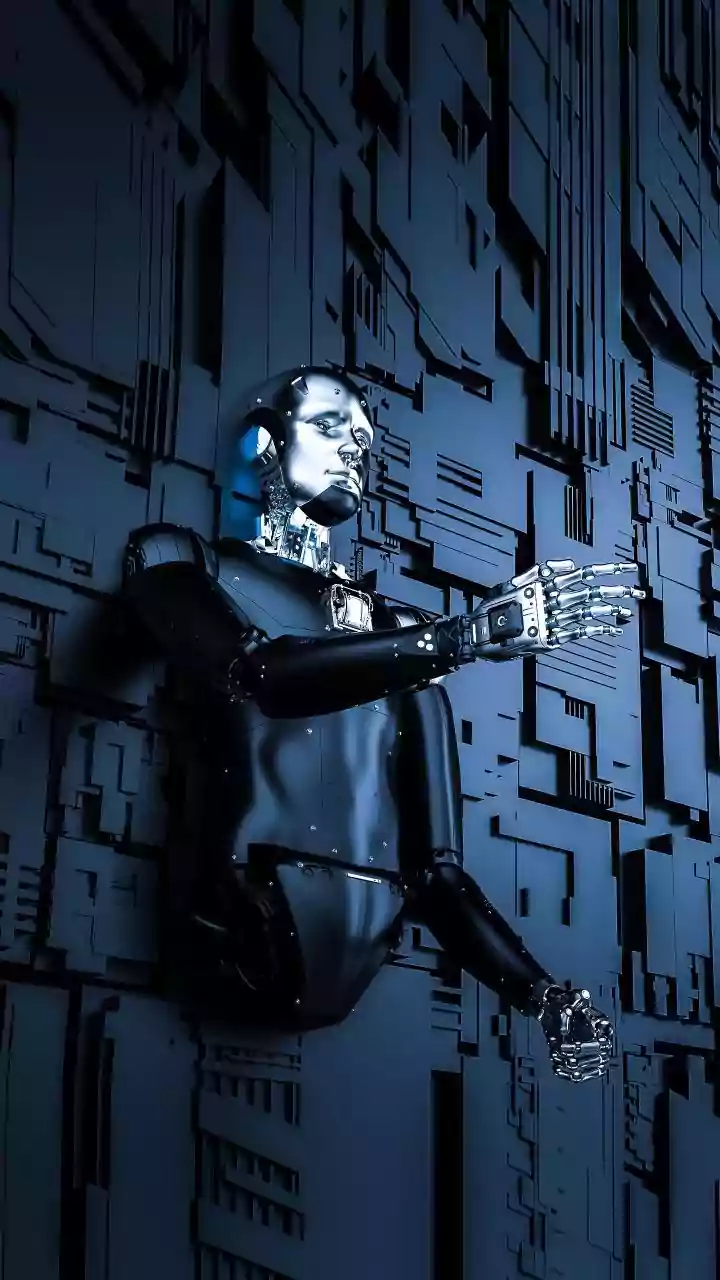
Decades ago, researchers noted a strange paradox: tasks that are hard for humans (like calculus or chess) are relatively easy for AI, while tasks that are easy for humans (like walking or recognizing a face) are incredibly hard for AI. This is known as Moravec's Paradox. Our ability to perceive the world and move within it is the result of millions of years of evolution. While robotics has advanced, giving a machine the fluid dexterity of a human to navigate a cluttered room or fold laundry remains an enormous computational challenge. Our intelligence is not just in our brains; it's connected to our physical interaction with the world, a link that AI currently lacks.