




From Cappuccino to Kombucha
The Indian cafe, traditionally a kingdom ruled by cappuccino, masala chai, and filter coffee, is seeing a vibrant new court of wellness beverages vying for the throne. Patrons, especially Gen Z and millennials, are increasingly ordering drinks that do more
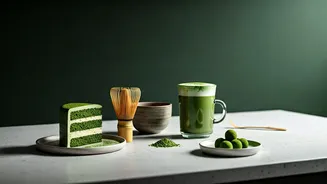
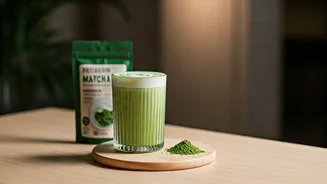
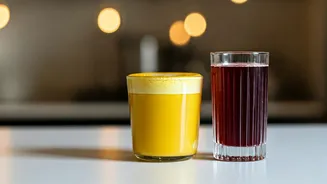
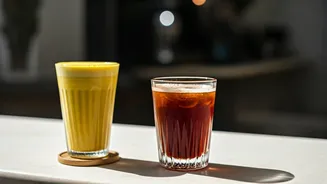
than just caffeinate. [6, 7] They're sipping on golden lattes (a stylish update on traditional 'haldi doodh'), matcha, and a variety of fermented kombuchas. [16] This isn't about replacing the old guard entirely, but expanding the definition of what a cafe beverage can be. It's a shift from a simple pick-me-up to a mindful moment of self-care, where every sip is expected to contribute to overall well-being. [18, 19] The India kombucha market alone, valued at over $100 million in 2024, is projected to grow significantly, reflecting this broader trend. [20, 21]
The Post-Pandemic Health Halo
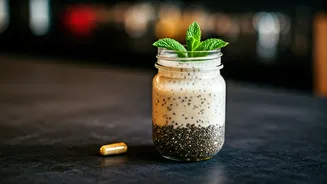
This beverage revolution didn't happen overnight, but it was certainly accelerated by a global event that put health front and centre. The post-pandemic era has seen a surge in consumer awareness about preventive healthcare, immunity, and gut health. [3, 22] This heightened consciousness is directly influencing cafe menus. Consumers are now actively seeking out functional ingredients and clean-label products. [19] Drinks infused with Ayurvedic herbs like ashwagandha and brahmi, or packed with probiotics, are gaining traction. [4, 16] Cafe owners are responding to this demand, recognizing that a health-conscious menu is no longer a niche offering but a key business driver. Functional beverages offer strong profit margins and attract a younger, health-aware demographic that may be drinking less alcohol. [18]
A Lifestyle Statement in a Mug
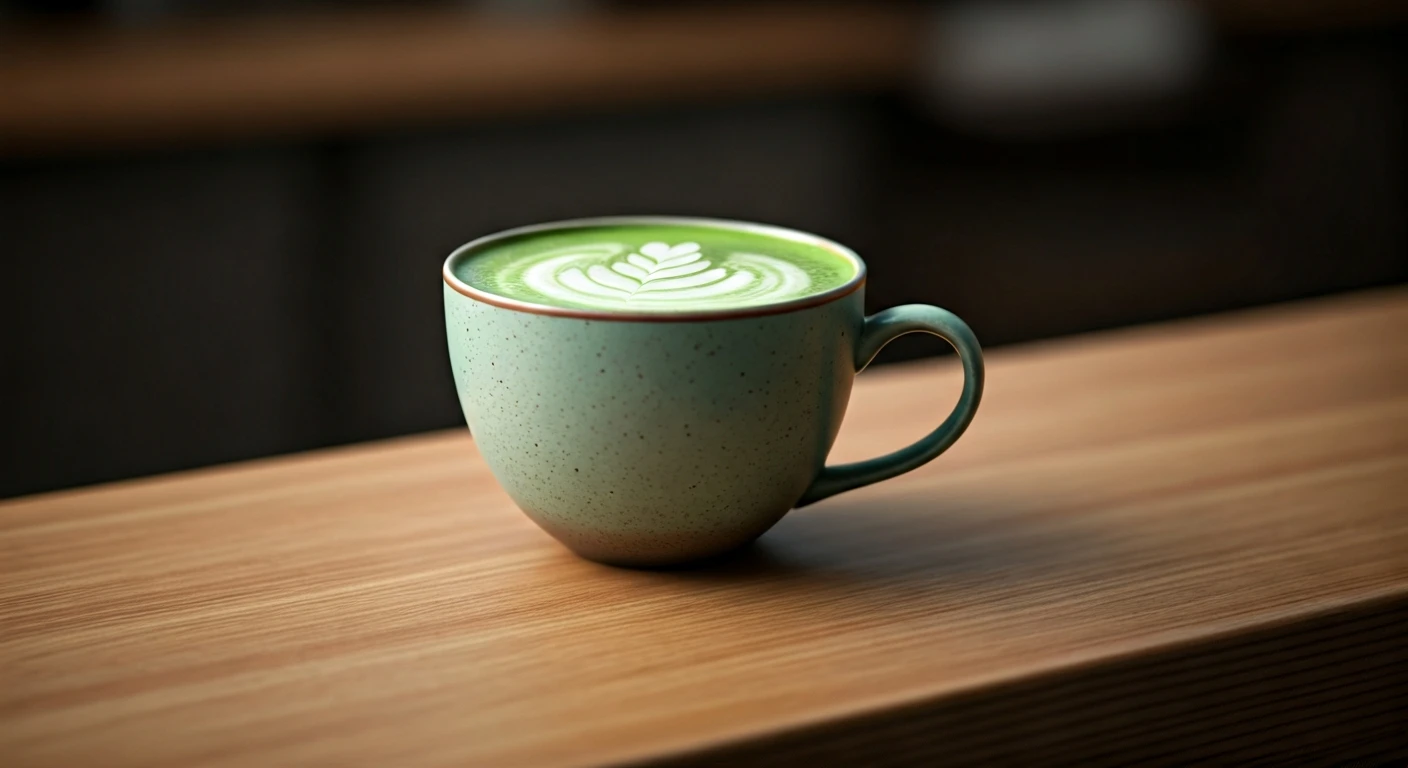
For many younger Indians, the choice of beverage is an extension of their identity. [6] It's less about habit and more about a lifestyle statement. [6, 7] In the age of social media, an aesthetically pleasing, vibrant green matcha latte or a colourful fruit-infused coffee is a form of self-expression—a 'soft flex' that signals a commitment to wellness and modern tastes. [16] Cafes have become the new creative hubs and second homes for this generation, and the drinks served are part of the experience. [7] This has led to a wave of innovation, with traditional staples being reimagined for a new audience. The classic South Indian filter coffee is being presented in new, Instagram-ready ways, and even masala chai is being deconstructed and reinvented. [16]
The Business of Brewing Wellness
This shift is not without its challenges. Sourcing unique ingredients, ensuring consistency, and educating a diverse customer base requires investment and effort. [9] Moreover, while urban metros like Mumbai, Delhi, and Bengaluru are at the forefront of this trend, there are challenges like low mass awareness and high product pricing that can slow its spread to smaller cities. [3, 24] However, the opportunity is immense. India’s functional drinks market was estimated at USD 3.79 billion in 2024 and is projected to grow substantially. [9] Brands are quietly integrating wellness into their offerings, often focusing on comfort and taste rather than making overt health claims, which can be limited by regulations. [9, 11] The consensus is that by 2026, wellness-aligned beverages will become even more mainstream in urban India, provided they feel like a natural part of the cafe experience rather than a medicinal supplement. [11]