



The Gentle Art of Cold Brewing
Unlike traditional iced tea, which is brewed hot and then cooled, cold brew is a much more patient process. Tea leaves are steeped in cold or room-temperature water for an extended period, typically between 8 to 12 hours. This slow, gentle extraction
fundamentally changes the resulting drink. The cold water pulls fewer tannins and less caffeine from the leaves. Tannins are the compounds responsible for the bitter, astringent bite sometimes found in strongly brewed black teas. By leaving most of them behind, the cold brew method yields a beverage that is exceptionally smooth, naturally sweeter, and less acidic, making it easier on the stomach.
Discovering the Pride of the Blue Mountains
While Assam and Darjeeling often take the spotlight, India's third major tea region, the Nilgiris or 'Blue Mountains' of Southern India, produces some of the world's most aromatic teas. Grown at high altitudes and harvested year-round, Nilgiri tea is known for being fragrant, light-bodied, and brisk, with a clean, crisp finish. Its flavour profile is often described as floral and subtly fruity, sitting comfortably between the malty boldness of Assam and the complex fruitiness of Darjeeling. This well-rounded and mellow character makes it delightful to drink on its own, without needing milk or sugar to temper any harshness.
A Perfect Match for Cold Extraction
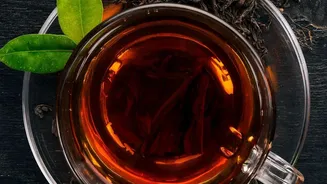
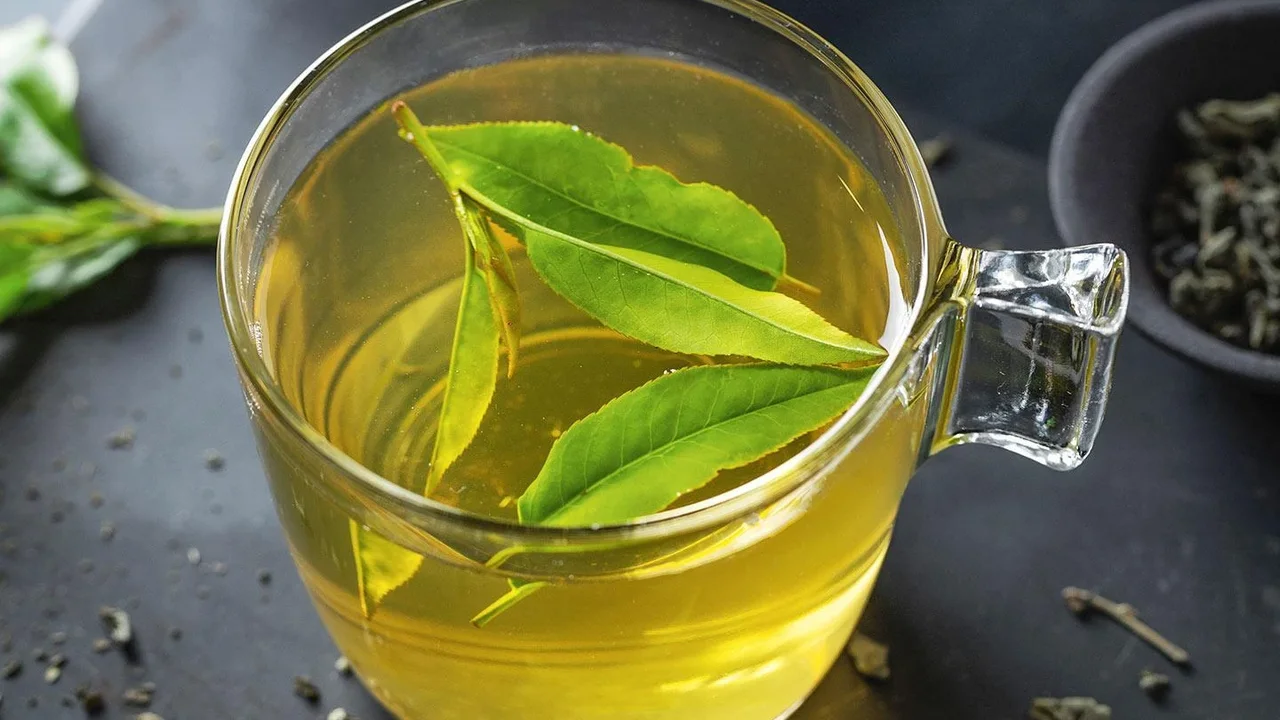
The specific characteristics of Nilgiri tea make it uniquely suited for cold brewing. Its naturally low tannin content is a key advantage, ensuring the final drink remains smooth and free of bitterness even after a long steep. Furthermore, unlike many other black teas that can become cloudy or hazy when chilled, Nilgiri tea retains a brilliant clarity, creating a visually appealing golden brew. The cold extraction process beautifully highlights its delicate floral and citrus notes, which might be overshadowed by bolder compounds in a hot brew. The result is a drink that is not just refreshing but also showcases the nuanced, high-quality character of the leaf itself.
The Natural, Low-Sugar Choice
For the growing number of health-conscious consumers in India, cold-brewed Nilgiri tea is a compelling option. The shift away from sugary soft drinks towards natural and functional beverages is a significant trend. Because the cold brew process yields a naturally sweeter and less bitter tea, there is no need to add sugar, honey, or other sweeteners to make it palatable. You get to enjoy the full flavour of the tea in its purest form. It's an inherently low-calorie and sugar-free refresher. Moreover, while hot brewing is effective, some studies suggest that cold brewing may preserve a higher concentration of certain antioxidants found in the tea leaves.
How to Enjoy the Trend at Home
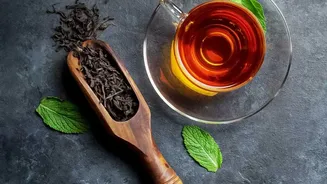
Making your own cold-brewed Nilgiri tea is surprisingly simple. All you need is a large jar or pitcher, loose-leaf Nilgiri tea, and cold water. A good starting ratio is about five to six heaped teaspoons of tea for every litre of water, though you can adjust this to your taste. Simply combine the tea and water in your container, stir or swirl, and leave it to steep in the refrigerator for 8 to 12 hours. Afterwards, strain the leaves and your cold brew is ready to drink. It serves as a perfect base for creative additions like slices of lemon or orange, or sprigs of fresh mint to enhance its natural aromatics.