




The Promise of a Seamless Journey
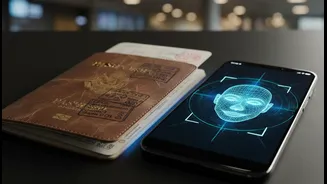
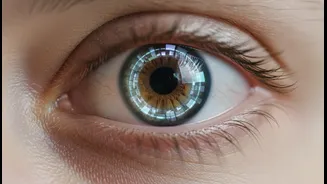
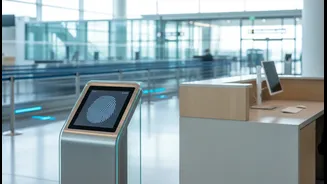
Airports across India and the world are rapidly rolling out biometric technology. Systems like DigiYatra promise a future where your face is your boarding pass. The goal is to eliminate queues, reduce paper, and create a frictionless experience from the terminal
entrance to the aircraft door. In theory, it’s a win-win: airports get more efficiency, and passengers get to their gates faster. This technological leap aims to streamline the chaotic and often stressful process of air travel, replacing manual document checks with a simple, quick facial scan. For the tech-savvy traveller, it feels like a glimpse into a seamless, automated future where the hassles of finding documents and waiting in line are a thing of the past.
When the Algorithm Says No
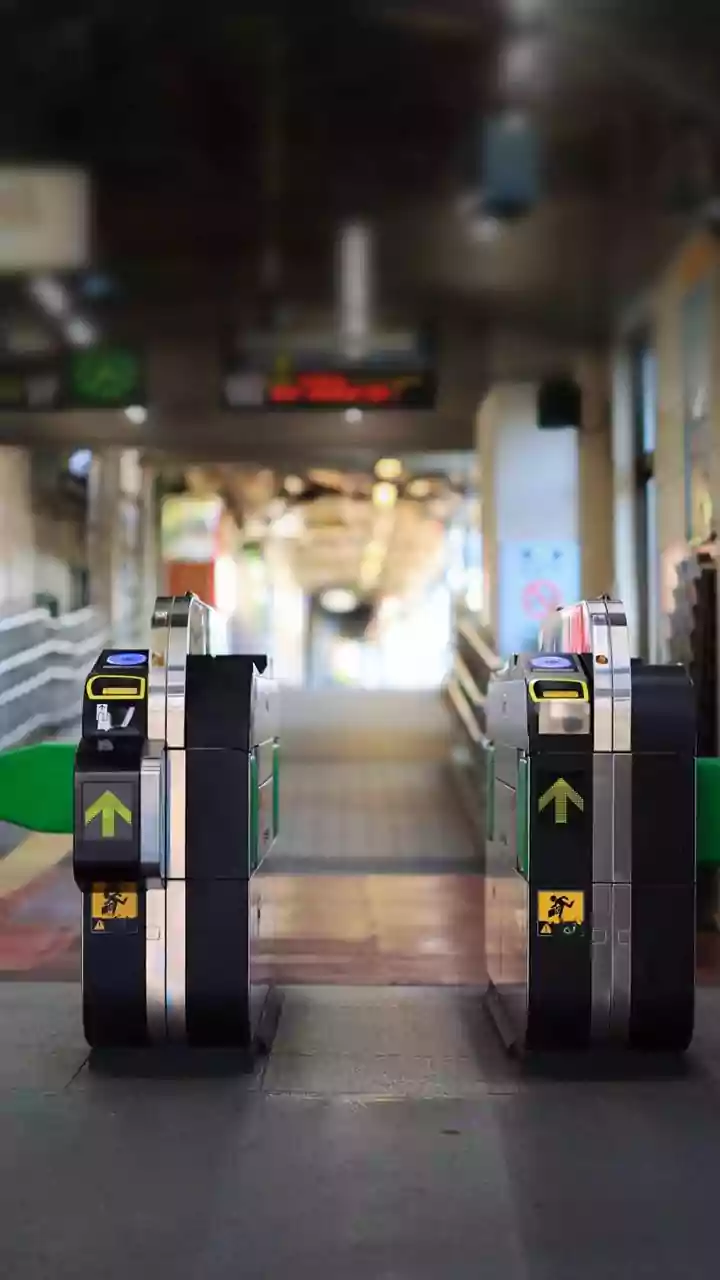
The problem is, technology is never flawless. A recent system glitch at Kolkata airport, for instance, led to chaos and long queues as the automated gates stopped working. Even without a total system failure, individual errors are common. A facial recognition system might have a 99% success rate, but for a major airport processing tens of thousands of passengers daily, that 1% failure rate means hundreds of travellers are left stranded at the gate. The reasons can be mundane: poor lighting, a new pair of glasses, a different hairstyle, or even just an exhausted expression after a long-haul flight. When the machine says 'no,' the promised seamless journey grinds to a halt, turning a moment of convenience into one of intense frustration, with no immediate recourse.
The High Cost of Exclusion
A tech-first approach risks creating a two-tiered system. On one side are the passengers who fit the digital model perfectly. On the other are those who don't. This includes elderly travellers who may be uncomfortable with the technology, people with disabilities whose needs are not accommodated by the hardware, or families with young children. Beyond simple usability, there are also significant privacy concerns, with many passengers worried about how their biometric data is being collected, used, and stored. In some cases, passengers have reported being enrolled into programs like DigiYatra without explicit consent, eroding trust. An efficient system for most people cannot be considered a success if it achieves that efficiency by marginalising or ignoring the needs of a significant minority. Speed for some should not come at the cost of access for all.
The Human Feature, Not the Bug
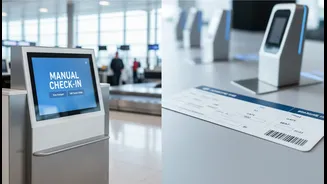
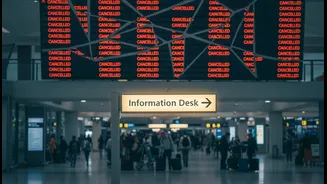
This is why human-staffed help desks are not a backup plan for when technology fails; they are a necessary feature of a well-designed, resilient system. While an algorithm can process data, it cannot show empathy, understand nuance, or creatively solve a problem it wasn't programmed to anticipate. A human agent can quickly assess a situation, manually verify an identity, calm a panicked passenger who fears they will miss their flight, and provide reassurance. In the travel and hospitality industry, customer service is not just about efficiency but also about making people feel secure and cared for. The future of travel customer experience is a hybrid one, where automation handles the routine tasks, freeing up human staff to manage exceptions and provide high-quality, empathetic support where it's needed most.
Designing a Smarter Airport
The solution isn't to abandon biometric technology but to implement it more intelligently. Instead of having automated gates located far from any staff, airports should co-locate them with clearly marked, well-staffed help desks. Airport personnel should be trained not just in security procedures, but as tech-support and customer service specialists who can troubleshoot common biometric issues and assist passengers who opt out or are unable to use the system. The goal should be to combine the speed of automation with the flexibility and problem-solving skills of human interaction. This hybrid approach ensures that the system works for everyone, not just the majority, and that no passenger is left behind because their face didn't fit the algorithm.