








The Price of Pre-Flight Nerves
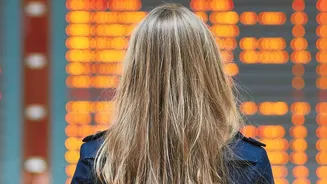
The feeling of stress associated with air travel is so powerful that it deters people from booking trips altogether. SITA's 2026 Passenger IT Insights report, which surveyed nearly 8,000 travellers across 24 countries, found that a staggering 42% of passengers
have decided against a journey because they expected it to be too stressful. This figure is even more pronounced among younger and more frequent travellers. More than half of those under 30, and six in ten frequent flyers, have abandoned a potential trip due to anticipated stress. The primary causes of this anxiety are not fears of flying itself, but operational headaches: delays and cancellations, long queues, and worries about baggage handling. In essence, the uncertainty of the airport experience is costing the industry bookings before a ticket is even purchased.
Anxiety's Ripple Effect on Airport Spending
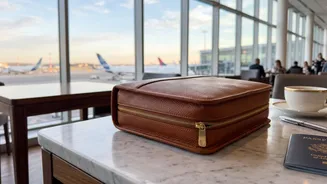
The financial impact of passenger stress extends beyond lost ticket sales. It also affects the commercial ecosystem within the airport itself. The period between clearing security and boarding, known as 'dwell time', is a crucial window for airports to generate revenue from shops, restaurants, and lounges. However, this is precisely when passenger anxiety has grown the fastest. According to the SITA report, a third of passengers now feel anxious during this time, a figure that has tripled since 2023. When passengers are stressed, they are less likely to relax and spend money. The research shows that 37% of travellers would be encouraged to spend more in airport retail and dining if their journey were less stressful. For frequent flyers, this number rises to 45%. As SITA CEO David Lavorel puts it, 'Every trip we win back is a seat filled, a parking space sold and a coffee bought'.
The Uncertainty Principle
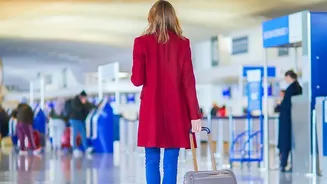
At its core, airport anxiety is a product of uncertainty. Passengers' biggest frustrations stem from not knowing what will happen next. Will my flight be delayed? How long is the security queue? Where is my bag? These questions create a state of high alert that erodes the travel experience. The stages of the journey with the most unknowns are a major source of negative emotions. Border control, for instance, was cited as the stage with the highest share of negative feelings for 37% of travellers. In contrast, check-in and boarding—where passengers often have clear information on their phones—are the calmest parts of the journey. This highlights a critical insight: visibility is the antidote to anxiety. When travellers are kept informed, their stress levels decrease, and their sense of control increases.
Technology: The Double-Edged Sword
While poorly managed technology can be a source of frustration, passengers overwhelmingly believe it is the key to a less stressful journey. Eight out of ten travellers think technology can reduce the stress of air travel. The demand is clear for tools that provide real-time information and streamline processes. Examples include mobile phone alerts for flight changes, live information on security wait times displayed on screens, and AI systems that monitor a passenger's journey and provide proactive updates. The data shows this works in practice. In the UAE, where 77% of passengers used technology at border control, only 13% reported negative emotions, compared to 37% globally. Passengers are ready to embrace innovations like real-time bag tracking and digital credentials, which can significantly reduce friction points.
Reclaiming Calm at the Airport
For the individual traveller, mitigating airport anxiety involves a combination of mindset and leveraging the right tools. The research suggests that proactive information is key. Before heading to the airport, check for real-time updates on your flight status and security wait times if available. Using airline and airport apps can consolidate crucial information, from boarding passes to gate changes, onto your phone—the device passengers already use to feel in control. For airports and airlines, the message is that investing in seamless, data-sharing technology is a commercial imperative. By giving passengers clear, timely information about everything from queue lengths to their bag's location, the industry can reduce stress, win back lost bookings, and encourage passengers to relax and enjoy the journey.