






Choose Your Veggies Wisely
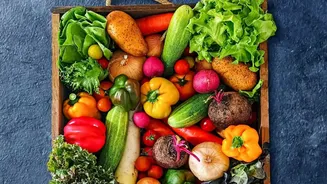
Not all vegetables are created equal when it comes to prepping. For a full week of freshness, focus on hardy produce. Root vegetables like carrots, beets, and radishes are excellent choices. Cruciferous veggies such as broccoli and cauliflower also hold
up well after being chopped. Bell peppers and onions are staples that can be sliced or diced in advance. In an Indian kitchen, hearty gourds, cabbage, and French beans are also great candidates. Softer vegetables like tomatoes, spinach, and mushrooms are best prepped only a day or two before you plan to use them to avoid them becoming slimy or wilted.
The Wash and Dry Rule
The number one enemy of prepped vegetables is excess moisture, which accelerates spoilage and encourages bacterial growth. Always wash your vegetables thoroughly before you start chopping. Afterwards, drying them completely is a critical step. For leafy greens, a salad spinner is an invaluable tool. For other vegetables, pat them down thoroughly with a clean kitchen towel or paper towels. Ensuring your produce is as dry as possible before it goes into storage will significantly extend its life in the fridge.
Master Smart Storage
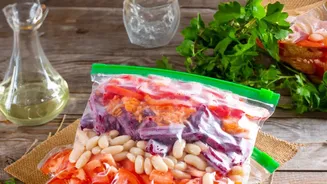
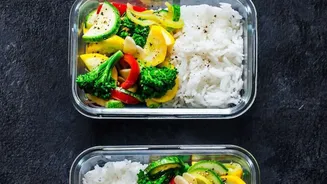
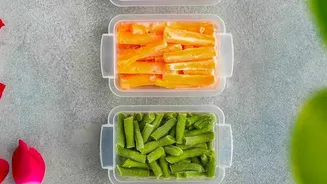
How you store your chopped veggies is just as important as how you prep them. Airtight containers are your best friends. They lock in freshness and prevent your veggies from absorbing other odours in the fridge. For items like bell peppers, celery, and carrots, lining the container with a dry paper towel can absorb any extra moisture and keep them crisp. For carrots and celery sticks intended for snacking, storing them submerged in a container of water will keep them crunchy, though you'll need to change the water every couple of days. And remember to label your containers with the date so you know what to use first.
Prep Your Aromatics
So much of Indian cooking starts with a base of aromatics. You can save precious minutes on busy weeknights by prepping these ahead of time. Peel a large batch of garlic cloves and ginger. You can store them whole in an airtight container or go a step further and make a fresh ginger-garlic paste. Store it in a clean, airtight glass jar in the fridge. Similarly, you can chop onions and store them in a sealed container; just be aware that they will release a strong odour. Having these basics ready to go makes starting any 'sabji' or curry a breeze.
Uniform Cuts for Even Cooking
When you're chopping, try to keep the pieces relatively uniform in size. This isn't just for aesthetics; it ensures that your vegetables cook evenly when you finally toss them in a pan. Think about the meals you'll make. Dice carrots, beans, and potatoes for a quick stir-fry or 'sabji'. Slice onions and bell peppers for wraps or homemade noodles. Keeping your prep organized by the type of cut can streamline your cooking process even further. Using sharp knives will also help you make clean cuts without bruising the vegetables, which helps them stay fresh longer.
Tackle Browning in Potatoes and Eggplant
Some vegetables, like potatoes and eggplants, are notorious for browning almost immediately after being cut due to oxidation. An easy way to combat this is to submerge the cut pieces in a bowl of cold water. You can add a little bit of salt or a squeeze of lemon juice to the water for extra protection against browning. While you shouldn't store them in water for the entire week, this is an excellent trick to use while you're in the middle of your prep session to keep everything looking fresh before it's packed away.