

From Pantry Staple to Premium Product
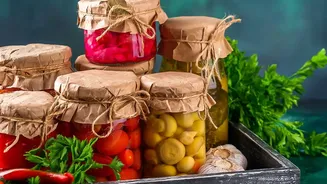
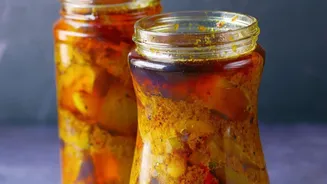
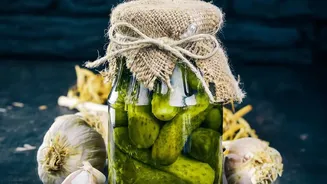
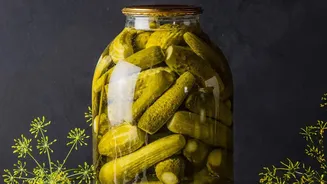
The familiar jar of homemade achar, sun-cured on a terrace, has long been a fixture of Indian culinary life. It was a method of preservation born from necessity, ensuring no seasonal surplus went to waste. Today, that tradition is being reimagined. A
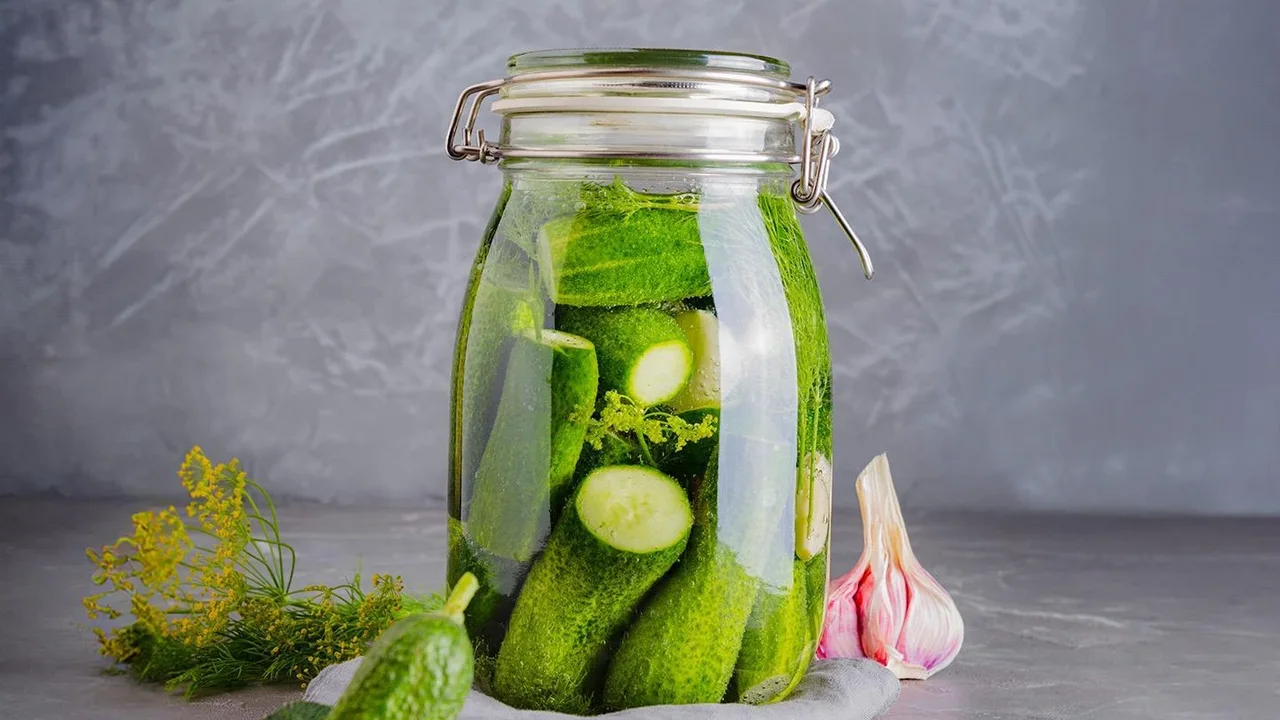
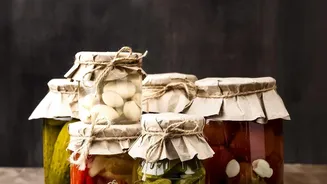
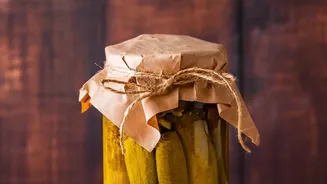
new wave of food entrepreneurs is transforming the humble pickle into a premium product. This isn't your average mango or lime pickle; the language itself has shifted. What was once simply 'ghar ka achar' is now marketed as 'small-batch', 'single-origin', and 'artisanal'. This gourmet treatment involves high-quality ingredients like cold-pressed oils, natural sweeteners like jaggery, and a strict no-preservatives policy, all housed in minimalist glass jars with elegant labels. This rebranding reflects a broader shift in consumer preferences towards health, wellness, and authenticity.
The Artisans Reviving Forgotten Flavours
Behind this trend are passionate founders and chefs dedicated to celebrating India's vast culinary heritage. Brands like 'JhaJi Store' from Bihar and 'The Little Farm Co.' are bringing regional specialities to a national audience. For instance, JhaJi focuses on authentic recipes from Mithilanchal, while The Little Farm Co. prides itself on using organically grown vegetables and traditional family recipes. Other brands, such as 'Pickle Shickle', are innovating with unique offerings like pork, prawn, and even mushroom pickles, inspired by family heritage that includes Burmese influences. These producers are not just selling a product; they are telling a story about their region's identity, climate, and culture, one jar at a time. Many also focus on empowering local communities, such as women farmers, creating a sustainable business model that preserves both recipes and livelihoods.
A Taste of India's Diversity
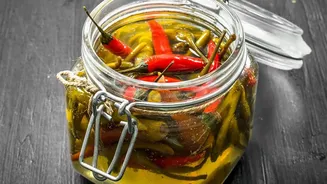
The gourmet pickle movement is reintroducing food lovers to an incredible diversity of flavours that go far beyond the supermarket staples. Each region of India has its own signature pickles, shaped by local produce and climate. From the sweet and mild mango pickles of Gujarat, which often include jaggery, to the famously fiery 'Avakaya' mango pickle from Andhra Pradesh, made with a generous amount of mustard powder and sesame oil, the variations are endless. Consumers can now explore the pungent garlic and chili pickles of Punjab, the tangy 'Gongura' (sorrel leaf) pickle from Andhra Pradesh, or even rare delicacies like the 'Mahaali' pickle from Tamil Nadu, made from a tuber and preserved in yogurt. This rediscovery allows people to experience the authentic tastes of different Indian states without leaving their city.
More Than Just a Side Dish
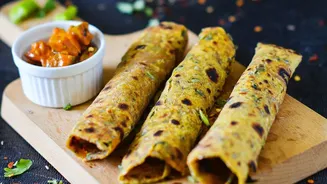
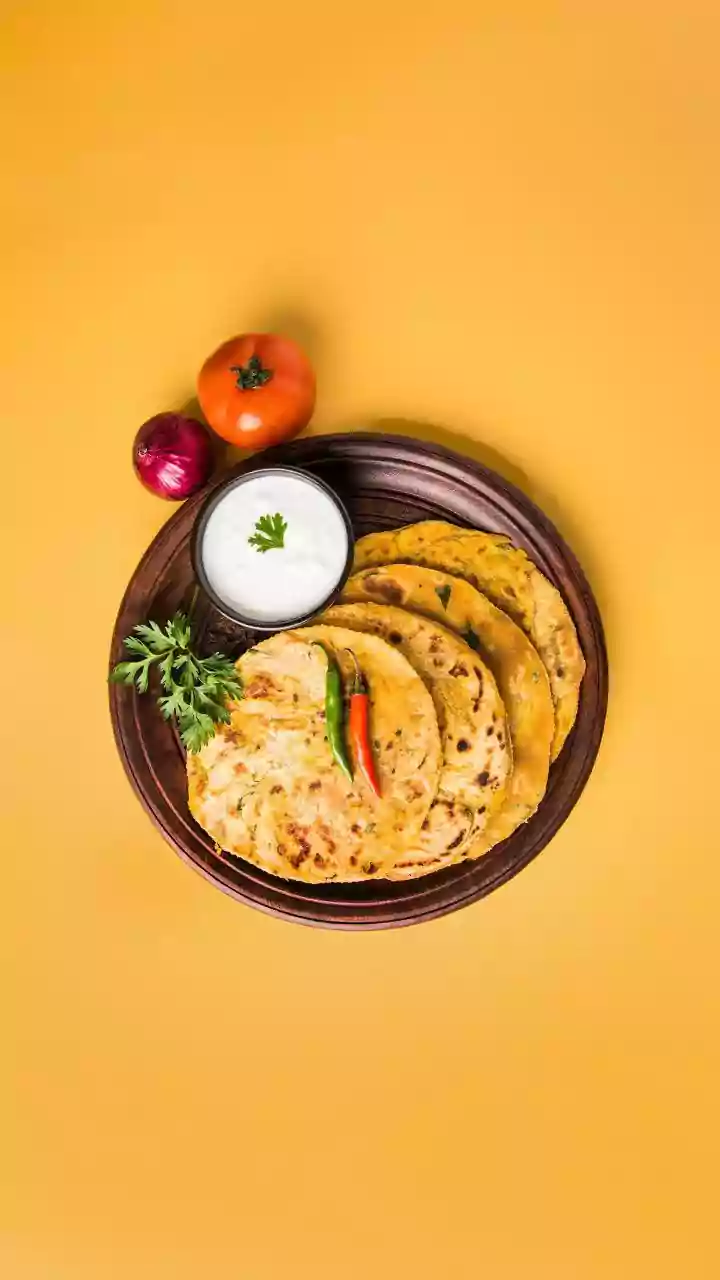
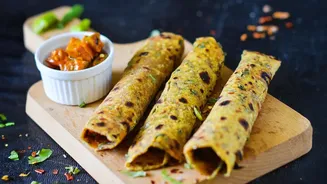
The role of achar is also evolving. While traditionally a trusty companion to dal-rice or parathas, these new gourmet pickles are being used in more creative ways. Top chefs are incorporating them into modern cuisine, using pickle oils to finish grilled meats or adding a spoonful of fermented chilli paste to sauces. Pickle brine is even making its way into mixology, creating savoury cocktails with a spicy, sour kick. At home, food enthusiasts are using these versatile condiments to create 'achaari' marinades for chicken or paneer tikka, stirring them into raitas and pulaos, or even spreading them in sandwiches. This expanded use elevates the pickle from a simple condiment to a complex flavouring agent, justifying its place in the gourmet pantry.