



The Rise of the Monsoon Retreat
The idea of an off-season is rapidly becoming a thing of the past in Indian travel. Recent booking data indicates a significant year-on-year surge in monsoon travel, with travellers increasingly drawn to experiences over itineraries. Instead of avoiding
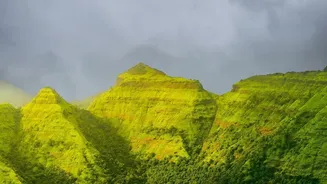
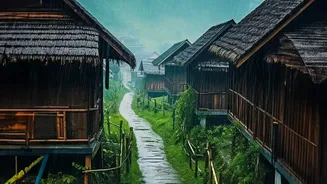
the rains, people are chasing them to destinations that come alive during this season. The appeal lies in lush, rain-washed landscapes, cooler temperatures, and fewer crowds. This shift has propelled hill stations to the forefront, with destinations across the Western Ghats and Eastern Ghats seeing a dramatic spike in interest. The goal is no longer just sightseeing; it's about disconnecting, recharging, and immersing oneself in nature—a true 'nature detox'.
Coorg: The Scotland of India
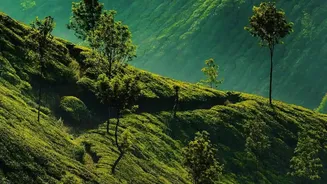
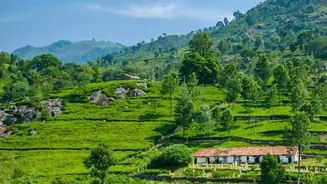
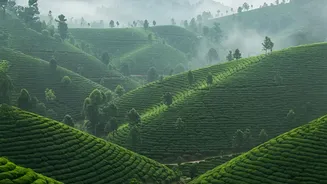
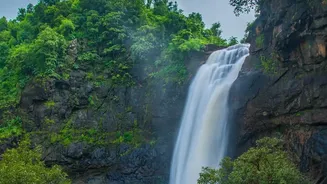
Coorg, or Kodagu, has long been a favourite monsoon destination, and its popularity continues to soar. During the rains, its famed coffee plantations become a sea of vibrant green, with the aroma of wet earth and fresh coffee hanging in the air. The waterfalls, which are modest streams in other seasons, transform into powerful, roaring cascades. Abbey Falls and Iruppu Falls are particularly spectacular, drawing visitors who come to witness their majestic monsoon form. The experience is about slow travel: sipping freshly brewed coffee on a porch while watching the mist roll across the valleys, taking guided walks through glistening plantations, and indulging in hearty, home-cooked Kodava cuisine. This immersive, atmospheric experience is why Coorg consistently features on monsoon wishlists.
Araku Valley: The Unspoiled Eastern Gem
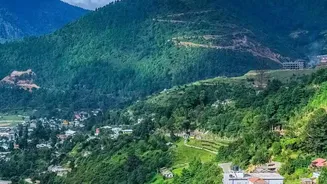
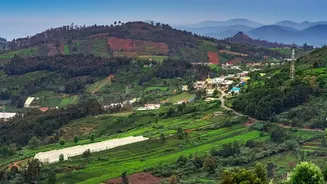
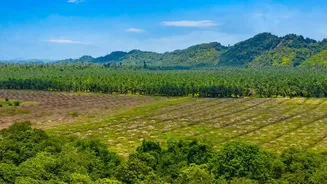
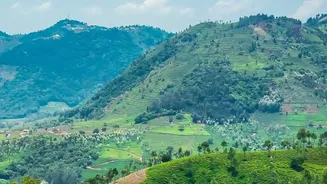
While Coorg is a well-established star, Araku Valley in Andhra Pradesh is its quieter, more offbeat cousin, rapidly gaining favour. Nestled in the Eastern Ghats, Araku offers a unique blend of natural beauty and rich tribal culture. The journey itself, often taken via a Vistadome train coach from Visakhapatnam, offers breathtaking views of misty mountains, green valleys, and numerous tunnels. During the monsoon, Araku’s waterfalls like Katiki and Chaparai are at their peak. The landscape is characterized by terraced rice paddies and vast coffee plantations. A visit to the million-year-old Borra Caves, with their stunning stalactite and stalagmite formations, is a key attraction that feels even more mystical in the damp, cool weather.
Homestays: The Heart of the Experience
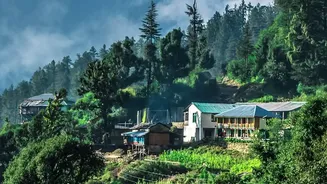
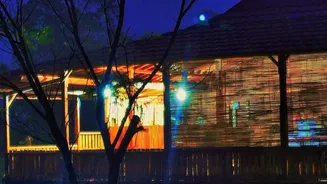
A crucial element of this trend is the preference for homestays over traditional hotels. In both Coorg and Araku, homestays offer an authentic and personal gateway to the region. Often located within sprawling coffee estates or offering panoramic valley views, these accommodations provide more than just a room. They offer a connection. Guests can enjoy home-cooked local meals, gain insights from their hosts about hidden trails and local folklore, and experience the culture firsthand. In Coorg, this could mean living with a Kodava family, while in Araku, it might involve proximity to tribal villages. This shift towards authentic, immersive lodging is central to the 'nature detox' appeal, providing a sense of warmth and belonging that a conventional resort cannot replicate.
Coorg or Araku: Which Detox is For You?
Choosing between Coorg and Araku depends on the kind of escape you seek. Coorg is more established, with a wider range of luxury and boutique homestays and a well-trodden tourist circuit. It's perfect for those seeking classic monsoon beauty, a vibrant food scene, and a slightly more social environment. Araku Valley, on the other hand, offers a more rugged, exploratory experience. It is less commercialized, appealing to travellers who want to discover a lesser-known region, engage with indigenous culture, and enjoy the solitude of the Eastern Ghats. If your ideal detox involves accessibility and classic charm, Coorg is your answer. If you crave solitude and a sense of discovery, Araku Valley awaits.