





Before You Go: Check, Check, and Check Again
Spontaneity is a travel virtue, but not during the Himachal monsoon. The first step to a safe trip is diligent research. The India Meteorological Department (IMD) has issued multiple yellow and orange alerts for heavy rainfall across districts like Kangra,
Mandi, Shimla, and Kullu through mid-July. These alerts are not to be taken lightly; they signal potential for landslides and flash floods. Before you even book, check the latest weather forecasts. The Himachal Pradesh State Disaster Management Authority (HPSDMA) and state police regularly post advisories and road status updates. It's also wise to build flexibility into your itinerary. Booking refundable hotels and keeping a few buffer days can save you from stress if roads are blocked.
Plan Your Route Wisely
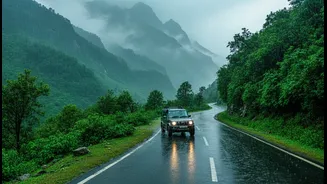
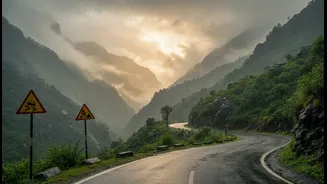
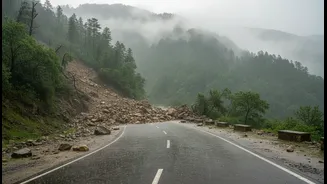
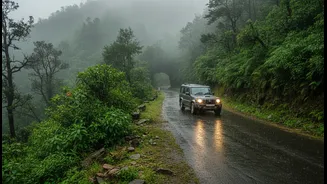
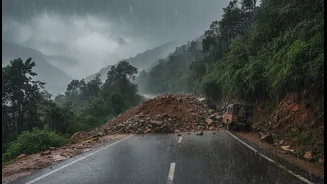
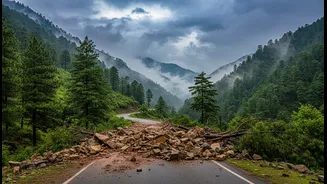
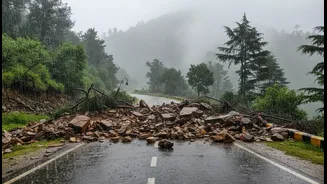
Not all routes are created equal, especially when saturated with rain. Major arteries like National Highway 5 (Shimla-Kinnaur) and National Highway 3 (Mandi-Kullu) are known to be vulnerable to landslides and disruptions. Recent reports from early July 2026 show that dozens of roads, including major highways, were blocked due to debris and flash floods. While authorities work quickly to clear them, closures can last for hours or even days. Consider planning your trip around more stable areas like Shimla or Dharamshala, which are generally more accessible. If you're determined to go to more remote areas, consult local taxi drivers and hotel owners about the safest approach roads. Critically, avoid driving at night. Reduced visibility and the higher risk of sudden landslides make it extremely dangerous.
Your Vehicle and Driver Matter
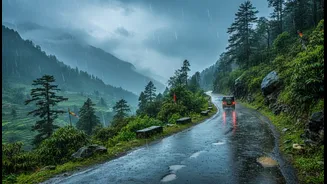
Whether you are self-driving or hiring a cab, the condition of your vehicle is paramount. Ensure the tyres, brakes, and wipers are in excellent condition. If you are hiring a local driver, you are also hiring their expertise. Experienced local drivers have a wealth of real-time knowledge about which roads are safe and which are not. They are often in communication with other drivers and can navigate situations far better than a tourist. The Himachal Police have also issued warnings about parking, advising motorists to avoid leaving vehicles near weak trees, which can easily fall during heavy rains and winds.
A Monsoon-Specific Packing List
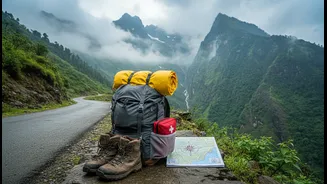
Your packing list for a monsoon trip needs to prioritise function over fashion. A sturdy raincoat or poncho is far more effective than an umbrella, which is often useless against strong hillside winds. Sturdy, non-slip footwear is non-negotiable. Pack quick-drying clothes and use waterproof bags or even simple zip-lock bags to keep your electronics and clothing dry. Beyond clothing, an emergency kit is essential. This should include a powerful torch, a fully charged power bank, a basic first-aid kit with essential medicines, and some dry, high-energy snacks like protein bars and nuts in case you get stranded.
On-the-Ground Intelligence
Once you're in Himachal, stay vigilant. Make it a habit to check the weather forecast every morning. The HPSDMA has made its State Disaster Helpline (1070) and District Disaster Helplines (1077) operational 24/7. Save these numbers on your phone. Also, keep local administrative and police numbers handy. Most importantly, listen to local advice. Your hotel manager or cab driver knows the area's temperament during the monsoon. Stay away from rivers and streams, as water levels can rise in seconds without warning. A calm stream you see in the morning can become a raging torrent by the afternoon. Do not attempt to cross flooded areas or stand on riverbanks for photos.