




The End of the ‘Cardio Queen’ Era
For decades, the fitness narrative for women was dominated by one goal: burning calories. The path to achieving this was long, steady-state cardio. Hours on the elliptical, treadmill, or cycle were seen as the primary tools for weight loss and achieving a slender
physique. This approach was built on a simple, yet incomplete, idea that more sweat and more time equaled better results. However, many women found themselves hitting frustrating plateaus, feeling fatigued, or not achieving the 'toned' look they desired, leading them to question if this was the only way.
Rethinking the Downsides of Excessive Cardio
While cardiovascular exercise is vital for heart health, the 'more is better' approach can backfire. Excessive, long-duration cardio can elevate cortisol, the body's primary stress hormone. Chronically high cortisol levels can lead to several undesirable effects, including stubborn abdominal fat storage, disrupted sleep, and even muscle breakdown. Furthermore, the body becomes highly efficient over time, meaning it burns fewer calories to perform the same workout, forcing you into ever-longer sessions for the same effect. This cycle can lead to burnout, hormonal imbalances, and a slower metabolism, the very things most women are trying to avoid.
The Science-Backed Power of Strength
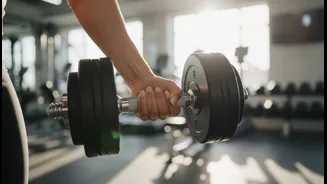
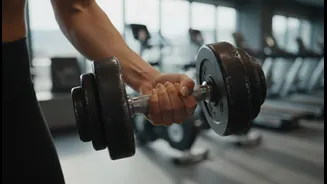
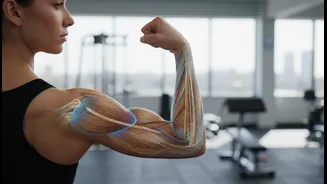
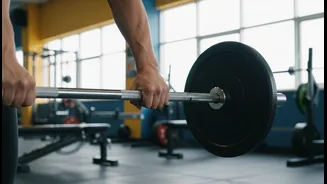
Enter resistance training. Its benefits extend far beyond building visible muscle. Lifting weights builds lean muscle mass, which is metabolically active tissue. Unlike cardio, where the calorie burn largely stops with the session, increased muscle mass raises your resting metabolic rate, meaning you burn more calories throughout the day, even at rest. Beyond metabolism, strength training is crucial for bone health, helping to increase bone density and reduce the risk of osteoporosis later in life—a significant concern for women. It also improves insulin sensitivity, joint stability, and posture.
A New Goal: From Skinny to Strong
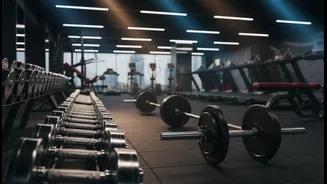
This fitness evolution is deeply connected to a cultural shift in beauty and health standards. The aspiration is no longer just to be thin, but to be strong, capable, and resilient. This mindset champions functional fitness—the ability to move through life with power and without pain. Lifting heavy weights has become a symbol of empowerment. The confidence gained from achieving a new personal best in the gym often translates into other areas of life. This redefinition of fitness from an aesthetic pursuit to a source of inner and outer strength is a key driver for why women are embracing the weights room.
How Social Media Changed the Game
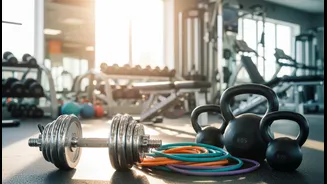
Social media has played a huge role in demystifying strength training. Fitness influencers and communities on platforms like Instagram and YouTube have made weightlifting accessible and aspirational for millions of women. They provide visual guides, debunk myths (like the fear of becoming 'bulky'), and create a supportive environment where progress is celebrated. Seeing other women embrace their strength and transform their bodies has provided a powerful and relatable roadmap, encouraging many to pick up their first dumbbell and start their own journey. This has helped break down the intimidation factor that once kept many women away from the weights section.