




Why Fibre is a Game-Changer for Health
Dietary fibre is the part of plant-based foods that your body can't digest or absorb. Instead, it plays a crucial role in maintaining good health. There are two types: soluble fibre, which dissolves in water to form a gel-like substance, and insoluble
fibre, which adds bulk to stool. Soluble fibre, found in oats, beans, and apples, helps lower cholesterol and regulate blood sugar. Insoluble fibre, present in whole grains and vegetables, aids digestion and prevents constipation. Together, they contribute to feeling full for longer, which can help with weight management. A high-fibre diet is also linked to a lower risk of chronic conditions like heart disease and diabetes.
The Fibre Gap in the Indian Diet
Despite a rich tradition of plant-based cooking, many people in India are not consuming enough fibre. The Indian Council of Medical Research (ICMR) recommends about 25-30 grams of fibre daily for an adult. However, studies show that the average intake, particularly in urban areas, is often only around 15 grams per day. This gap is largely due to an increased consumption of refined grains, processed foods, and a lower intake of fruits and vegetables. A recent survey highlighted that nearly 70% of Indians don't meet their daily fibre requirement, with women being more affected than men. Closing this gap is essential for improving digestive health and overall well-being.
Swap White Rice for Brown Rice or Millets
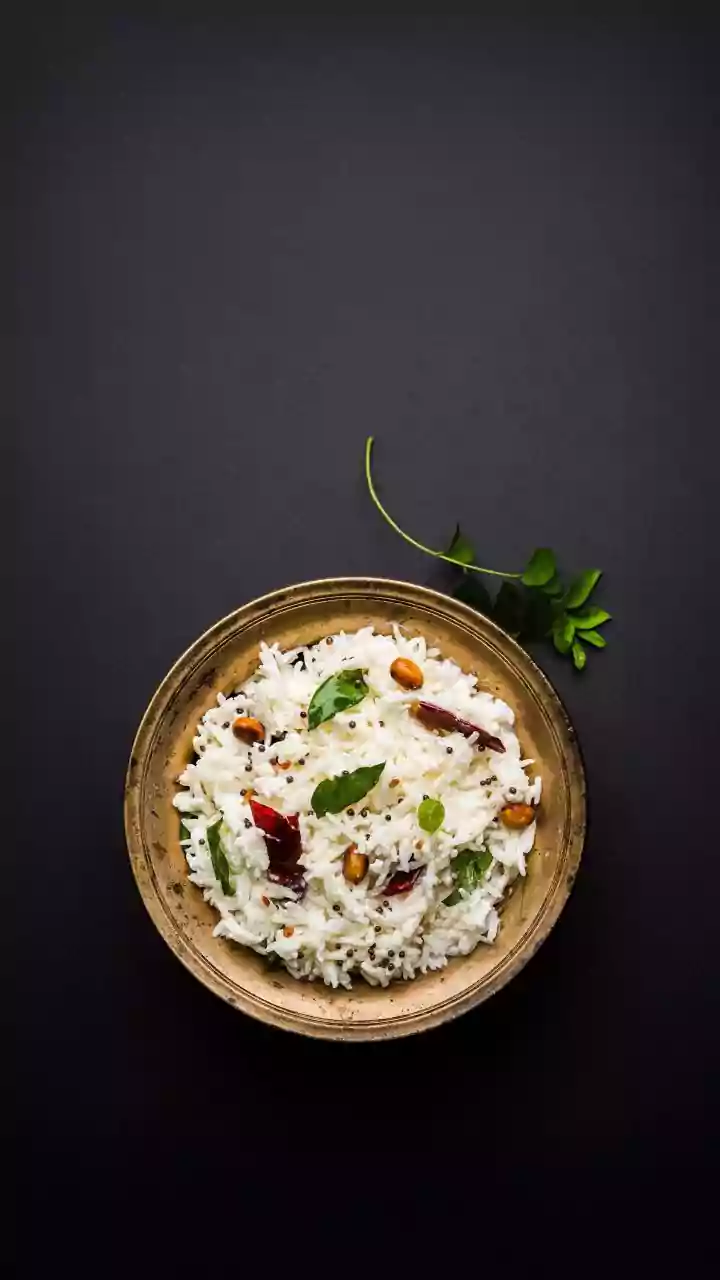
One of the simplest and most effective swaps is replacing polished white rice with whole-grain alternatives. A cup of cooked brown rice contains significantly more fibre than the same amount of white rice—around 3.5 grams compared to just 0.6 grams. This is because brown rice retains its outer bran layer, where most of the fibre is located. Millets like jowar, bajra, and ragi are also excellent high-fibre choices that are staples in many Indian regions. You don't have to make the switch completely at once. Start by mixing white rice with brown rice or millets, gradually increasing the proportion as your palate adjusts.
Embrace Dals, Legumes, and Pulses
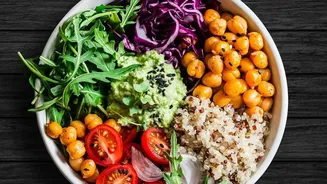
Lentils (dals), chickpeas (chana), and kidney beans (rajma) are fibre powerhouses and an integral part of Indian cuisine. Including a generous portion of dal or a legume-based curry in at least one meal daily can significantly boost your fibre intake. A single cup of cooked lentils can provide over 16 grams of fibre. Whole pulses generally contain more fibre than split and skinned versions, but both are beneficial. Try incorporating sprouts into salads, adding kala chana to chaats, or making mixed-dal cheelas for a nutritious breakfast.
Choose Whole Fruits Over Fruit Juice
While a glass of 100% fruit juice might seem healthy, it lacks the crucial dietary fibre found in whole fruits. The juicing process removes the pulp and skin, which are rich in fibre. This fibre slows down the absorption of sugar, helps you feel full, and supports gut health. Without it, the sugar in juice can cause a rapid spike in blood sugar levels. So, next time you crave something sweet and fruity, reach for a whole apple, guava, or a bowl of papaya. Guava is one of the most fibre-rich fruits commonly available.
Make Vegetables the Star of Your Plate
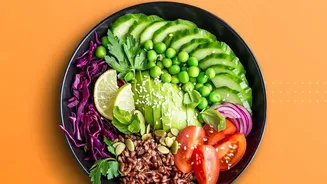
A simple rule of thumb is to fill half of your plate with vegetables at every main meal. Indian cuisine offers a vast array of fibre-rich vegetables like okra (bhindi), spinach, beans, and cauliflower. Don't just relegate them to a small side dish. Add extra vegetables to your dals, curries, poha, and upma. Eating a variety of vegetables ensures you get a mix of both soluble and insoluble fibres. A quick kachumber salad (chopped cucumber, tomato, and onion) is an easy way to add raw fibre to any meal.
Upgrade Your Snacks
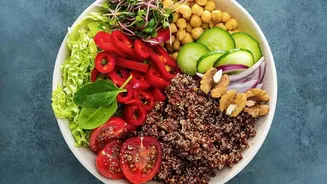
Snack time is another great opportunity to increase your fibre intake. Instead of reaching for packaged snacks made with refined flour, opt for whole-food alternatives. A handful of nuts like almonds or walnuts provides both fibre and healthy fats. Roasted chickpeas (chana) or fox nuts (makhana) are traditional Indian snacks that are high in fibre. Swapping chips for a bowl of fruit or a small serving of sprouts can make a significant difference in your daily fibre count.