




The Rise of the Culinary Pilgrim
Travel is no longer just about seeing the sights; it's about tasting them. A growing number of travellers, particularly those in the 28-40 age group, are planning entire trips around food. This isn't just about finding good restaurants; it's an immersive
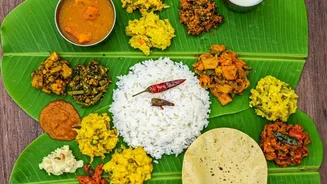
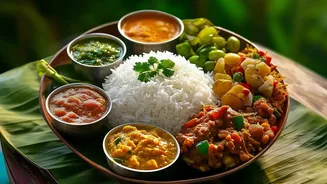
dive into local culture through its flavours. India, with its vast and varied gastronomic landscape, is perfectly positioned for this trend. In the south, Tamil Nadu is emerging as a standout destination. The state is not home to one single 'Tamil cuisine' but is a mosaic of distinct regional culinary traditions, each shaped by its unique geography and history. This diversity means a trip through the state can feel like a journey through several different countries, offering a fresh adventure with every meal.
Chettinad: Land of Fiery Feasts
Perhaps the most famous of Tamil Nadu's regional cuisines, Chettinad food comes from the Chettiar community, a group of successful traders. Their travels across Southeast Asia introduced a host of exotic spices like star anise and 'kalpasi' (stone flower) into their cooking, creating a flavour profile that is complex, aromatic, and famously spicy. Authentic Chettinad cuisine is defined by its freshly ground masalas, where the precise ratio of spices is a secret passed down through generations. A trip to the Chettinad region, centered around towns like Karaikudi, offers more than just a meal; it offers a taste of history. Travellers can experience a 'Raja Virundhu' (Feast of Kings) in majestic ancestral mansions and try iconic dishes like peppery chicken Chettinad, mutton sukka, and kuzhi paniyaram (savoury rice batter dumplings).
Kongunadu: The Subtle Art of Simplicity
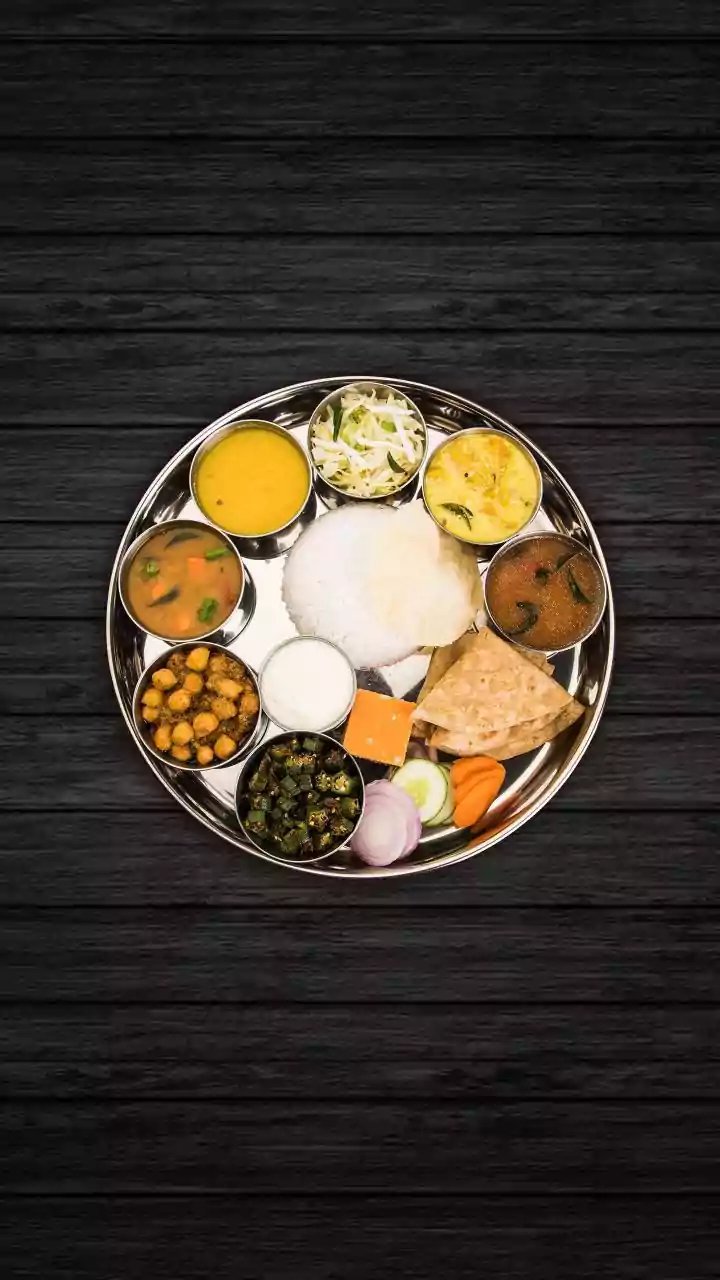
In stark contrast to the fiery flavours of Chettinad is the cuisine from Kongunadu, the western region of Tamil Nadu. Here, the food is celebrated for its subtlety and focus on fresh, local ingredients. With less emphasis on overpowering spice, Kongunadu cooking highlights the natural taste of its components, often using turmeric, shallots, and coconut in its preparations. The food is hearty and wholesome, reflecting the area's agrarian roots. Signature dishes include Kollu Rasam (a soup made from horse gram), Pallipalayam chicken (a rustic dry fry), and tender mutton biryani. This region's focus on farm-to-table freshness and unique, milder flavour profiles provides a completely different, yet equally compelling, culinary experience for food tourists.
Madurai and Nanjil Nadu: Cities and Coasts
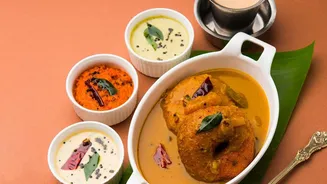
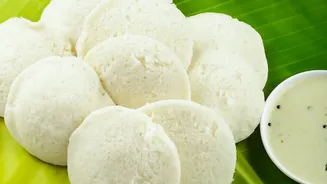
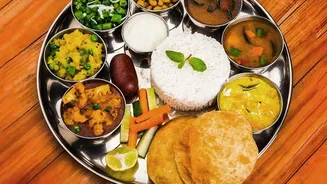
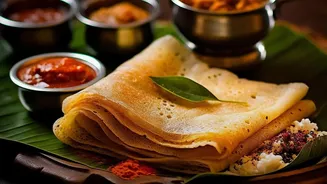
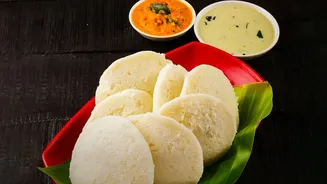
The diversity doesn't end there. The ancient temple city of Madurai offers a pilgrimage of a different kind—through its vibrant street food scene. From fluffy idlis and crispy dosas for breakfast to the famed minced meat-stuffed 'kari dosai' for dinner, the city is a 24/7 feast. No food tour is complete without trying Jigarthanda, a rich, cooling dessert drink that has become synonymous with the city. Further south lies Nanjil Nadu, the region around Kanyakumari. Its cuisine is a unique blend of Tamil and Keralite influences, with a heavy emphasis on seafood. Dishes here are often prepared with coconut and have a distinct tangy flavour, showcased perfectly in its famous fish curries. Exploring these areas reveals how even within one state, the food culture can change dramatically from one city to the next.
Inspiring a Southern Food Trail
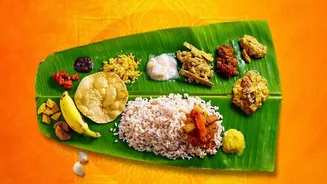
The success and appeal of Tamil Nadu's hyper-regional food scene are creating a ripple effect across southern India. Travellers, having experienced the depth of Chettinad or Kongunadu, are now seeking similar authentic experiences in neighbouring states. They are looking beyond the generic 'South Indian food' to discover the specific culinary identities of Kerala's Malabar coast, the rustic fare of Karnataka's Coorg region, and the royal dishes of Hyderabad. Tour operators are increasingly designing itineraries that are explicitly food-focused, guiding visitors through local markets, arranging cooking demonstrations, and facilitating meals in family homes. This trend not only provides travellers with a more profound connection to the places they visit but also supports local economies and helps preserve age-old culinary traditions.