
A Land of Rivers and Risks
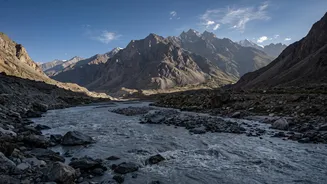
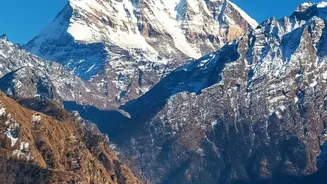
Nepal's geography is a double-edged sword. Its dramatic landscape, rising from the low-lying Terai plains to the world's highest peaks, creates a dense network of fast-flowing rivers. While these rivers are a lifeline for hydropower and agriculture, their
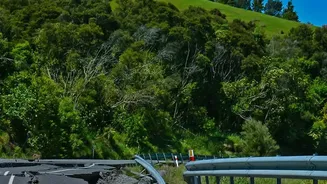
steep gradients make them prone to disaster. During the monsoon, torrential rains cause widespread flooding, but an even more insidious threat comes from the rivers themselves getting blocked. The fragile geology of the young Himalayan mountains makes them highly susceptible to landslides, which can dump millions of cubic metres of rock and debris into a river channel, creating a natural, unstable dam. This is a recurring problem, with events like the 2008 Koshi flood, which displaced millions across Nepal and India, serving as a stark reminder of the destructive power of Himalayan rivers.
The Anatomy of a Blockage
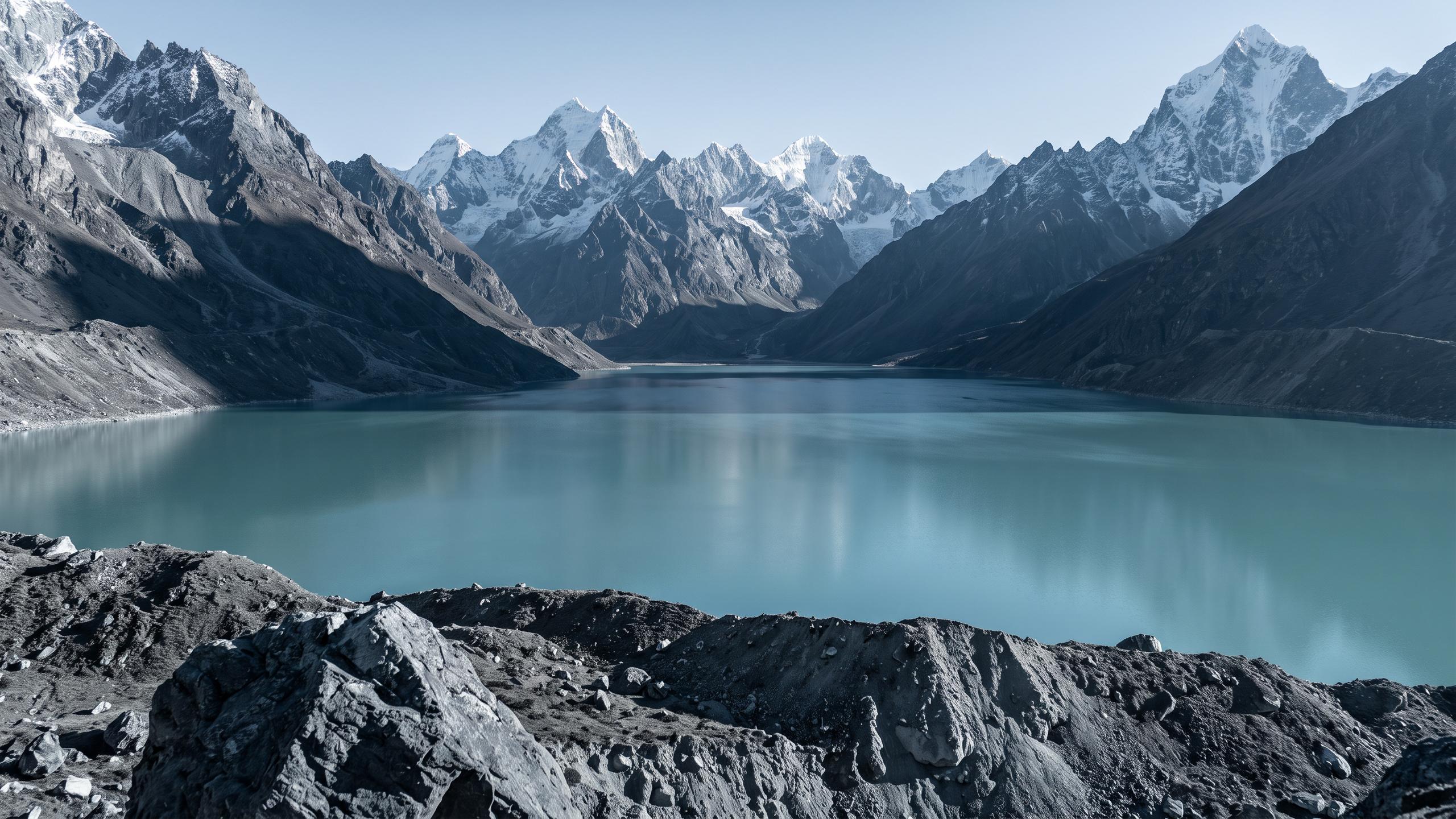
River blockages in Nepal primarily come in two forms. The first is the landslide-induced dam. Heavy rainfall or seismic activity can trigger huge sections of a mountainside to collapse into a narrow river valley, choking the flow of water. Behind this earthen barrier, a massive lake begins to form. The second, and increasingly common, cause is a Glacial Lake Outburst Flood, or GLOF. As climate change accelerates the melting of Himalayan glaciers, vast lakes are forming at high altitudes, often held back only by unstable walls of rock and sediment called moraines. There are over 20 such potentially dangerous glacial lakes identified in Nepal alone. If the moraine dam is breached—by an avalanche, an earthquake, or simply the pressure of the growing lake—it releases a sudden, terrifying torrent of water, ice, and debris.
The Threat of an Outburst Flood
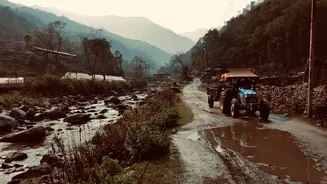
A blocked river creates a scenario of immense potential energy. The temporary lake that forms can grow rapidly, submerging upstream areas. The real danger, however, is the breach. These natural dams are inherently unstable and can fail without warning, releasing a wall of water that moves downstream at incredible speed. This is not a normal flood; it's a slurry of water, mud, and boulders that can destroy everything in its path, including villages, roads, bridges, and critical infrastructure like hydropower plants. The recent and tragic flash flood on August 26, 2026, which swept down the Bhotekoshi river from the Nepal-Tibet border, was caused by just such a blockage—an ice-rock avalanche that temporarily dammed a tributary. The subsequent dam failure unleashed a destructive surge that caused hundreds of casualties and wiped out infrastructure, demonstrating the catastrophic potential of these events.
Why Clearing is a Monumental Challenge
If a blockage is a ticking time bomb, the logical step is to defuse it. But clearing a multi-million-tonne landslide dam or carefully lowering the level of a high-altitude glacial lake is a monumental task. These sites are often in remote, inaccessible terrain, requiring immense technical, logistical, and financial resources. For landslide dams, engineers may need to create controlled channels to release water safely, a dangerous operation on an unstable structure. For GLOFs, strategies involve interventions like controlled drainage to lower lake levels. Nepal, with support from international partners, has undertaken projects to mitigate risks at some priority lakes, but the scale of the problem is vast and the costs are enormous. The reactive nature of disaster response is slowly shifting towards proactive risk reduction, but the challenge remains daunting.
The Downstream Impact on India
A disaster in the upper reaches of Nepal's rivers does not respect international borders. Major river systems like the Koshi, Gandaki (known as Narayani in Nepal), and Karnali flow from Nepal into India, primarily into the states of Bihar and Uttar Pradesh. An outburst flood in Nepal can and does have severe consequences for downstream Indian communities. The surge of water from the August 2026 Nepal flood prompted immediate alerts along the Gandak river basin in Bihar and UP, with authorities opening all gates of the Gandak Barrage to manage the flow. This highlights the direct link between upstream events in Nepal and flood risk in India, making river management a critical issue of cross-border concern. Cooperation on flood forecasting, early warning systems, and managing shared river infrastructure is not just a diplomatic nicety; it is essential for protecting millions of lives.