







After two weeks of tense negotiations that ran into overtime, the UN's COP31 climate summit in Turkey ended in bitter disappointment. No overarching deal was reached, leaving critical climate questions unanswered and the world on a precarious path. For
India and other developing nations, the failure to agree has profound implications, exposing deep rifts that threaten global climate action.
Hopes Dashed in Antalya
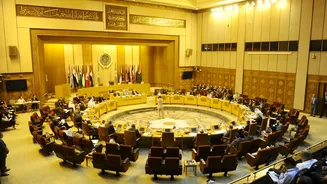
Delegates from over 190 countries arrived in Antalya, Turkey, against a backdrop of a year marked by extreme weather events. Scientists had confirmed 2026 was on track to breach the critical 1.5°C warming threshold set by the Paris Agreement, making decisive action more urgent than ever. The summit was intended to be a 'COP of Implementation,' focusing on turning past promises into concrete action. However, the talks collapsed on Sunday, marking the first time a COP has ended without a consensus deal since the infamous 2009 Copenhagen summit. The failure exposed the deep and persistent fault lines that have long plagued international climate diplomacy.
The Great Wall of Climate Finance
A primary reason for the collapse was the deep disagreement over climate finance. Developing nations, including India, have consistently argued that developed countries, who are historically responsible for the bulk of emissions, have a duty to provide financial support for the energy transition and adaptation measures. India's key demands remained unresolved, including the call for predictable, concessional public finance that does not add to the debt burden of developing countries. The draft text fell far short on funding to help vulnerable countries adapt to climate change, a point strongly criticised by the African Group of Negotiators and the Least Developed Countries group. For countries like India, the principle of 'climate justice' is non-negotiable; ambition on cutting emissions must be matched with firm financial commitments from the developed world.
A War of Words Over Fossil Fuels
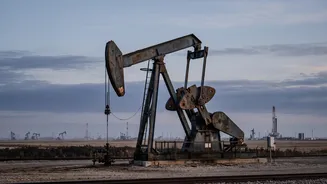
The other major deal-breaker was the language surrounding fossil fuels. A significant dispute emerged over whether the final text should explicitly call for a 'transition away from' or a 'phase-out' of fossil fuels. Oil and gas producing nations like Saudi Arabia and Russia strongly opposed such language. On the other side, the European Union, the United Kingdom, and a coalition of climate-vulnerable nations refused to accept a deal that did not mention the primary cause of global warming. India and China have previously advocated for a 'phase-down' rather than a complete and sudden 'phase-out,' arguing their economic growth and energy security depend on a more gradual, nationally determined transition. Ultimately, the final draft text removed references to fossil fuels entirely, a move the EU called 'unconscionable' and a major step backwards from the agreement reached at COP28 in Dubai.
An Empty 'Loss and Damage' Fund
The 'Loss and Damage' fund, established at COP27 to compensate vulnerable nations for unavoidable climate disasters, was another source of friction. While the fund's creation was a landmark victory, it remains severely underfunded. Pledges from developed nations have been a fraction of the estimated $400 billion needed annually. In the lead-up to COP31, the fund had received requests totalling $2.8 billion against an allocation of just $342 million. This massive shortfall undermines trust and leaves countries on the front lines of climate change without the resources to recover and rebuild, making it a key sticking point for any broader agreement.
What The Failure Means for India
The collapse of the talks in Turkey leaves India in a difficult position. As one of the world's most vulnerable countries to climate change, with a third of its GDP reliant on nature, India has a strong interest in ambitious global action. However, it also has immense development needs. The government has consistently maintained that its path to decarbonisation must be just, equitable, and supported by international finance and technology transfer. The failure to secure these commitments means India must continue to navigate the complex challenge of balancing economic growth with its own ambitious climate targets, such as generating 50% of its power from non-fossil fuels, largely on its own. The lack of a global consensus puts more pressure on domestic policy and resources to manage the intensifying impacts of climate change.