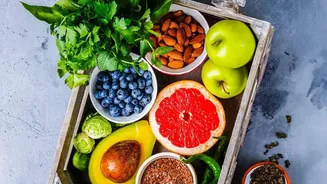






We've all heard the hype around 'superfoods' like kale and blueberries. But what if the real secret to unlocking nutrition isn't in the food itself, but in how you handle it in your kitchen? It's time to look beyond the label.
The Superfood Myth
Walk through any grocery
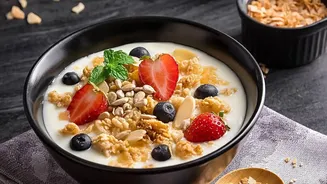
store and you'll see the term 'superfood' splashed across packaging for everything from exotic berries to common grains. It’s a powerful marketing tool that suggests a food possesses extraordinary health benefits. However, it's important to know that 'superfood' is not a scientific or regulated term. It was created for marketing to highlight foods that are naturally nutrient-dense. While the foods themselves, like salmon, broccoli, or blueberries, are undoubtedly healthy and packed with beneficial compounds like antioxidants and fiber, the label can be misleading. Nutrition experts caution that focusing on a few hyped-up foods can cause people to overlook other equally nutritious and often more affordable options. The truth is, no single food can act as a magic bullet for health. A balanced, varied diet is what truly matters, not chasing the latest trendy ingredient.
Your Kitchen, Your Lab
Instead of focusing on whether a food is 'super,' let's shift our attention to a factor you have complete control over: preparation. The way you store, chop, and cook your food can dramatically change its nutritional profile, for better or worse. This concept is known as bioavailability, which refers to the proportion of a nutrient your body can actually absorb and use. A raw carrot and a cooked carrot don't deliver the same nutritional punch. Likewise, some vitamins are delicate and can be destroyed by heat, while others become more available. Understanding these simple principles can transform your kitchen into a laboratory where you can maximize the nutritional value of every meal you make.
Unlocking Nutrients with Heat
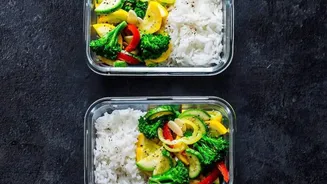
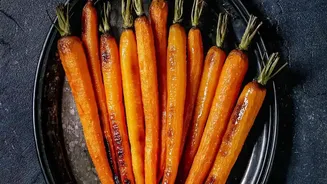
While many believe raw is always better, cooking can often be a key that unlocks a food's hidden potential. For example, cooking tomatoes significantly increases the bioavailability of lycopene, a powerful antioxidant. The heat breaks down the tough cell walls of the tomato, releasing more of this beneficial compound for your body to absorb. The same is true for vegetables like carrots and spinach. Cooking carrots makes their beta-carotene more available, and cooked spinach provides more accessible iron and calcium than its raw form. Some cooking methods are better than others at preserving nutrients; steaming and microwaving are often cited as excellent choices because they cook food quickly with minimal water, which helps retain water-soluble vitamins.
The Art of Smart Pairings
Nutrition isn't just about individual components; it's about teamwork. Certain nutrients work together, enhancing each other's absorption. One of the most classic examples is iron and vitamin C. When you eat plant-based sources of iron, like spinach or lentils, pairing them with a food rich in vitamin C—such as a squeeze of lemon juice, bell peppers, or a side of strawberries—can significantly boost iron absorption. Similarly, fat-soluble vitamins (A, D, E, and K) need fat to be absorbed properly. This is why adding a healthy fat like olive oil or avocado to your salad isn't just for flavour; it's helping your body utilize the vitamins in those leafy greens.
When Raw Is Right
Of course, this doesn't mean you should cook everything. Some nutrients are sensitive to heat and are best consumed raw. Water-soluble vitamins, especially vitamin C and many B vitamins, are prime examples. These vitamins can be destroyed by high temperatures or can leach into cooking water. For instance, you'll get more vitamin C from a raw bell pepper or a fresh orange than from their cooked counterparts. Steaming is a gentle cooking method that helps preserve these delicate vitamins better than boiling. The key is to embrace a variety of preparation methods. Enjoy crisp, raw salads but also appreciate the concentrated nutrients in a hearty, cooked stew.