







Why Sugar Can Make You Hungrier
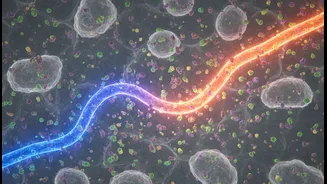
When you consume sugar, particularly refined types, your body releases insulin to manage the spike in blood glucose. This process can lead to a rapid drop in blood sugar, which your body might interpret as hunger. This effect is driven by two key hormones:
ghrelin and leptin. Ghrelin, often called the 'hunger hormone,' stimulates appetite. Leptin, on the other hand, signals to your brain that you're full. Excessive sugar intake can disrupt the delicate balance of these hormones. It can lead to 'leptin resistance,' where your brain stops responding properly to the fullness signal, contributing to overeating and a persistent feeling of hunger.
Not All Sugars Are Created Equal
The type of sugar you eat matters. Our bodies process glucose (found in starches) and fructose (found in fruits, honey, and high-fructose corn syrup) differently. Studies show that fructose may be less effective at suppressing hunger-promoting brain cells compared to glucose. Ingestion of fructose has been linked to a greater desire for food compared to glucose, partly because it doesn't stimulate the satiety hormone insulin in the same way. Sugars found naturally in whole foods like fruits and vegetables come packaged with fibre, which slows down sugar absorption and helps you feel full. Added sugars, found in processed foods and sugary drinks, offer calories with little nutritional benefit and are the main culprits in disrupting hunger cues.
Your Practical Checklist for Smarter Choices
Regaining control over your hunger signals doesn't require eliminating sugar entirely. It's about making more mindful, informed decisions. This practical checklist will help you navigate your sugar choices for better health and more stable energy levels.
1. Read Nutrition Labels Carefully
Added sugars are often hidden in foods you might not expect, like sauces, bread, and yogurts. Get into the habit of reading the ingredients list. Look for names like high-fructose corn syrup, dextrose, evaporated cane juice, and malt syrup. Comparing the 'added sugars' line on nutrition labels can help you choose products with lower amounts. Being aware is the first step toward reducing your intake.
2. Prioritise Protein and Fibre
Never eat a sugary treat on an empty stomach. When you do have something sweet, pair it with protein or fibre. For example, have an apple with a handful of nuts or add berries to high-protein Greek yogurt. Protein and fibre slow down the absorption of sugar into your bloodstream, preventing sharp spikes and crashes in blood sugar. This helps keep you feeling fuller for longer and reduces the likelihood of a craving-driven hunger pang shortly after.
3. Choose Whole Foods Over Processed Ones
Opt for whole fruits instead of fruit juices or smoothies. The fibre in whole fruit is crucial for satiety and slowing sugar release. Similarly, choose whole-grain breakfast cereals over sugary, frosted options. Processed snacks are easy to overeat and often loaded with added sugars. By focusing your diet on whole, unprocessed foods, you naturally reduce your intake of added sugars and increase your consumption of nutrients that regulate appetite effectively.
4. Rethink Your Drinks
Sugar-sweetened beverages like sodas, energy drinks, and specialty coffees are a primary source of added sugars and 'empty' calories in many diets. These drinks can spike blood sugar dramatically without providing any feeling of fullness. The best choice is always water. If you need a flavourful alternative, try unsweetened iced tea or water infused with fruit. Cutting back on sugary drinks is one of the fastest and most effective ways to reduce your overall sugar intake.
5. Distinguish Cravings from Hunger
Sometimes what feels like hunger is actually thirst or a craving born out of habit or stress. Before reaching for a snack, try drinking a glass of water and waiting a few minutes. If you still feel the urge, ask yourself if it's a specific craving or true physical hunger. True hunger is less specific and can be satisfied by a variety of foods, whereas a craving is often for a particular high-sugar or high-fat item. Learning to listen to your body's true signals is a powerful tool for better nutrition.