

Jungfraujoch – Top of Europe
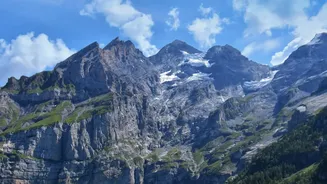
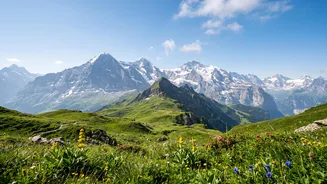
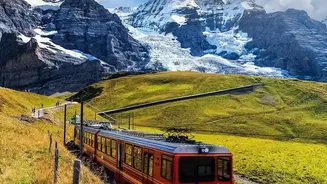
The title alone sets an expectation: the highest railway station in Europe. The journey up is an engineering marvel, a train burrowing through the Eiger itself before emerging at a staggering 3,454 meters. Yes, it is crowded, and yes, it is expensive.
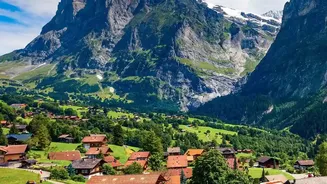
You will share the view of the immense Aletsch Glacier with hundreds of others. But the subjective experience transcends the crowd. It’s the feeling of otherworldly altitude, the crisp, thin air, and the surreal sight of the Sphinx Observatory perched impossibly high. Inside, the Ice Palace offers a chilly, whimsical walk through tunnels carved directly into the glacier. To beat the peak rush, take one of the first trains of the day; you'll find the tunnels and platforms noticeably calmer.
Zermatt – The Matterhorn's Domain
Zermatt exists because of one thing: the magnetic, terrifyingly beautiful Matterhorn. This car-free village buzzes with energy, a mix of serious mountaineers, luxury travelers, and day-trippers all craning their necks for a view of that iconic peak. The electric taxis and construction can sometimes give it the feel of a busy, functional resort rather than a sleepy alpine hamlet. But the magic of Zermatt reveals itself in the moments between the rush. Stay overnight, and you'll witness the village transform as the day-trippers depart. The real Zermatt is found on a pre-dawn walk to find the perfect reflection in the Stellisee, or in the shared reverence in a mountain restaurant as the evening light hits the Horn. It’s a place that proves a single mountain can create an entire world around it.
Lucerne – The Chapel Bridge
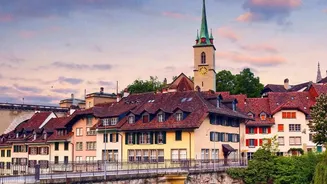
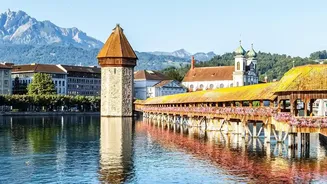
As Europe's oldest covered wooden bridge, Lucerne's Chapel Bridge is a postcard come to life, and the crowds reflect its fame. During peak hours in summer, a slow shuffle is the only pace across its 204-meter span. It can feel less like a historic walk and more like a procession. But look up. Tucked into the rafters are triangular paintings from the 17th century, depicting scenes from Swiss history. Though many were tragically lost in a 1993 fire, the survivors tell a powerful story. To truly appreciate it, visit early in the morning or late in the evening when the tour groups have dissipated. In the quiet, you can hear the creak of the old wood and properly contemplate the history that surrounds you, making it more than just a beautiful river crossing.
Interlaken – The Adventure Capital
Positioned between two stunning turquoise lakes, Thun and Brienz, Interlaken is less a destination and more a launchpad. It is famously, and often loudly, the adventure capital of Switzerland. The main streets are lined with offices selling paragliding, canyoning, skydiving, and every other adrenaline-fueled activity imaginable. The town itself can feel overwhelmingly commercial, a hub of pure tourism. But that is its honest, unapologetic identity. The subjective joy of Interlaken is to embrace its purpose. It's a place to say 'yes' to the thrill you've always wanted to try. The energy is infectious, fueled by a global mix of people all there for one reason: to have fun in one of the world's most dramatic natural playgrounds.
Geneva – The Lakefront and Jet d'Eau
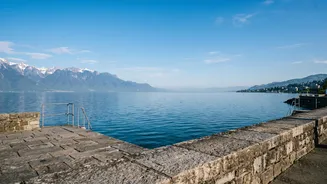
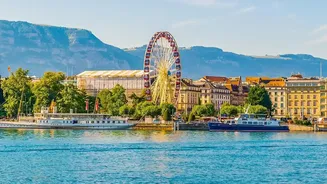
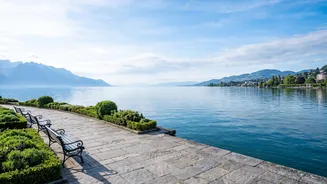
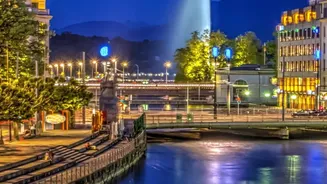
Geneva's waterfront is a grand stage of international life. On one side, the manicured Jardin Anglais and the Old Town; on the other, the famous Bains des Pâquis swimming baths. Presiding over it all is the Jet d'Eau, a powerful plume of water firing 140 meters into the sky. Originally a functional pressure-release valve for the city's water system, it has become Geneva's defining symbol. The promenade is a constant flow of diplomats, locals on a lakeside run, and tourists snapping photos. It’s crowded, cosmopolitan, and constantly moving. The appeal is in the atmosphere — a sense of global importance mixed with simple leisure. Finding a bench, watching the CGN ferries glide past, and seeing the fountain catch the evening light is to experience the unique, sophisticated pulse of the city.