

1. Master Your Route Before You Start
The most crucial part of a successful monsoon commute happens before you even step out of the door. Don't leave your journey to chance. Before you head out, check reliable weather apps for real-time rain forecasts and use traffic monitoring apps to see
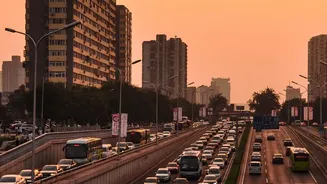
which roads are already waterlogged or jammed. Heavy rain can cause flash floods and bring traffic to a standstill within minutes. Having this information allows you to decide whether you need to leave earlier, delay your trip, or take an entirely different route. Smart commuters have a Plan A, B, and C. Identify at least one or two alternative routes to your destination that avoid low-lying areas known for flooding. This proactive planning prevents you from getting stuck and turning a 30-minute trip into a three-hour ordeal. It's about outsmarting the rain, not just reacting to it.
2. Make Your Vehicle Monsoon-Ready
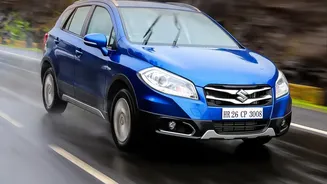
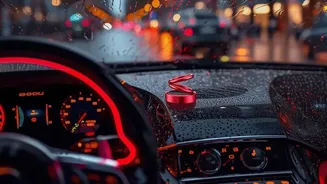
If you commute by car or a two-wheeler, your vehicle is your first line of defence against the monsoon. Before the season peaks, invest time in a thorough check-up. Your tyres are the most critical safety component on slippery roads. Ensure they have adequate tread depth—at least 3mm is recommended to prevent aquaplaning, where your vehicle loses contact with the road and skids. Equally important are your brakes; wet conditions can reduce their effectiveness, so get them inspected and replace worn brake pads. Check that your headlights, taillights, and indicators are all working perfectly to ensure you are visible to others in low-light conditions. Don't forget your wiper blades. Worn-out wipers will smear water across the windshield, dangerously obstructing your vision. Replace them if they leave streaks. A well-maintained vehicle is less likely to break down and better equipped to handle the unique challenges of monsoon roads.
3. Pack a Smart Commuter 'Go-Bag'
An umbrella is a start, but a smart monsoon commuter is prepared for more than just getting wet. Think of your bag as a survival kit for unexpected delays and downpours. The most important addition in the digital age is a fully charged power bank, as long delays can drain your phone battery, cutting you off from vital communication and traffic updates. Protect your electronics by using waterproof bags or even simple zip-lock pouches for your phone, wallet, and chargers. Pack a small, quick-drying towel and a spare pair of socks; arriving at your destination with dry feet can make a huge difference to your comfort and hygiene. It's also wise to carry a water bottle and some light snacks like biscuits or a protein bar. Traffic jams can be unpredictable, and being stuck for hours is much more manageable when you're not hungry and dehydrated.
4. Practice Defensive Navigation
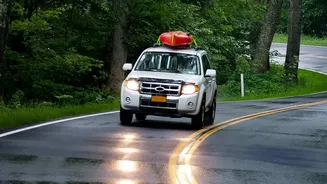
Once you are on the road, your driving or walking habits need to adapt to the conditions. The number one rule is to slow down. Wet roads significantly increase braking distances and the risk of skidding. Maintain a greater distance from the vehicle in front of you to give yourself more time to react. Be extremely wary of waterlogged streets. That seemingly shallow puddle could be hiding a deep pothole or an open manhole. If you can't gauge the depth, it is always safer to find another way around. If your car does stall in water, resist the urge to restart the engine, as this can cause severe and expensive damage. For pedestrians and two-wheeler riders, the dangers are even greater. Wear footwear with a good grip to avoid slipping on slick platforms and staircases. Stay alert and assume you are less visible to drivers.
5. Prioritise Your Health and Hygiene
The monsoon doesn't just disrupt travel; it also brings a host of health risks. Stagnant rainwater is often contaminated with sewage and is a breeding ground for bacteria and viruses that can cause diseases like leptospirosis and fungal infections. Avoid walking through floodwaters whenever possible. If you can't avoid it, wear waterproof footwear like rubber boots. As soon as you get home or to the office, wash your feet and hands thoroughly with soap. It's also a good habit to keep a hand sanitiser in your bag for when you can't immediately wash your hands after touching surfaces on public transport. Many people also recommend keeping a spare set of dry clothes and shoes at your workplace. Sitting in a cold, air-conditioned office in wet clothes is a quick way to catch a cold or flu. Staying dry and clean is just as important as reaching your destination on time.