








The Classic Connectivity Challenge
For decades, the solo traveller’s checklist before crossing a state line in India included a familiar, tedious task: find a local shop, present your documents, and get a new physical SIM card. While national roaming has improved, network quality remains
notoriously inconsistent. A provider that offers blazing-fast 4G in Delhi might leave you with a single, flickering bar of signal in a remote village in Himachal Pradesh. This digital lottery is more than an inconvenience; for a solo backpacker, a stable connection is a lifeline for navigation, online bookings, emergency contacts, and staying in touch with loved ones. The fear of being stranded without a signal is real, forcing many to juggle multiple SIM cards or simply accept patchy service as a part of the journey.
What Are Peer eSIM Platforms?
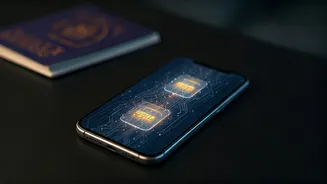
An eSIM (embedded SIM) is a digital SIM card that lives inside your phone, allowing you to activate a cellular plan without a physical nano-SIM. "Peer eSIM platforms" are essentially digital marketplaces that aggregate data plans from various local and regional network operators. While not strictly 'peer-to-peer' in the sense of sharing your own data plan with a stranger, they offer a peer-like level of choice. Instead of being locked into one provider, a user can browse, compare, and purchase short-term data plans from multiple networks through a single app. Think of it as a Zomato or Swiggy for mobile data—you pick the best option for your current location based on price, signal strength, and data allowance.
The Freedom from Physical Hassles
The primary appeal of this technology is the sheer convenience it offers. Arriving in a new city? Instead of hunting for a physical store, you can be online in minutes. A few taps on an app like Airalo, Holafly, or Nomad, a quick QR code scan, and your new data plan is active. This completely eliminates the bureaucracy of document submissions (like Aadhaar card copies and passport photos) and the time wasted in queues. For a backpacker travelling light and on a fluid schedule, this is revolutionary. It means you can land in a new state and immediately book a cab, check your hostel's location, or let your family know you've arrived safely, all without missing a beat.
Why It’s a Lifeline for Soloists
For solo travellers, the benefits extend far beyond convenience. Safety is paramount, and a reliable internet connection is a crucial safety tool. It ensures that GPS works when you’re navigating an unfamiliar city and that you can contact someone in an emergency. Flexibility is another key advantage. A backpacker might decide to extend their stay in the mountains or take an impromptu detour to a coastal town. With an eSIM platform, they can instantly purchase a data pack best suited for that new region, ensuring they are never out of touch. This model also promotes better budget control, as travellers can buy small, location-specific data packs for just a few days, avoiding the cost of a month-long plan they won't fully use.
Choosing the Right Service
With a growing number of eSIM marketplaces available, it's wise to do a little research before committing. Look for platforms that partner with multiple top-tier Indian networks (like Jio, Airtel, and Vi) to ensure the broadest possible coverage. Check user reviews within the app or on travel forums, paying close attention to comments about network reliability in the specific regions you plan to visit. Compare pricing structures—some offer pay-as-you-go rates, while others provide fixed-data packages valid for a certain number of days. A good platform will be transparent about which local network your data plan will run on.
What to Keep in Mind
Before you dive in, there are a couple of things to consider. First, ensure your smartphone is eSIM compatible. Most flagship phones from the last few years are, but it's always best to check your device's settings or specifications. Second, most of these travel eSIM plans are data-only. This means you won't get a local phone number for making or receiving traditional calls and SMS messages. However, for the modern backpacker who relies on WhatsApp, Google Maps, and other internet-based services, this is rarely a dealbreaker. All your calls and messages can simply run over your data plan.