



From Staple Food to Forgotten Grain
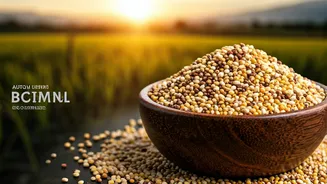
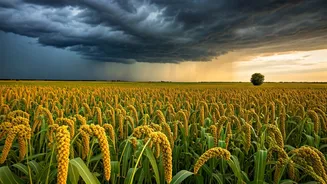
It’s hard to imagine now, but millets were not always a niche health food. For centuries, these hardy grains were a staple across India, making up around 40% of all cultivated grains before the 1960s. [21] They were the original soul food for vast swathes
of central and southern India. [21] However, the Green Revolution, with its focus on high-yield varieties of wheat and rice, pushed millets to the margins. [4, 12] Government policies, including subsidies and the public distribution system (PDS), overwhelmingly favoured rice and wheat, which became symbols of aspiration. [4, 21] Millets, in contrast, were often dismissed as 'poor man’s food' or 'inferior grain', causing their cultivation and consumption to plummet. [4, 28]
A Nutritional Powerhouse Returns
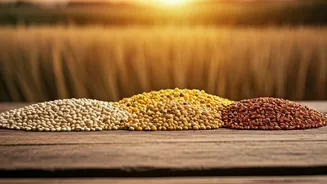
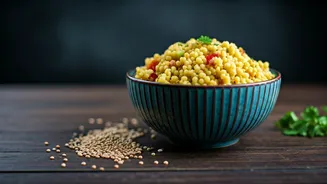
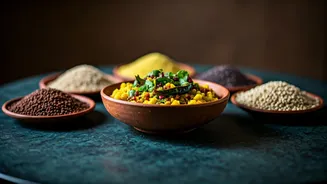
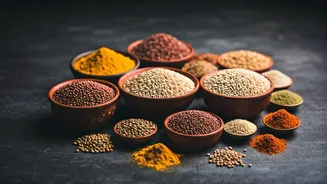
A key driver of the millet comeback is the growing awareness of their incredible health benefits. These grains are nutritional powerhouses, packed with protein, fibre, vitamins, and minerals. [2, 22] Unlike polished rice and wheat, millets are typically gluten-free and have a low glycaemic index, making them ideal for managing diabetes and promoting heart health. [3, 29] The variety is stunning, with each millet offering unique advantages: Ragi (finger millet) is famously rich in calcium, almost ten times that of wheat; Bajra (pearl millet) is loaded with iron; and others like Jowar (sorghum) and Foxtail millet offer a wealth of fibre and protein. [2, 4] This nutrient-dense profile is repositioning millets from a forgotten food to a modern superfood essential for tackling lifestyle diseases. [8]
The Climate-Smart Solution
In an era of climate change, millets are being hailed as a 'climate-smart' crop. [13, 18] These grains are remarkably resilient, requiring significantly less water than rice and wheat—in some cases, up to 70% less. [12, 28] They can thrive in arid conditions, on poor soil, and with fewer pesticides and fertilisers. [3, 11] This makes them a lifeline for farmers in drought-prone regions, offering a more stable and less risky livelihood. [13, 16] As weather patterns become more unpredictable, the ability of millets to withstand high temperatures and water stress makes them crucial for ensuring India’s long-term food and nutritional security. [15, 16]
Policy and Innovation Fuelling the Trend
The revival isn't happening by accident. A significant push from the government has been a game-changer. India championed the UN's declaration of 2023 as the International Year of Millets, placing the grain on the global stage. [10, 11] This has been backed by national initiatives like the National Food Security Mission, which promotes millet production and procurement. [19] Simultaneously, a wave of startups and food entrepreneurs are giving millets a modern makeover. [14, 20] They are transforming these ancient grains into a range of convenient and appealing products, from millet-based pasta, noodles, and cookies to breakfast cereals and ready-to-cook dosa mixes. [6, 24] This innovation is making it easier than ever for urban consumers to incorporate millets into their busy lives. [25]
Reclaiming a Place on the Plate
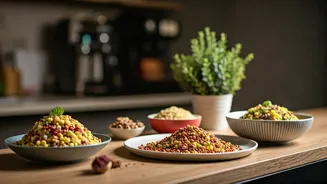
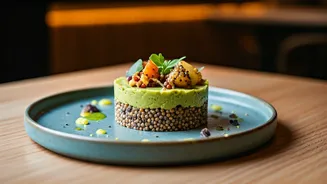
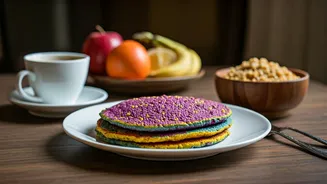
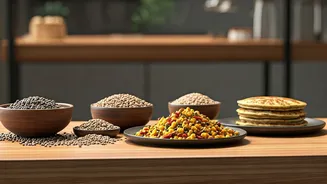
The perception of millets is undergoing a massive transformation. From being labelled 'kirudhanya' (inferior grain), they are now celebrated as 'siridhanya' (bountiful grain) and even 'Sri Anna' (the best of grains). [28, 31] Chefs are incorporating them into fine-dining menus, while cafes offer ragi brownies and jowar crepes. This cultural shift is crucial. By moving beyond their traditional forms like roti and porridge, millets are appealing to a new generation of health-conscious and environmentally-aware consumers. The movement is helping India reclaim a vital part of its agricultural heritage while building a more sustainable and nutritious food future. [11, 19]