

Go Beyond the Basic Temperature Forecast
Looking at the maximum and minimum temperature is standard, but for a hill station, it’s not enough. You need to dig deeper. Check the 'feels like' temperature, which accounts for wind chill—a significant factor at higher altitudes. Look for the probability
of precipitation; a 30% chance of rain in the plains might be a passing shower, but in the hills, it could mean persistent drizzle and fog, drastically affecting visibility and outdoor plans. Also, check humidity levels. Low humidity, common in winter, can make the air feel colder and lead to dry skin, while high monsoon humidity brings its own set of challenges.
Understand the Two Critical Seasons: Monsoon and Winter
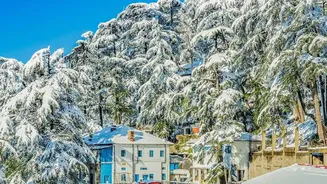
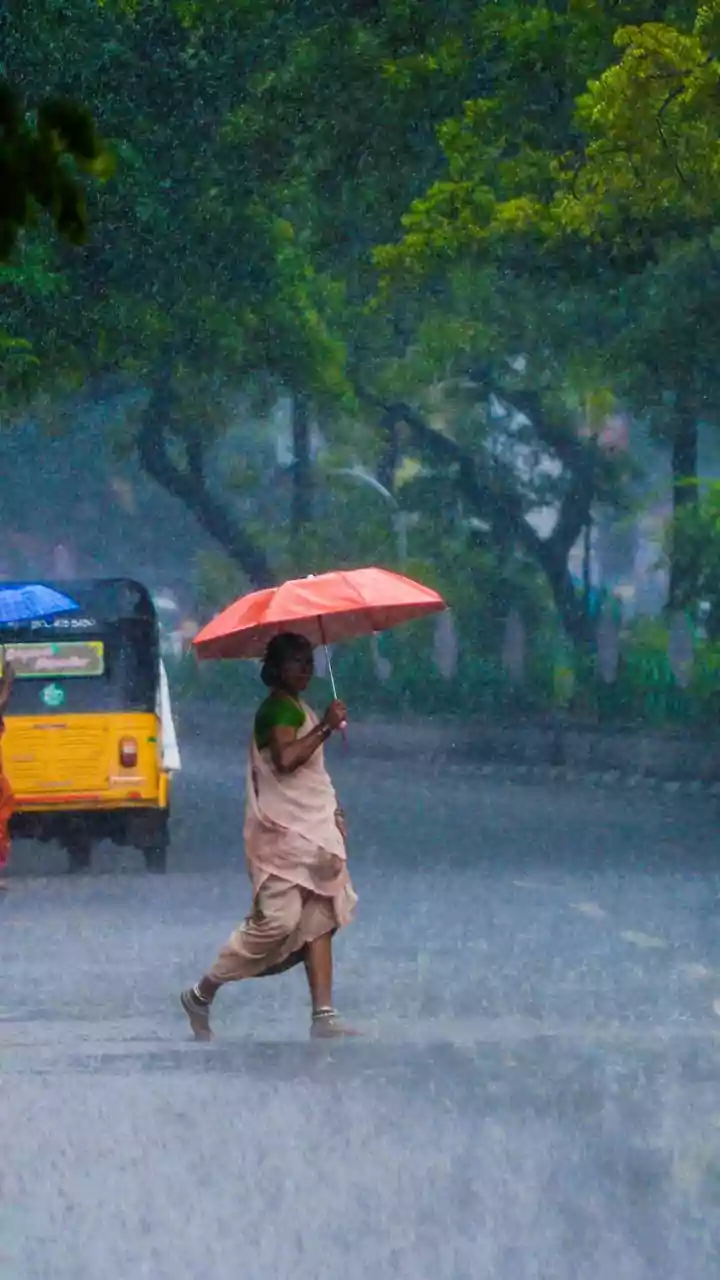
Indian hill stations have two periods where weather becomes a dominant factor: the monsoon (roughly June to September) and peak winter (December to February). During the monsoon, the primary risk is not just getting wet, but landslides and flash floods. Heavy rains saturate the soil on steep slopes, leading to road blockages that can leave tourists stranded. In winter, the concern shifts to heavy snowfall. While magical, it can block roads for days and cause extreme cold. Before booking, decide which season you're travelling in and research its specific risks for your chosen destination. Some routes, like those in high-altitude parts of Himachal Pradesh and Uttarakhand, are notoriously prone to closures during these times.
Check for Official Weather Alerts and Advisories
Your weather app is good for a quick look, but official sources provide more critical information. The India Meteorological Department (IMD) is the most reliable authority. The IMD issues district-level colour-coded alerts (Green, Yellow, Orange, Red) for severe weather events like heavy rainfall, thunderstorms, and heatwaves. An Orange or Red alert for your destination's district should be a serious reason to reconsider your travel dates. These alerts are specifically designed to warn against conditions that can disrupt transport and pose a danger to life. Many state tourism and disaster management websites also provide localized advisories.
Assess Road Connectivity and Landslide Risk
The journey is as important as the destination, especially in the mountains. Before booking, understand the primary route to your hill station. Is it a single, fragile highway known for 'shooting stones' or landslides? Places in the Himalayan belt are particularly vulnerable. Search online for recent news about road conditions on the specific highways you'll be using, such as the Shimla-Kalka or Manali-Leh routes. Landslides are a recurring issue, and a road closure can derail your entire itinerary. If travelling during a risky season, consider destinations in the Aravallis or Western Ghats, which may have more stable access routes.
Contact Your Hotel for On-the-Ground Truth
The most underrated check is also one of the most effective: call your hotel or homestay directly a few days before you book or depart. Local hosts have the most accurate, real-time information. Ask them about the immediate weather conditions, if the roads leading to the property are clear, and if there have been any recent weather-related disruptions. They can tell you if a nearby bridge is down, if a local road is blocked, or if it has been raining continuously for days—details a national forecast might miss. This insider information is invaluable for making a final, informed decision.
Prepare for Microclimates and Sudden Changes
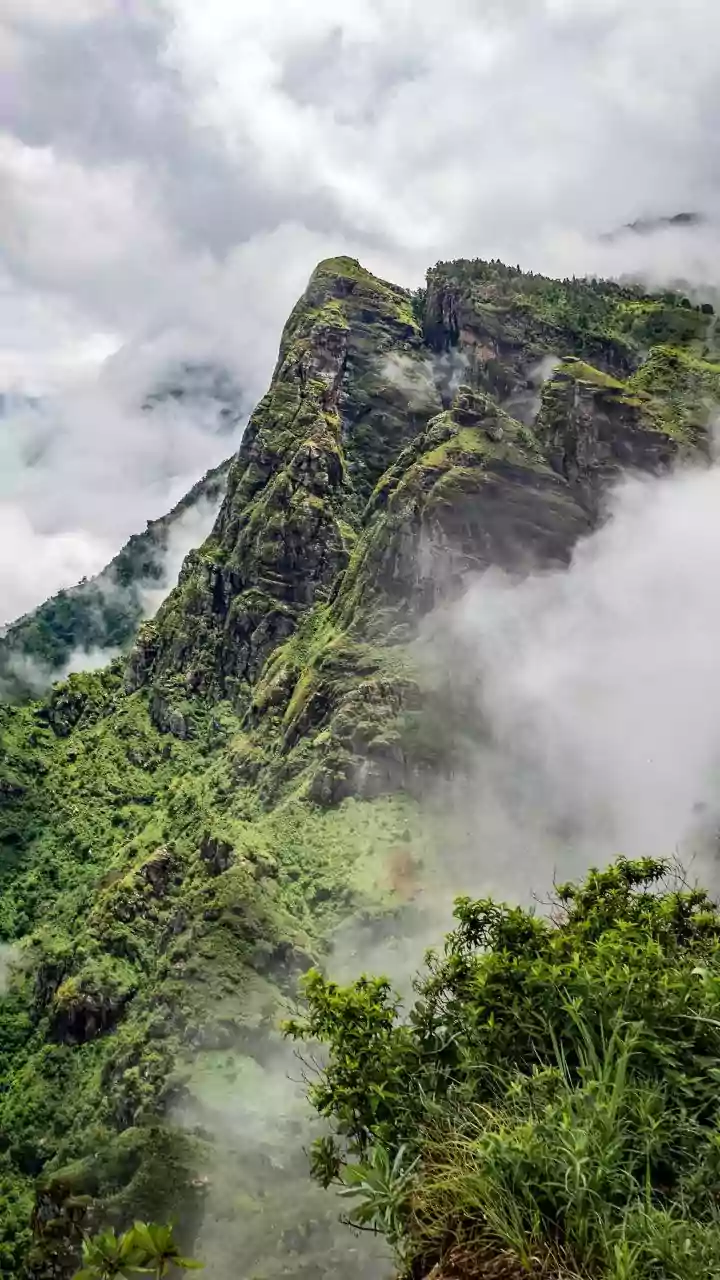
A forecast for a major hill town like Shimla or Ooty may not apply to a resort located just 15 kilometres away at a higher altitude. Hills create their own microclimates. One valley can be sunny while the next is shrouded in fog and rain. This is why packing in layers is crucial, regardless of the forecast. A windproof and waterproof outer layer is non-negotiable. Even during summer, temperatures can drop sharply in the evening or during a sudden shower. Always be prepared for weather that is colder and wetter than the forecast suggests. This mindset ensures you remain comfortable and safe, allowing you to enjoy the mountains no matter what they throw at you.