






A Greener Celebration
A primary driver of this shift is a growing collective consciousness about environmental waste. For years, festive seasons have been been a major source of single-use plastic, from decorative wrappers to the boxes themselves. With awareness about plastic pollution
reaching an all-time high, many consumers are actively seeking to reduce their environmental footprint. Reports highlight that a significant percentage of plastic waste in India comes from packaging, which often ends up in landfills and oceans. Choosing a living plant or a handmade item in reusable packaging is a direct response to this crisis. It’s a move away from disposability and towards longevity, reflecting a desire to celebrate in a way that doesn’t harm the planet. This sentiment is now a major purchase driver, with a high percentage of consumers stating a preference for eco-friendly options.
The Search for Meaningful Gifts
Beyond sustainability, there is a powerful emotional element at play. A mass-produced box of sweets, however delicious, can sometimes feel impersonal. In contrast, a handmade gift carries a story and the touch of a human hand. Consumer psychology research suggests that people perceive handmade items as containing more love and effort, making them feel more special, particularly when given as a gift. Similarly, gifting a plant is seen as giving a living, breathing thing that will grow over time—a symbol of a lasting relationship. It is a gesture of care that continues long after the festival is over. This turn towards meaningfulness reflects a broader shift in consumer values, where the intention and story behind a gift are becoming just as important as the object itself.
A Boost for Local Artisans
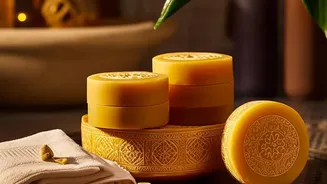
The movement also has a strong economic and social dimension. Choosing to buy from a local potter, weaver, or small nursery is a conscious decision to support small businesses and traditional craftspeople. This trend empowers communities and helps preserve India's rich heritage of craftsmanship, which is often threatened by mass production. For many consumers, knowing their purchase contributes to a local artisan's livelihood adds a layer of value that a factory-made product cannot match. It transforms the act of giving into an investment in local culture and economy, making the gift feel more ethical and impactful.
Gifts That Grow and Give Back
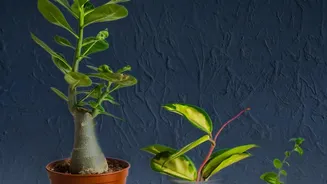
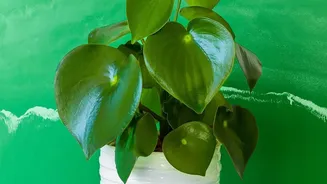
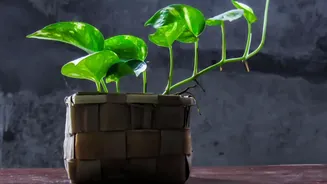
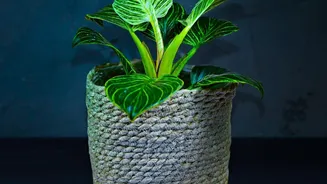
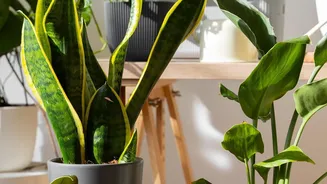
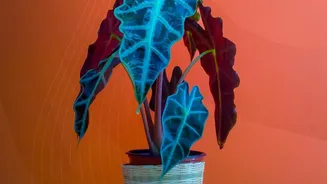
Potted plants, in particular, tap into the modern focus on wellness and home life. Indoor plants are known to purify the air, reduce stress, and improve the ambience of a living space. Gifting a plant like a Peace Lily, Snake Plant, or Money Plant aligns with cultural beliefs in Vastu and Feng Shui, as they are often associated with prosperity, harmony, and positive energy. Unlike a box of mithai that is consumed quickly, a plant becomes a part of the recipient's home decor. It's a gift that serves a dual purpose: it’s aesthetically pleasing and contributes to a healthier, more serene home environment, making it a practical and thoughtful choice for modern households.