

The Search for Cosmic Quiet
For most city dwellers, the night sky is a forgotten canvas. Blanketed by relentless light pollution, the cosmic wonders that have captivated humanity for millennia are reduced to a handful of faint dots. This constant glow from streetlights, buildings,
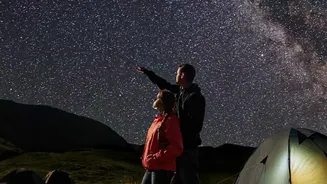
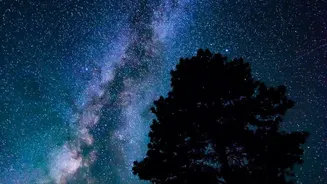
and advertisements has created a phenomenon known as 'sky glow', effectively erasing the Milky Way and thousands of stars from our view. In response, a new travel trend is emerging: astro-tourism. Fed up with the artificial glare, urbanites are seeking out the planet's last remaining dark-sky sanctuaries to reconnect with the universe. This journey is not just about astronomy; it is a retreat from the sensory overload of city life, a quest for silence, and a chance to experience a profound sense of awe.
Why Himachal’s Skies Shine Brighter
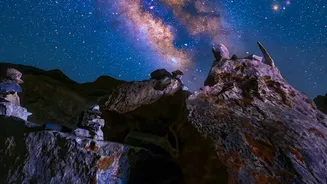
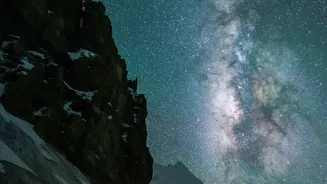
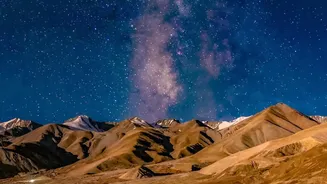
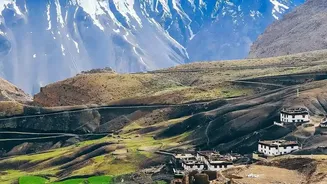
Himachal Pradesh, particularly its high-altitude cold desert regions like Spiti and Lahaul, offers a perfect trifecta for stargazing. Firstly, the extreme altitude, with villages often sitting above 12,000 feet, places you above a significant portion of the Earth's atmosphere. Thinner air means less atmospheric distortion, resulting in sharper, more brilliant stars. Secondly, these regions are sparsely populated with minimal industrial activity, meaning light pollution is virtually non-existent. The skies here are rated among the darkest in Asia, allowing the Milky Way to be visible to the naked eye. Finally, the dry, cold desert climate means very little humidity or cloud cover, especially outside the monsoon months, ensuring crystal-clear nights perfect for observation. This unique combination of factors creates a natural observatory of unparalleled quality.
A Stargazer's Map to Himachal
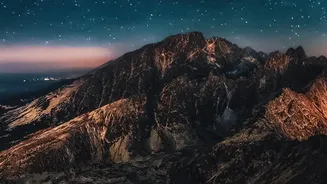
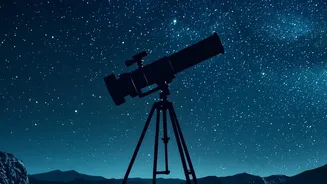
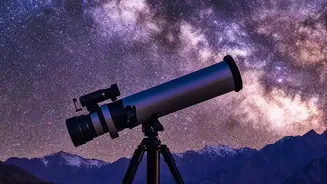
While many parts of Himachal offer clear skies, the Spiti Valley is the undisputed champion for astro-tourists. Villages like Langza, famous for its giant Buddha statue against a cosmic backdrop; Kibber, one of the highest inhabited villages; and Komic, the world's highest village connected by a motorable road, are prime destinations. The area around Key Monastery and the pristine Chandratal Lake are also legendary spots for night-sky photography and observation. For those seeking more accessible options, Jibhi in the Tirthan Valley and areas around Kalpa in Kinnaur also provide excellent stargazing opportunities without the extreme altitude challenges of Spiti. In July 2025, a community-run stargazing facility was even inaugurated in Kaza, Spiti, complete with high-powered telescopes and trained local guides, further cementing the region's status as an astro-tourism hub.
Beyond the Night Sky: The Full Experience
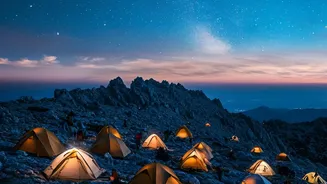
A trip to these high-altitude villages is about more than just the stars. It's a deep dive into a different way of life. Accommodation is often in simple, family-run homestays where you can experience warm Himachali hospitality and taste authentic local food. The days are spent exploring ancient monasteries perched on dramatic cliffs, discovering fossils in villages like Langza, and taking in the stark, breathtaking landscapes of the cold desert. It is an enforced digital detox, as connectivity is sparse and unreliable. This disconnection from the online world allows for a deeper connection with the natural surroundings and the local culture. Travellers find themselves engaging in conversations, reading books, or simply sitting in silence, watching the colours of the mountains change as the sun moves across the sky.
Planning Your Celestial Escape
Timing is everything for a successful stargazing trip. The best window for Spiti and Lahaul is generally from late May to early October, when the high passes are open and the skies are clearest. For the best views of the Milky Way, plan your trip around the new moon, as a full moon can wash out the fainter stars. Packing is crucial. Even in summer, night temperatures at high altitudes can drop below freezing. Essentials include multiple layers of warm clothing, a windproof and waterproof jacket, thermal innerwear, woollen caps, gloves, and sturdy shoes. Altitude sickness is a real risk, so plan your itinerary to allow for gradual acclimatization. Spend at least a night or two at an intermediate altitude before ascending to the highest villages. Carry a basic first-aid kit with medicines for headache, fever, and motion sickness.