



Understanding the September Shift
September marks the withdrawal phase of the Southwest Monsoon. While the India Meteorological Department (IMD) doesn't officially declare withdrawal from the northwest before September 1st, forecasts for 2026 indicate a potentially drier month than usual
for many parts of the country. However, this doesn't mean the rain simply stops. It becomes more erratic. Some regions, particularly in the North, may still receive heavy showers and face risks of flash floods early in the month. This 'shoulder season' offers the beauty of post-monsoon freshness but demands careful planning. The key is to know where the monsoon is lingering and where the skies are starting to clear.
North India: Proceed with Caution
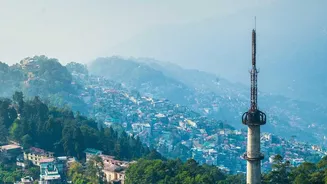
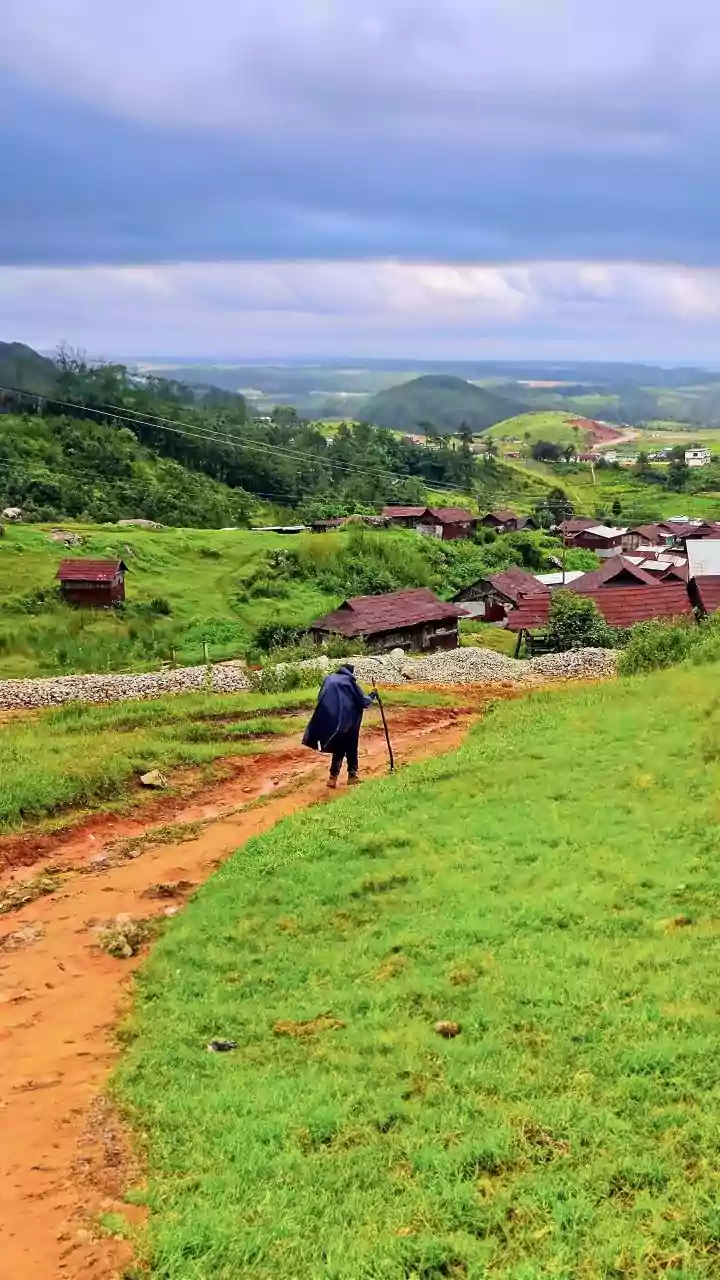
Hill stations in Himachal Pradesh and Uttarakhand are tempting in September as the landscape is spectacularly lush. By late September, many areas like Shimla and parts of Kinnaur offer clear skies and pleasant temperatures, making it ideal for trekking and road trips. However, early September can still be risky. Recent IMD bulletins have flagged the possibility of heavy rainfall and flash floods in districts like Kullu, Mandi, Shimla, and various parts of Uttarakhand including Nainital and Dehradun. These regions are historically prone to landslides during heavy rains. If you plan to visit, aim for the latter half of the month, continuously monitor weather alerts, and avoid travelling at night or during downpours.
South India: The Lush and Gentle Alternative
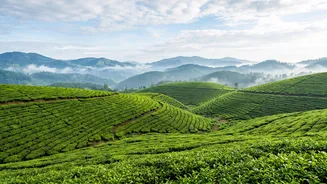
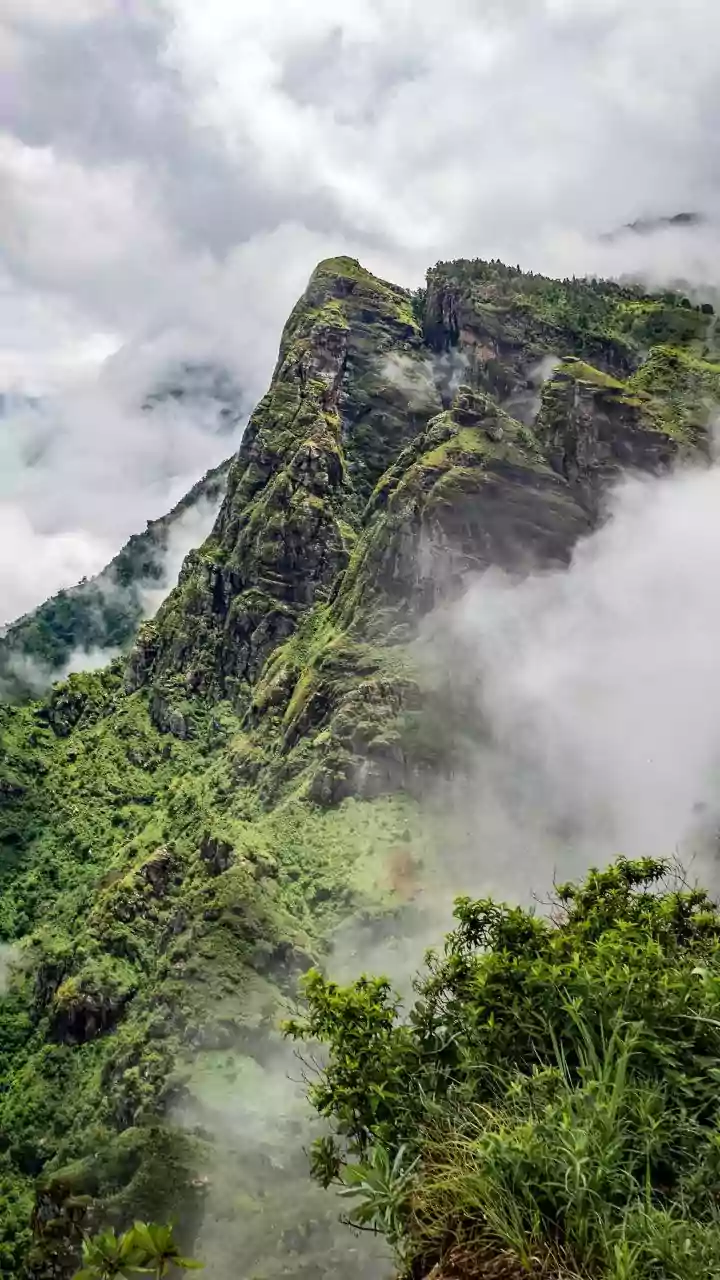
The Western Ghats and the Nilgiris offer a different, often safer, monsoon experience in September. Hill stations like Ooty, Coonoor, Munnar, and Wayanad are stunningly green, with waterfalls in full flow. Because the Nilgiris benefit from both the Southwest and Northeast monsoons, they retain their vibrant charm. While the western slopes can receive heavy rain, the risk of widespread, catastrophic landslides that affect the high Himalayas is generally lower. September is considered an excellent month for trekking in the Western Ghats, as the heaviest showers have passed, leaving misty, cool trails. It’s an ideal choice for those who want to embrace the romance of the rain without the extreme risks.
Your Monsoon Hill Travel Kit
Packing correctly is non-negotiable for a September hill trip. The key is layering and waterproofing. Start with quick-dry synthetic clothing, as cotton stays damp in the high humidity. A reliable waterproof and windproof jacket is essential, more so than an umbrella which can be useless in mountain winds. Sturdy, waterproof footwear with good grip is crucial for navigating slippery paths. Also, pack a waterproof cover for your backpack and use dry bags or zip-lock pouches for all electronics, documents, and wallets. A basic first-aid kit, insect repellent, any personal medications, and a power bank are must-haves. Given the cool evenings, a light fleece jacket or woollen sweater will be your best friend.
Safety First: A Non-Negotiable Checklist
Beauty should never overshadow safety. Before and during your trip, make checking official weather advisories a daily habit. Many hill roads are vulnerable to landslides and flash floods, so avoid driving on them after dark or during heavy rain. If you're not an experienced hill driver, hiring a local taxi is a much safer bet. Always keep a buffer of one or two days in your itinerary to account for unexpected road closures or delays. Inform your family or friends of your travel route and hotel details. Stay away from overflowing rivers and streams, as water levels can rise in seconds. By planning intelligently and respecting the weather, you can safely enjoy the unparalleled beauty of the hills in this magical transitional month.