





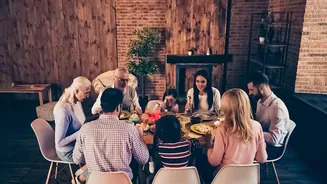


The scene is familiar: a bustling foreign café, a family wrangling tired kids, and a breakfast bill that quietly eats into your vacation budget. But what if your mornings started with ease, calm, and a lot more cash in your pocket?
The Real Cost of Eating Out
One of the biggest hidden
expenses on any international trip is food. While sampling local cuisine is a highlight, the daily cost of restaurant meals adds up quickly, especially for a family. Breakfast is a prime example. A simple café breakfast of pastries, juice, and coffee for a family of four can easily cost $50-$80 in major European cities like Paris, Rome, or London. In Copenhagen, that figure could be even higher. Over a ten-day trip, that's potentially $500 to $800 spent before your day's activities have even begun. This is where the humble kitchen or kitchenette in your vacation rental becomes your most valuable travel tool. By shifting just one meal a day—breakfast—from a restaurant to your rental, you can slash your food budget dramatically, freeing up funds for museum tickets, unique experiences, or that special souvenir.
The Simple Art of the Vacation Breakfast
Cooking on vacation doesn't have to mean slaving over a hot stove. The goal is simplicity and minimal cleanup. Most vacation rentals come with basic cookware, but the best breakfast menus require little more than a bowl or a single pan. Think scrambled eggs and toast with local jam, or a pot of oatmeal topped with fresh fruit from a neighborhood market. Yogurt parfaits layered with granola and berries are another no-cook favorite that feels like a treat. For grab-and-go options on busy sightseeing days, you can prepare hard-boiled eggs, pack bagels with cream cheese, or make simple sandwiches. The idea is to create satisfying, low-effort meals that get your family fed and out the door without the stress and expense of a restaurant.
Mastering the Foreign Grocery Store
Your first trip to a foreign grocery store is an adventure in itself. To make it a success, a little planning goes a long way. Before you go, make a simple list of breakfast staples: eggs, milk, bread, butter, yogurt, and some fruit. Use a translation app on your phone to look up key terms if you don't speak the language. When you arrive, observe what other shoppers are doing. In many European stores, you may need to weigh your own produce and print a price sticker before heading to the checkout. Also, remember to bring your own reusable bags, as many countries charge for them or don't provide them at all. Focus on buying only what you need for a few days to avoid waste, especially with fresh items. That first grocery run provides not just your breakfast ingredients, but also a fun, authentic cultural experience.
Beyond the Budget: More Benefits to Eating In
While the financial savings are significant, the perks of making your own breakfast extend much further. For families with picky eaters or children with allergies, having control over the menu is a massive stress reducer. You know exactly what’s in the food, and you can cater to everyone’s preferences without a complicated restaurant order. Mornings become more relaxed. There's no need to rush everyone out the door to find a place to eat; kids can wake up at their own pace while you enjoy a quiet cup of coffee. It creates a comfortable home-base ritual that can ground your family's day, making the entire travel experience feel less hectic and more like a true vacation. This simple routine provides a slice of normalcy and comfort amid the excitement of exploring a new place.