








The Footprint Problem
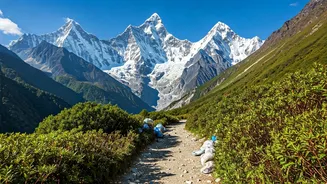
For years, the rise of trekking in India's most picturesque valleys, from Kashmir to Uttarakhand, brought economic benefits but also a hidden cost. The very beauty that attracted thousands was under threat from the plastic wrappers, bottles, and other
non-biodegradable waste left behind on trails. This surge in tourism placed immense pressure on delicate ecosystems, leading to soil erosion, water contamination, and disruption of wildlife. Overcrowding on popular routes during peak seasons only magnified the issue, straining local resources and infrastructure in regions like Himachal Pradesh. The challenge became clear: how to allow people to experience these natural wonders without destroying them for future generations.
A New Ethic on the Trail
In response, a powerful movement towards responsible trekking has taken root. At its heart is the 'Leave No Trace' (LNT) philosophy, a set of principles guiding trekkers to minimize their impact. This ethic is now being championed by a growing number of trekking companies and conscious travelers. The core idea is simple: take only memories, leave only footprints. This means everything you carry in, you must carry out—including all your waste. It's a shift from being a passive tourist to an active steward of the environment. This growing awareness is supported by government initiatives, with plans announced to develop ecologically sustainable mountain trails in Jammu & Kashmir, Himachal Pradesh, and Uttarakhand to promote low-impact tourism.
Waste as a Collective Responsibility
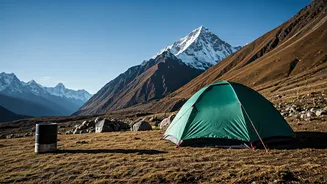
A key pillar of this new movement is proactive waste management. Many trekking organizations now provide trekkers with eco-bags to collect their own litter and any other trash they find along the way. Some groups have organized large-scale clean-up drives on popular trails, removing tonnes of garbage in collaboration with local NGOs and communities. The focus is also on reducing waste at the source. Trekkers are encouraged to avoid single-use plastics by carrying reusable water bottles with filters, packing food in reusable containers, and opting for eco-friendly gear. On-site solutions are also emerging, such as using bio-toilets at campsites to manage human waste hygienically and prevent water pollution.
Putting Local Communities First
Responsible trekking extends beyond environmental care to social and economic sustainability. The new model emphasizes community-based tourism, which ensures that the economic benefits of trekking directly reach the people who call the mountains home. This involves hiring local guides and porters, staying in village homestays, and buying local produce and handicrafts. This approach not only provides a vital source of income for remote communities but also offers trekkers a more authentic cultural exchange. By engaging respectfully with local customs and traditions, trekkers foster a positive relationship that helps preserve the unique cultural heritage of these valley regions.
How You Can Be a Responsible Trekker
Joining this movement is easier than you think. Start by choosing trekking companies that have clear and transparent responsible tourism policies. Before you go, prepare by packing mindfully: bring a reusable water bottle, a small bag for your trash, and biodegradable toiletries. While on the trail, always stick to the marked paths to prevent soil erosion and avoid disturbing vegetation. Respect wildlife by observing from a distance and keep noise levels low to preserve the tranquility of the environment. Engage with the local culture with curiosity and respect, asking for permission before taking photographs of people. By making these conscious choices, your journey into the valleys becomes a force for good, ensuring these incredible landscapes thrive for years to come.