


What Exactly Is Japandi?
At its core, Japandi is a design hybrid, a beautiful fusion of Japanese and Scandinavian aesthetics. Think of it as the perfect marriage between the rustic minimalism of Japanese design philosophy (wabi-sabi, which finds beauty in imperfection) and the clean,
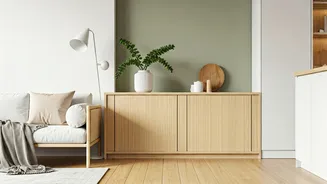
functional warmth of Scandinavian style (hygge, which evokes a sense of cosy contentment). It’s not about having less for the sake of it; it's about having the right things — items that are beautiful, functional, and meaningful. The result is a look that is minimalist yet warm, modern yet timeless, and sophisticated yet utterly inviting. It prioritises clean lines, uncluttered spaces, and a calm, neutral colour palette, but infuses it with textures and natural materials that make a house feel like a home.
A Philosophy of Simplicity and Soul
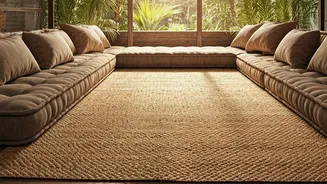
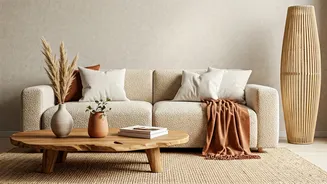
But Japandi is more than just a visual style; it's a philosophy. It champions a move away from fast-furniture and disposable decor towards mindful consumption and sustainable choices. The emphasis is on craftsmanship, longevity, and natural materials. Think light-coloured woods like oak and maple (Scandi) paired with darker woods like stained cedar or walnut (Japanese). Add to that a rich tapestry of textures: rough-hewn ceramics, soft linen throws, woven jute rugs, and bamboo accents. This style encourages us to curate our spaces with intention, choosing pieces that not only look good but also tell a story and are built to last. It’s a direct response to our busy, chaotic world, offering a way to create a personal sanctuary that promotes peace and tranquillity.
Enter the Vintage Trunk
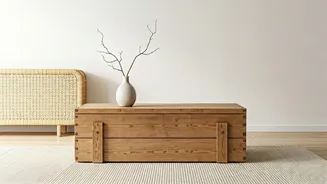
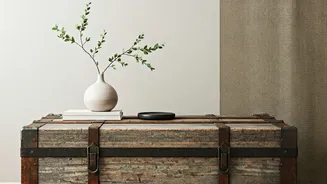
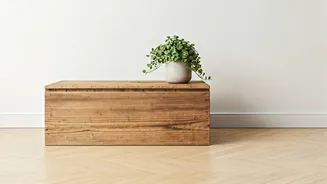
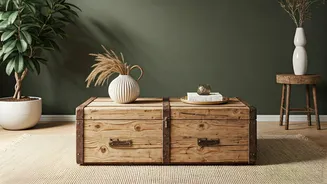
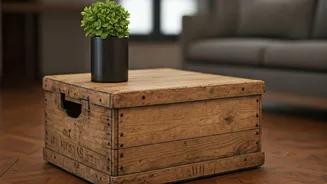
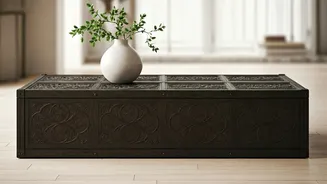
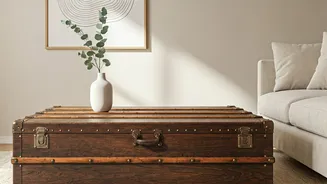
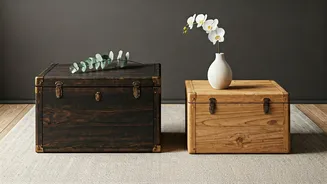
This brings us to the vintage trunk, which has emerged as the unofficial mascot of the Japandi-adjacent ethos. Why is this old-world item suddenly the perfect coffee table for a modern home? Because it embodies every principle of the trend. A vintage trunk is, by definition, a piece of history. Its scuffs, scratches, and patina are a testament to its journey — a perfect example of wabi-sabi. It's incredibly functional, offering a stylish surface while providing hidden storage to help maintain that all-important clutter-free look. Often made from solid wood and metal, it’s a piece of enduring craftsmanship. Most importantly, using a vintage trunk is an act of sustainable design. By upcycling a pre-loved item, you are rejecting throwaway culture and bringing a unique, story-filled object into your home. It’s not just a coffee table; it’s a conversation starter and a anchor of character in a minimalist space.
Bringing the Look Home
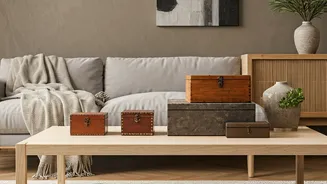
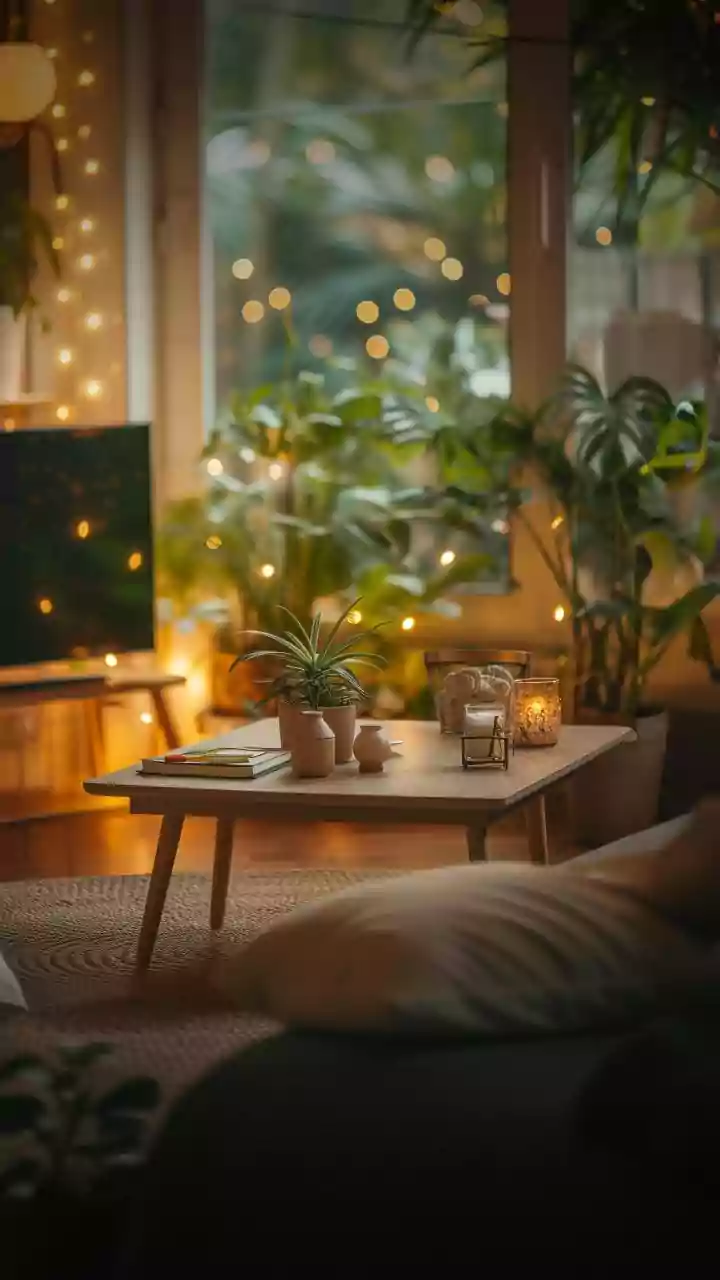
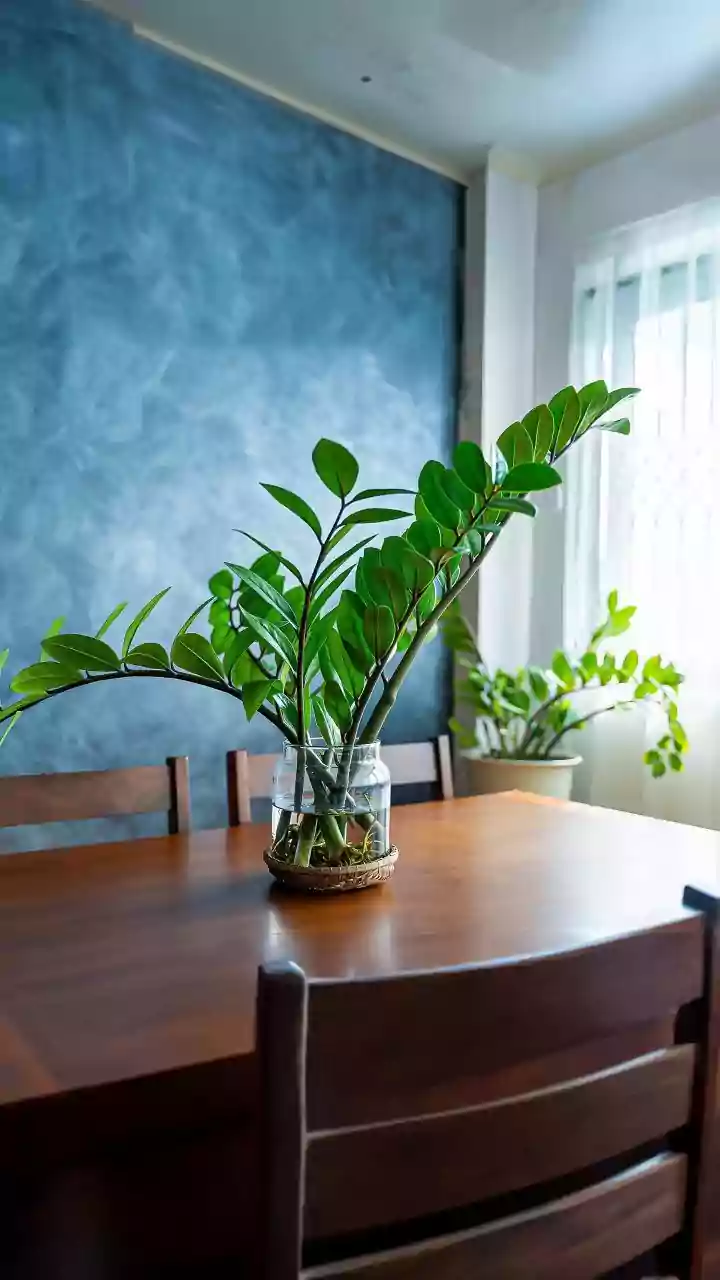
Adopting this style doesn't require a complete overhaul. You can start small. Begin by decluttering your space with intention, keeping only the things you truly love or need. Focus on a muted colour palette built on shades of cream, beige, oatmeal, and stone grey, but don't be afraid to introduce contrast with accents of black, indigo, or earthy green. The key is to add warmth and interest through texture. Swap out synthetic fabrics for natural ones like cotton, wool, and linen. Introduce plants to bring life and a touch of nature indoors. And instead of buying a generic coffee table, consider searching local antique shops or your own family storage for a piece with history, like a sturdy old trunk, that can become the soulful centrepiece of your living room.