






The Science of Muscle Recovery
Every intense workout creates microscopic tears in your muscle fibers. The soreness you feel, often called delayed onset muscle soreness (DOMS), is a result of this damage and the subsequent inflammation as your body begins to repair itself. This repair process
is what makes your muscles stronger and more resilient over time. Effective recovery isn't just about rest; it’s about providing your body with the right nutritional building blocks to mend that tissue efficiently. This requires two key things: adequate protein to repair the muscle fibers and anti-inflammatory compounds to manage soreness and swelling.
Tofu: The Complete Protein Builder
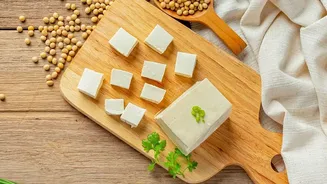
Tofu, made from condensed soy milk, is a powerhouse for muscle recovery. Unlike many plant-based options, soy is a complete protein, meaning it contains all nine essential amino acids that your body needs for muscle repair. This includes a significant amount of leucine, an amino acid that plays a crucial role in triggering muscle protein synthesis, the process of rebuilding muscle. While some animal proteins like whey might be absorbed faster, tofu provides a steady supply of amino acids that supports sustained recovery without causing digestive discomfort. Its high digestibility rate ensures your body can efficiently use the protein to get the job done. Furthermore, tofu is naturally low in saturated fat and cholesterol-free, making it a heart-healthy choice.
Seeds: Tiny Giants of Recovery
Seeds may be small, but they are packed with nutrients that are vital for post-workout recovery. Flax, chia, and hemp seeds are particularly beneficial due to their high content of omega-3 fatty acids. These healthy fats are known for their potent anti-inflammatory properties, which can help reduce muscle soreness and swelling after exercise. Beyond healthy fats, seeds offer a wealth of minerals. Pumpkin seeds are rich in magnesium and zinc, which are essential for muscle function, tissue repair, and preventing cramps. Chia seeds can absorb many times their weight in water, aiding hydration, while hemp seeds provide a bonus of complete protein. Combining different seeds provides a broad spectrum of nutrients that support recovery in multiple ways.
The Meal Prep Advantage
Knowing what to eat is one thing; having it ready when you need it is another. This is where meal prepping becomes a crucial part of the strategy. After a workout, your body is primed to absorb nutrients, and having a balanced meal on hand prevents you from reaching for less healthy, convenient options. Meal prepping allows you to control portion sizes and ensure a consistent intake of the high-quality protein and micronutrients your body needs to recover and adapt. It removes decision fatigue, saves time, and creates a structured routine that aligns with your fitness goals. By preparing dishes with tofu and a mix of seeds in advance, you guarantee your muscles get the fuel they need, right when they need it most.
Putting It All Together: A Simple Meal Idea
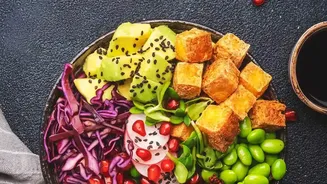
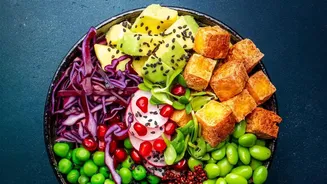
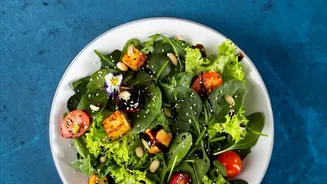
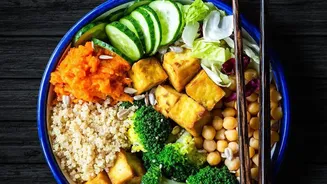
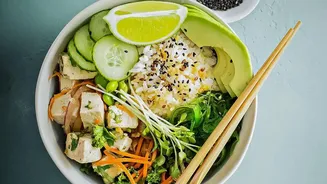
Creating a recovery-focused meal is simple. Start with a base of firm, pressed tofu, which you can bake, stir-fry, or scramble. For a quick and delicious bowl, cube a block of extra-firm tofu and bake it with a little soy sauce and spices until golden. Serve it over a bed of quinoa or brown rice. Then, for the seed component, create a simple dressing by mixing tahini (made from sesame seeds) with lemon juice and water, or simply sprinkle a tablespoon of mixed hemp, chia, and pumpkin seeds over the top. This combination delivers the complete protein from tofu and quinoa, anti-inflammatory fats from the seeds, and complex carbohydrates to replenish your energy stores, creating a perfect, well-rounded recovery meal.