








The Science of Rainy Day Smells
The primary culprit behind that intensified litter box smell during the rains is humidity. Cat urine contains a compound called urea, which is odourless on its own. However, bacteria in the litter box break down this urea into ammonia, the chemical responsible
for the sharp, unpleasant smell. High humidity in the air, a hallmark of the Indian monsoon, supercharges this process. Moisture acts as a catalyst, allowing bacteria to flourish and produce ammonia much faster. Furthermore, the humid air itself is denser with water molecules, which trap and hold onto these odour particles, making the smell linger and seem more pervasive throughout your home.
More Than Just an Odour
A smellier litter box isn't just an inconvenience; it can pose health risks for your cat. Cats are meticulously clean animals. If they find their toilet area to be unpleasantly damp or smelly, they might start avoiding it. This can lead to them holding their urine, which increases the risk of painful and potentially dangerous urinary tract infections (UTIs) and bladder issues. In some cases, they might find an alternative, and less appropriate, spot to relieve themselves. Moreover, the constant presence of high ammonia levels in a confined space can irritate a cat's respiratory system, especially for kittens, senior cats, or those with conditions like asthma.
Your Monsoon Litter Management Plan
Combating monsoon litter box odour requires a more aggressive strategy than what works in drier months. The single most effective change is to increase your scooping frequency. Aim to scoop at least twice a day to remove waste before it has a chance to break down and release strong odours. During the rainy season, you may also need to do a full litter change and wash the tray more often—perhaps weekly instead of every two weeks. When you wash the tray, dry it completely before refilling it; any residual moisture will only contribute to the problem. A break in the clouds is a perfect opportunity to sun-dry the tray, as sunlight is a natural disinfectant.
Strategic Tweaks for a Fresher Home
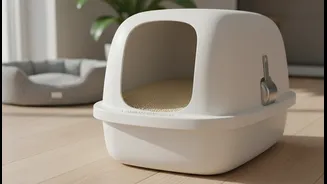
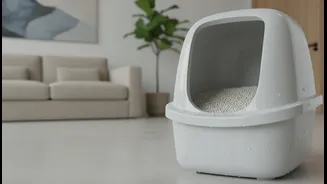
A few simple adjustments can make a big difference. First, consider the location. Place the litter box in a well-ventilated area, avoiding small, enclosed spaces like bathrooms or closets where humidity can get trapped. Using an open tray rather than a covered one can also improve airflow. You can add a natural deodoriser to the box; a thin layer of baking soda sprinkled on the bottom of the tray before you add litter can help absorb both moisture and smells. Activated charcoal placed near the box is another excellent option for absorbing airborne odours. Finally, if possible, running a dehumidifier in the room with the litter box can help pull excess moisture from the air, creating a less hospitable environment for odour-causing bacteria.
Choosing the Right Litter Matters
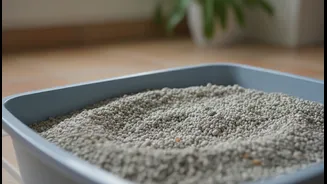
Not all cat litters perform equally well in high humidity. Traditional clumping clay litters can become saturated by moisture in the air, leading to weaker clumps that break apart when you scoop, leaving behind small, soiled particles. Litters with superior moisture absorption are a better choice for the monsoon. Silica gel crystals are excellent at trapping moisture and inhibiting bacterial growth. Some natural options like pine or wood pellets are also very absorbent. However, some plant-based litters like corn or wheat can be susceptible to mould in damp conditions if not maintained meticulously, so diligence is key.