




The Commercialisation of Low-Earth Orbit
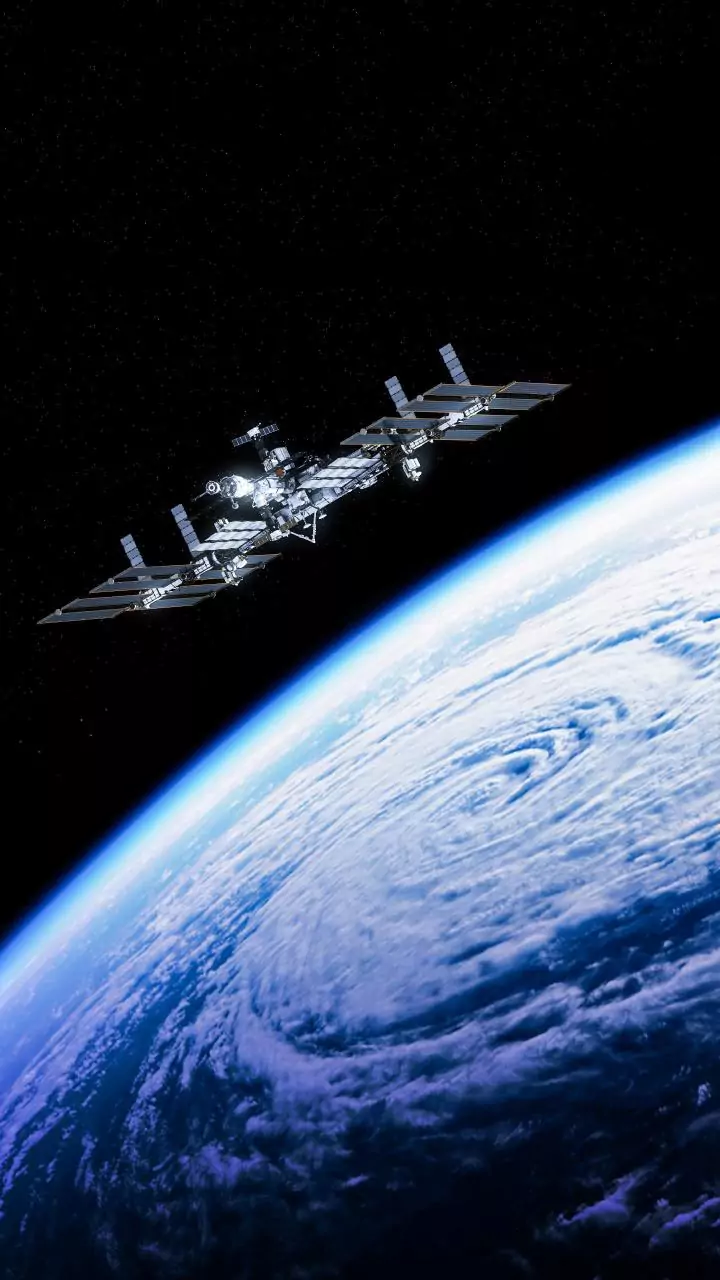
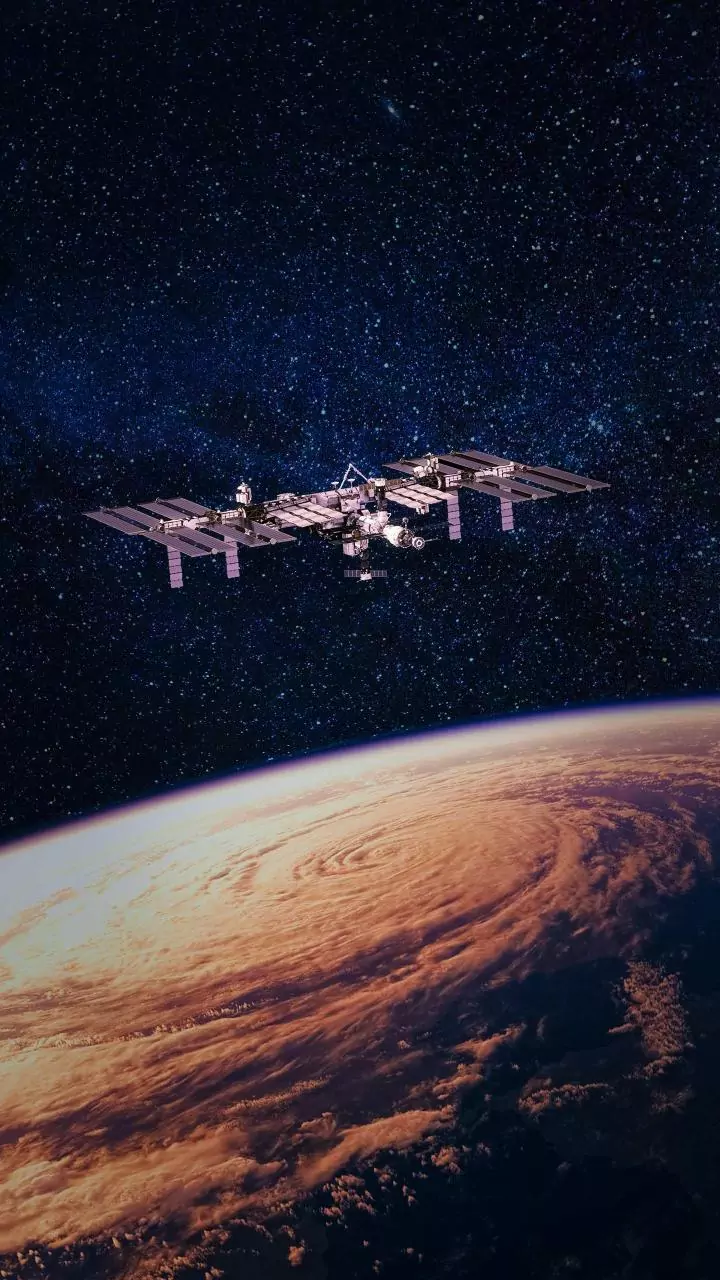
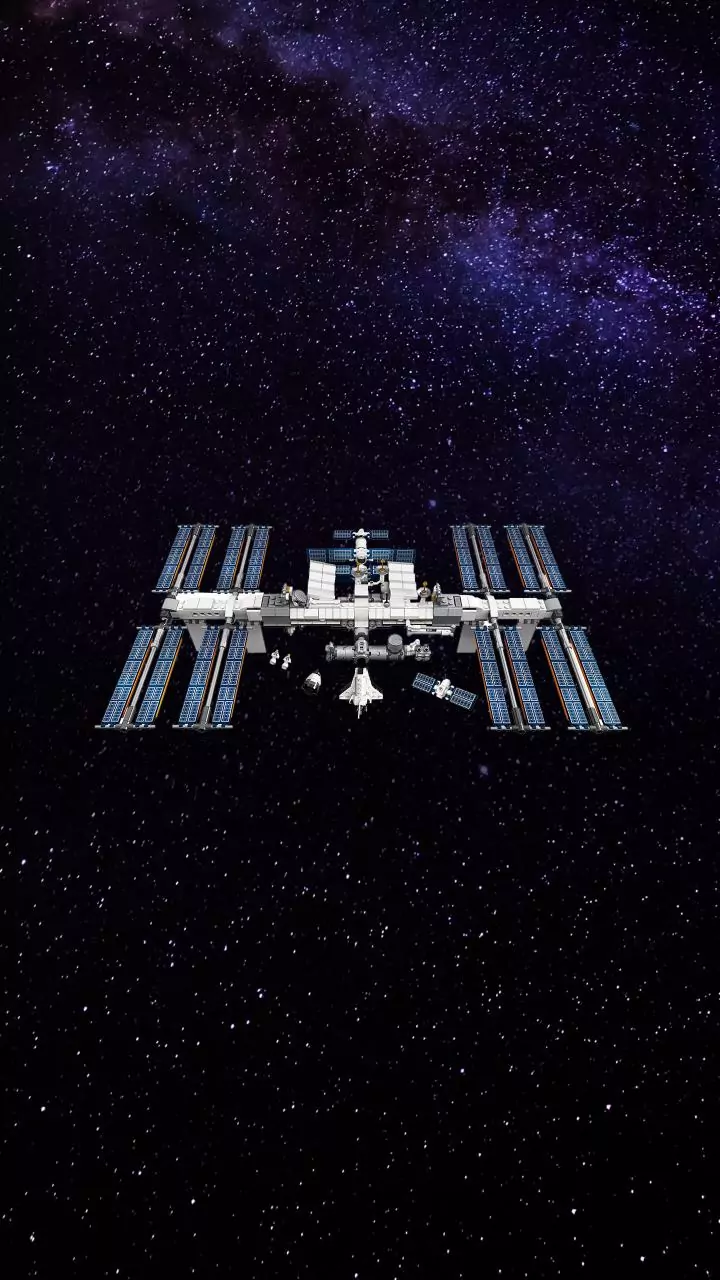
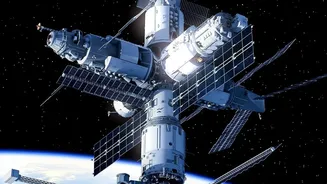
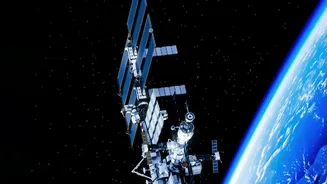
For over two decades, the International Space Station has been humanity's lone outpost in orbit, a monumental achievement of government collaboration and public funding. But its operational life is scheduled to end around 2030. Instead of building a successor,
NASA is pivoting to a new model: becoming a customer. The agency plans to buy services and lease space from commercial providers, a strategy that mirrors its successful handover of crew and cargo transport to private companies. This move is designed to foster a self-sustaining economy in low-Earth orbit (LEO), where multiple private stations will host a diverse clientele for research, manufacturing, and even tourism. Companies like Vast, Axiom Space, and a partnership between Blue Origin and Sierra Space are all developing commercial destinations to meet this demand.
Why Inflatable Habitats Are a Game Changer
A key enabling technology for this new commercial era is the inflatable habitat. Unlike traditional rigid metallic modules, which are limited by the size of a rocket's payload fairing, inflatable structures can be launched in a compact, folded state and then expanded in orbit to create voluminous living and working spaces. This offers a massive advantage in packaging efficiency, providing more interior volume for less launch mass—a critical factor in the economics of space. Materials science has made these 'softgoods' exceptionally robust. Made from layers of advanced fabrics like Vectran, a polymer fiber five times stronger than steel, these modules are designed to be highly resilient to the harsh environment of space, including micrometeoroid impacts. Companies like Sierra Space are rigorously testing their Large Integrated Flexible Environment (LIFE) modules, subjecting them to burst pressure tests that exceed NASA's safety requirements, proving their readiness for human occupants.
The Multi-Billion Dollar Business of Microgravity
What will people do inside these orbiting commercial outposts? A primary driver is the market for microgravity research. The near-weightless environment of LEO offers a unique laboratory that is impossible to replicate on Earth. Industries from pharmaceuticals to advanced materials stand to benefit. For example, protein crystals grow larger and with greater purity in microgravity, which could accelerate drug development. Other research areas include creating exotic metal alloys, producing flawless semiconductor materials, and developing new applications in biotechnology. With the ISS oversubscribed, private stations will provide much-needed capacity for universities, biotech firms, international space agencies, and private companies to conduct experiments that could lead to breakthroughs on Earth.
The Key Players Building Our Future in Orbit
Several well-funded companies are racing to be the first to establish a permanent commercial presence in orbit. Axiom Space is taking an incremental approach, planning to first attach its modules to the ISS before separating to become a free-flying station later this decade. The company has already flown several private astronaut missions to the ISS. Vast plans to launch Haven-1, a single-module station, as early as 2027. Perhaps the most ambitious vision comes from the partnership of Blue Origin and Sierra Space, whose Orbital Reef concept is billed as a 'mixed-use business park' in space. Sierra Space's LIFE inflatable habitat is a cornerstone of this project, designed to be a three-story structure in orbit with room for four astronauts, science labs, and even an 'astro garden'.
Hurdles on the Path to a LEO Economy
Despite the immense promise, the road to a thriving LEO economy is not without challenges. Securing the necessary long-term funding, beyond initial NASA seed money, remains a primary concern for these capital-intensive projects. The timeline is also tight; a gap between the ISS decommissioning in 2030 and the full operational readiness of commercial replacements could leave the U.S. without a human presence in LEO for the first time in decades. This has been flagged as a national security concern, especially with China's Tiangong space station already operational and open to international partners. Furthermore, these new stations must undergo a rigorous certification process to be rated for human use and prove they can create a sustainable market beyond NASA's anchor tenancy.