



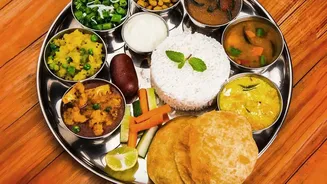


The Quintessential Fasting Meal: Sabudana Khichdi
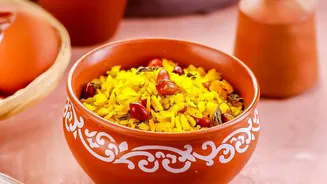
No Sawan fast feels complete without a bowl of fluffy Sabudana Khichdi. Made from tapioca pearls, this dish is the undisputed star of vrat cuisine across India. The pearls are soaked until soft, then tossed in ghee with cumin seeds, boiled potatoes, green
chillies, and a generous helping of roasted peanuts. It's light on the stomach, provides a quick burst of energy from carbohydrates, and is incredibly satisfying, making it a beloved choice for breaking the day's fast. Many households have their own special touch, but the core combination of soft sabudana and crunchy peanuts remains a classic.
The Festive Sweet: Ghevar
As the monsoon clouds gather, sweet shops across northern India, especially in Rajasthan, begin to display glistening discs of Ghevar. This traditional dessert is deeply associated with the Sawan month and the festivals of Teej and Raksha Bandhan that fall within it. Made by deep-frying a batter of flour and ghee to create a delicate, honeycomb-like texture, it is then soaked in sugar syrup. Often topped with rabri (thickened sweet milk) or nuts, Ghevar is more than just a sweet; it’s a symbol of celebration and is often gifted to married daughters and sisters.
The Vrat Staple: Kuttu ki Puri
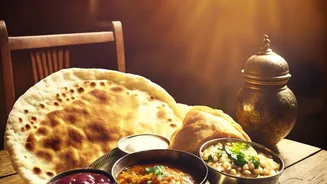
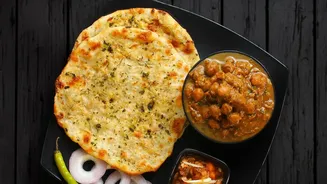
When regular grains like wheat are avoided during fasting, buckwheat flour, or Kuttu ka Atta, comes to the rescue. Kuttu ki Puri is a staple bread for Sawan meals. This dark, nutty-flavoured flour is mixed into a dough, rolled into small discs, and deep-fried to create crispy, fluffy puris. They are the perfect accompaniment to a simple, sattvic potato curry (Vrat wale Aloo) cooked with cumin and rock salt instead of regular table salt. Rich in protein and fibre, these puris are not only delicious but also keep you feeling full and energised during the fast.
The Indulgent Pancake: Malpua
Malpua is one of India’s most ancient sweets, with origins tracing back to the Vedic period where it was known as 'apupa'. During Sawan, this sweet pancake becomes a celebratory treat in many parts of the country, particularly in Bihar, Uttar Pradesh, and Punjab. A batter of flour, milk, and sometimes mashed banana is deep-fried in ghee and then dipped in fragrant sugar syrup. Often flavoured with fennel and cardamom, Malpua is a rich, decadent dessert that is sometimes offered as prasad to Lord Shiva, believed to be one of his favourite sweets.
The Pious Pudding: Makhana Kheer
Makhana, or fox nuts, are a powerhouse of nutrients and a popular fasting ingredient. Makhana Kheer is a creamy, comforting dessert that is both nutritious and vrat-friendly. The fox nuts are lightly roasted in ghee until crisp, then simmered in milk until it thickens. Sweetened with sugar and flavoured with cardamom and saffron, this kheer is often garnished with sliced almonds and pistachios. It’s a light, guilt-free dessert that fits perfectly into the sattvic diet philosophy of Sawan, offering comfort and nourishment in every spoonful.
The Seasonal Wisdom: Lauki ki Sabzi
Sawan's food wisdom is also rooted in Ayurveda, which recommends eating light, easily digestible foods during the monsoon when the digestive fire is considered weaker. Bottle gourd, or lauki, fits this description perfectly. Lauki ki Sabzi, a simple curry made without onion or garlic, is a common dish in fasting households. Cooked with tomatoes, ginger, and cumin, it’s a hydrating and soothing preparation that’s easy on the stomach. It represents the practical, health-conscious side of Sawan food traditions, aligning spiritual discipline with seasonal wellness.
The Savoury Snack: Falahari Aloo Tikki
For those craving a savoury snack in the evening, Falahari Aloo Tikki is a popular choice. 'Falahari' refers to food that can be consumed during a fast. These tikkis are made from a mixture of boiled, mashed potatoes, and a binding flour suitable for vrat, such as buckwheat (kuttu) or water chestnut (singhara) flour. Spiced with green chillies, ginger, and rock salt (sendha namak), these patties are shallow-fried in ghee until golden and crisp. Often served with a side of yogurt or a simple coriander chutney, they are a delicious and filling snack to enjoy during the rainy Sawan evenings.