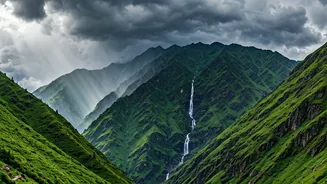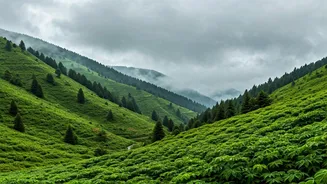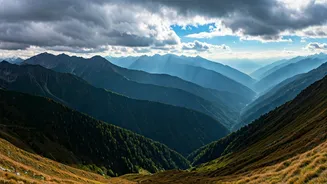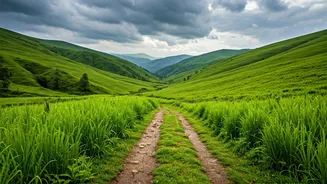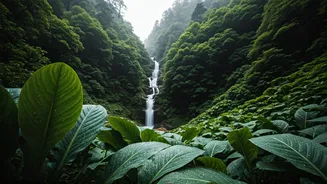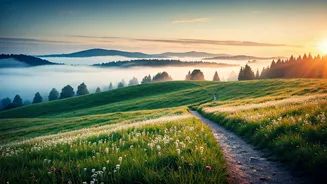



Why the Monsoon Rush?
The perception of monsoon travel in India is changing. Once seen as a period to avoid, it's now becoming a preferred window for many. Data from travel platforms reveals a significant spike in interest for mountain getaways. For instance, Zostel reported
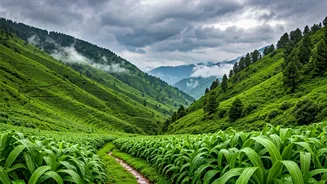
a 76% jump in bookings for its Shimla properties compared to the previous year, with destinations like Srinagar and Tirthan Valley seeing a 95% increase in visitors. This shift is driven by travellers seeking lush green landscapes, respite from city heat, and fewer crowds than the peak winter season. Interestingly, many of these are spontaneous trips, with nearly half of the bookings made just three days before travel. This trend highlights a move towards experience-led travel, where the unique, rain-washed beauty of a destination is the main attraction.
Hotspot: The Spiritual Surge in Uttarakhand
Uttarakhand is emerging as a major hub for monsoon tourism, particularly the towns of Rishikesh and Mussoorie. According to search data from Booking.com, Rishikesh has leaped from the 18th to the 3rd most-searched domestic destination, with a staggering 200% increase in searches year-on-year. Mussoorie isn't far behind, climbing to 6th place with a 160% growth in searches. Travellers are drawn to the spiritual ambiance of Rishikesh, amplified by the rain-fed Ganges, and the misty, colonial charm of Mussoorie’s hills. However, travellers should be cautious, as some parts of Uttarakhand are prone to landslides during heavy rains. Experts suggest sticking to the 'green zone' which includes destinations like Rishikesh, Mussoorie, and the Kumaon region (Mukteshwar, Kausani), which are generally more stable.
Himachal Pradesh: Classic Hills and Hidden Gems
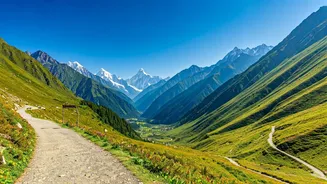
Himachal Pradesh remains a classic favourite, but travel patterns are evolving. While Shimla leads with a significant 76% rise in bookings, visitors are also venturing beyond the usual hotspots. This year, lesser-known villages like Dobhi (near Kullu), Rajgundha, and Kareri are gaining popularity, largely driven by social media buzz. These offbeat locations offer a quieter, more immersive experience of the Himachali monsoon. For those who prefer dry weather, the rain-shadow regions of Spiti Valley and Ladakh (technically a Union Territory) are perfect, offering clear skies and accessible roads from June to September, making them ideal monsoon-season destinations without the rain.
The Unmissable Experience: Valley of Flowers
For trekkers and nature lovers, one destination stands out, and it exists only because of the monsoon: The Valley of Flowers in Uttarakhand. This UNESCO World Heritage Site is open only from June to early October, with its peak bloom of over 500 species of wildflowers occurring between mid-July and mid-August. The journey to this high-altitude meadow is a key reason why seasoned travellers brave the rains. Booking accommodations and travel in advance is highly recommended for this specific trek, as its popularity and limited season mean that coveted spots fill up quickly.
How to Plan a Last-Minute Monsoon Trip
With trips selling out, securing a booking requires a smart approach. Since many travellers are booking spontaneously, focusing on weekdays rather than weekends can yield better availability and prices. Consider exploring the emerging destinations like Dobhi or Kausani, which may have more options than heavily booked places like Shimla or Mussoorie. Travel aggregators and platforms like Booking.com and Zostel are central to this trend, so monitoring them for cancellations or new listings can be effective. Always check weather alerts and road conditions, especially when heading into the mountains, and consider adding buffer days to your itinerary to account for potential travel delays.