








Why Your Spontaneous Trip Needs a Weather Check
Spontaneous trips are the stuff of legend, but arriving at your dream destination to find it hit by a severe storm is not. With weather patterns becoming more intense, from crippling heatwaves to sudden, heavy monsoon downpours, a quick check of the forecast
is no longer optional—it's essential. This is the core of 'travel adulting': swapping carefree impulsiveness for informed preparedness. It’s not about killing the fun; it's about ensuring your trip is memorable for the right reasons. The India Meteorological Department (IMD) provides crucial advisories that can mean the difference between a great vacation and a logistical nightmare, especially in regions prone to landslides or flooding during the monsoon. Being aware of potential weather hazards allows you to pack appropriately, adjust your itinerary, and, most importantly, stay safe.
Decoding the IMD's Colour-Coded Language
The IMD uses a simple four-colour system to communicate the severity of weather warnings, making it easy for anyone to understand the potential risk. Here’s a quick guide for travellers: Green (No Warning): All is well. Weather conditions are normal, and no advisories are needed. Proceed with your plans as scheduled. Yellow (Be Aware): This is a heads-up. Bad weather is possible and could disrupt your day-to-day activities. For travellers, this means keeping an eye on updates and being prepared for minor delays or changes to outdoor plans. Orange (Be Prepared): This is a serious alert. Extremely bad weather is expected, with the potential for disruptions in transport and power. An Orange alert might mean that your trek gets cancelled or roads to your destination are blocked. It's a signal to be ready to alter your plans significantly. Red (Take Action): This is the highest level of warning. When a Red alert is issued, it indicates a significant threat to life and property from severe weather conditions. All non-essential travel should be cancelled or postponed. Your safety is the priority.
The Modern Traveller’s Toolkit: IMD on Your Phone
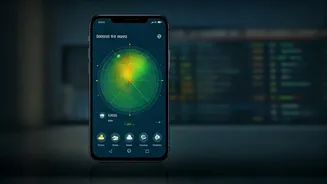
Getting these crucial updates is easier than ever. The IMD has made its services accessible through user-friendly mobile apps designed for the public. The primary app for any traveller is 'Mausam'. Available on both Android and iOS, Mausam provides current weather information for hundreds of cities, seven-day forecasts, and district-wise colour-coded alerts for the next five days. Its 'Nowcast' feature gives three-hourly warnings for local weather phenomena, which is incredibly useful for on-the-go planning. The app is designed to present information clearly, without heavy technical jargon, making it perfect for quick checks while you're packing or already on the road.
Beyond Rain: What Else to Look For
While monsoon rain is a major factor for travel in India, the IMD's forecasts cover a much wider range of phenomena. The department issues specific bulletins for heatwaves, cold waves, thunderstorms, fog, and dust storms. For those planning road trips, the IMD also offers specialised highway forecasts that can provide critical information about conditions on major routes. There are also dedicated forecasts for pilgrimage sites and tourist destinations, which can be invaluable when planning trips to places like the Char Dham yatra in Uttarakhand or other mountainous regions. These targeted updates warn of specific risks like landslides, flash floods, or slippery roads, allowing travellers and pilgrims to make safer choices.
From Forecast to Itinerary: A Practical Example
So, how does this work in practice? Imagine you're planning a trip to the Western Ghats during the monsoon. A week before you leave, you check the 'Mausam' app and see a Yellow alert for your destination, indicating a chance of heavy rain. You decide to pack extra waterproof gear and build some flexibility into your itinerary. A couple of days before your departure, the warning is upgraded to an Orange alert for extremely heavy rainfall. This prompts you to reconsider your planned jungle trek. You might switch it for a day exploring the local town, visiting indoor attractions, or simply enjoying the rain from a safe and dry cafe. If a Red alert is issued, you know it’s time to seriously consider postponing the trip to avoid getting stranded or putting yourself in danger. This proactive approach, guided by reliable information, is the essence of smart and responsible travel.