



First, What Is a Ramsar Site?
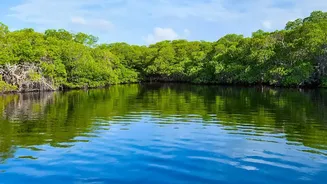
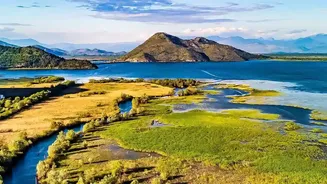
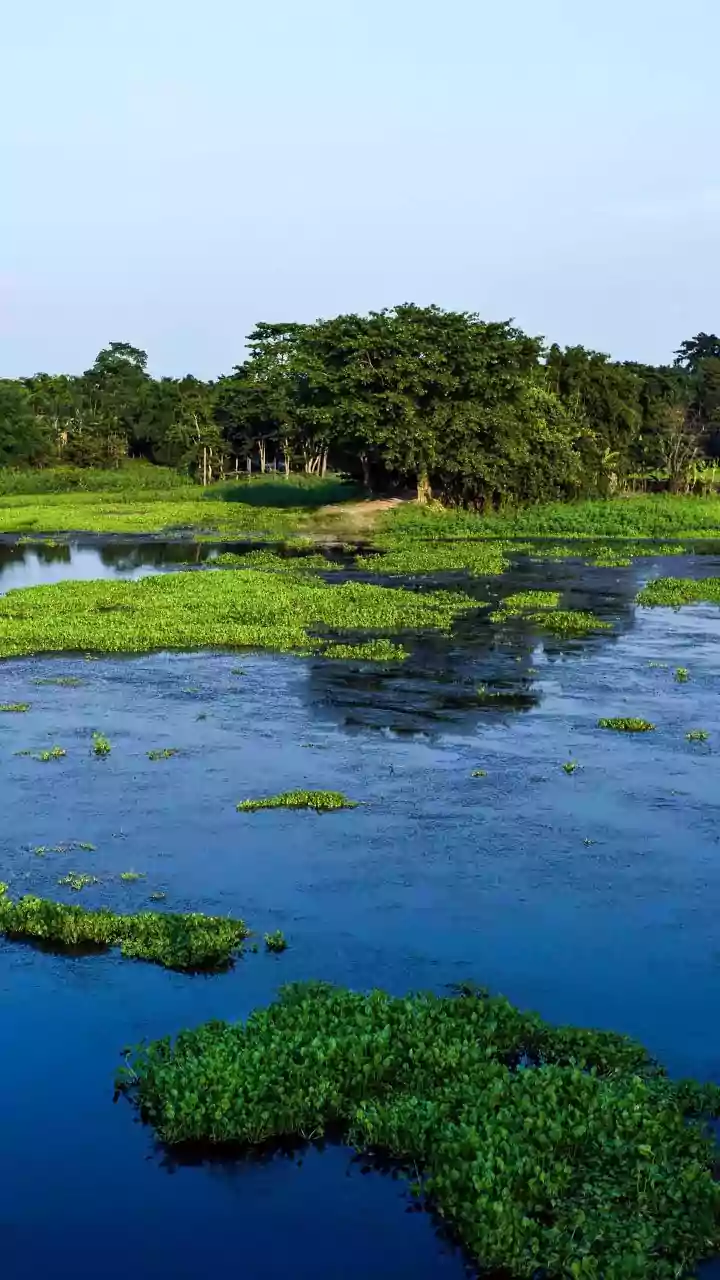
A Ramsar site is a wetland designated as being of international importance under an environmental treaty established in 1971 in Ramsar, Iran. This convention provides a framework for the conservation and 'wise use' of wetlands and their resources. When
a country designates a site, it commits to protecting its ecological character. To qualify, a wetland must meet at least one of nine criteria, which can relate to its support for vulnerable species, its importance for biodiversity, or its role in supporting significant numbers of waterbirds.
Meet India's Newest Addition: Glaw Lake
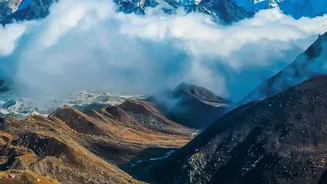
As of August 3, 2026, India's newest Ramsar site is Glaw Lake in Arunachal Pradesh, bringing the country's total to 101. Located within the Kamlang Tiger Reserve and Wildlife Sanctuary, this high-altitude lake is a pristine example of the unique ecosystems found in the Eastern Himalayas. The designation marks a significant step for conservation in the region, placing a spotlight on a remote and ecologically valuable area. As of August 2026, India boasts 101 Ramsar sites, covering an area of over 1.3 million hectares.
Why High-Altitude Wetlands Are So Important
Often called the 'water towers of the world', high-altitude wetlands, like those in the Himalayas, are critical ecosystems. Many are fed by glaciers and snowmelt, acting as the headwaters for Asia's major rivers, providing fresh water to millions downstream. They are also biodiversity hotspots. For example, Ladakh’s Tso Moriri, another high-altitude Ramsar site, is a key habitat for the endangered Black-necked Crane. These wetlands serve as vital stopovers for migratory birds and support unique flora and fauna adapted to harsh conditions, making them irreplaceable natural assets.
A Fragile Ecosystem Under Threat
Despite their importance, these 'heavens on earth' are incredibly fragile. Climate change is a primary threat, with rising temperatures accelerating glacier melt, altering water flows, and threatening the very existence of these wetlands. Unregulated tourism, pollution, infrastructure development, and unsustainable land use practices add further pressure. In regions like Ladakh, even military installations, while necessary for national security, can pose challenges to the delicate ecological balance. Less than a quarter of the Eastern Himalayas' original habitat remains intact, highlighting the urgency for conservation.
Conservation: A Path Forward
The Ramsar designation is more than just a label; it's a commitment to action. It brings international recognition and can unlock increased funding and scientific interest, bolstering conservation efforts. For sites like Glaw Lake, this means a management framework must be established to ensure its 'wise use,' balancing human needs with ecological preservation. This involves working with local communities, managing tourism sustainably, and developing strategies to mitigate the impacts of climate change. It represents a crucial step in a global effort to halt the worldwide loss of wetlands and protect these vital resources for future generations.