

The Allure of Authenticity
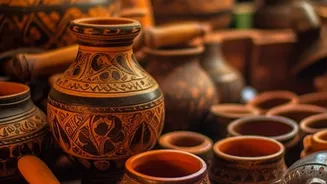
In an age dominated by digital filters and fleeting trends, younger decorators are craving authenticity. Terracotta, which means “baked earth” in Italian, offers just that. This ancient material, made from natural clay, has a timeless quality that feels
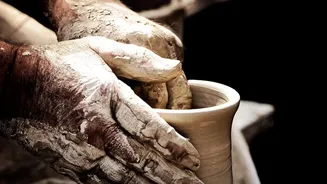
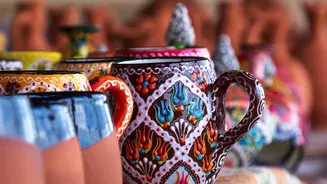
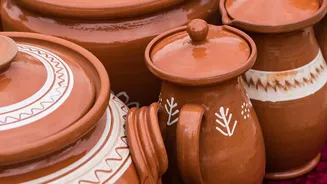
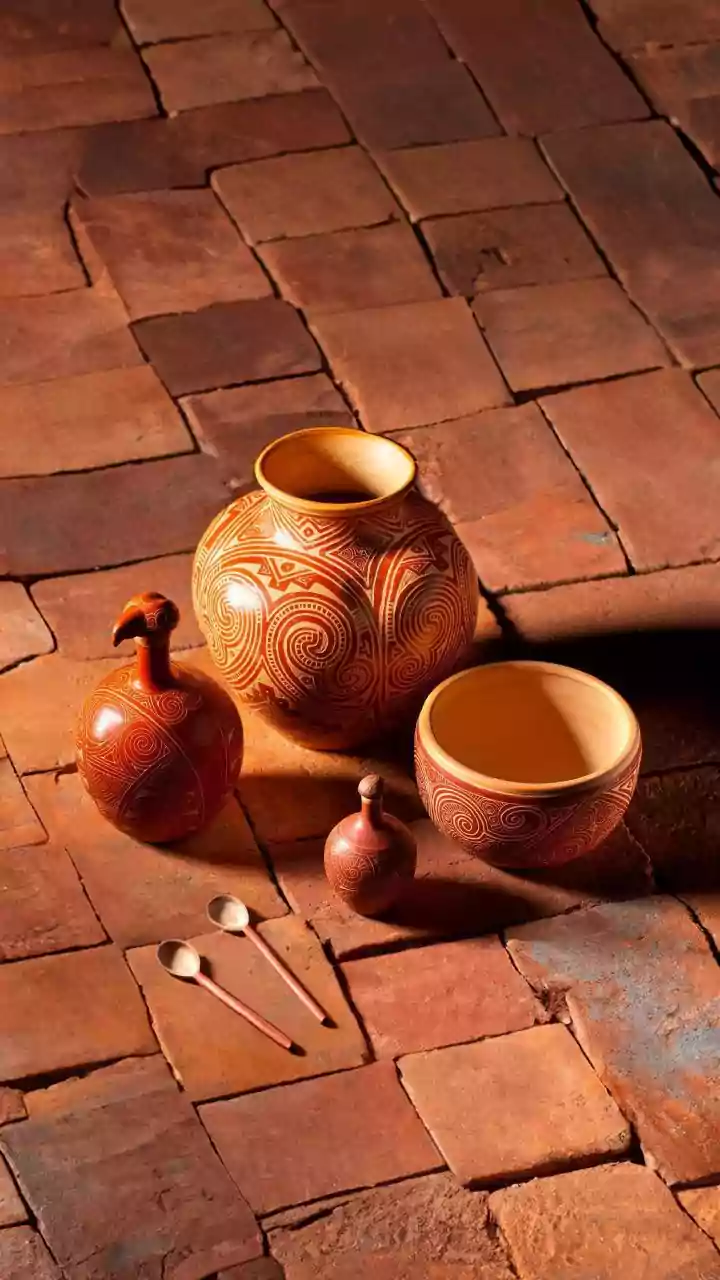
both grounded and genuine. Its warm, reddish-brown hues bring a sense of calm and nostalgia to a space, moving away from the cold, impersonal feel of plastics. Designers note that the embrace of natural materials like clay, wood, and stone is a direct response to our hyper-digital lives, fulfilling a desire for connection to the natural world. The unique, handcrafted imperfections in terracotta pieces also mean that no two items are exactly alike, appealing to Gen Z's appreciation for individuality and self-expression.
A Conscious Rejection of Plastic
This trend is about more than just aesthetics; it's a statement of values. Gen Z has grown up with a heightened awareness of environmental issues like plastic pollution. For this generation, sustainability is a key factor in purchasing decisions. Studies show that a significant portion of Gen Z consumers actively avoid brands that use excessive plastic packaging and are willing to pay more for sustainable products. Terracotta is an attractive alternative because it's a natural, biodegradable material with a low-energy production process compared to synthetic options. Choosing a terracotta planter or vase over a plastic one is a small but meaningful act of eco-conscious living, a principle that resonates deeply with this generation.
A Revival with Indian Roots
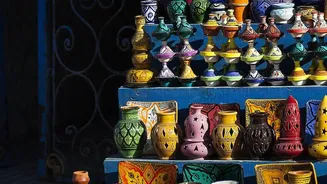
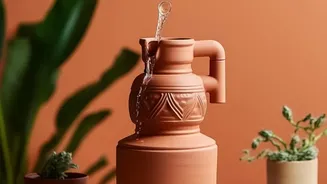
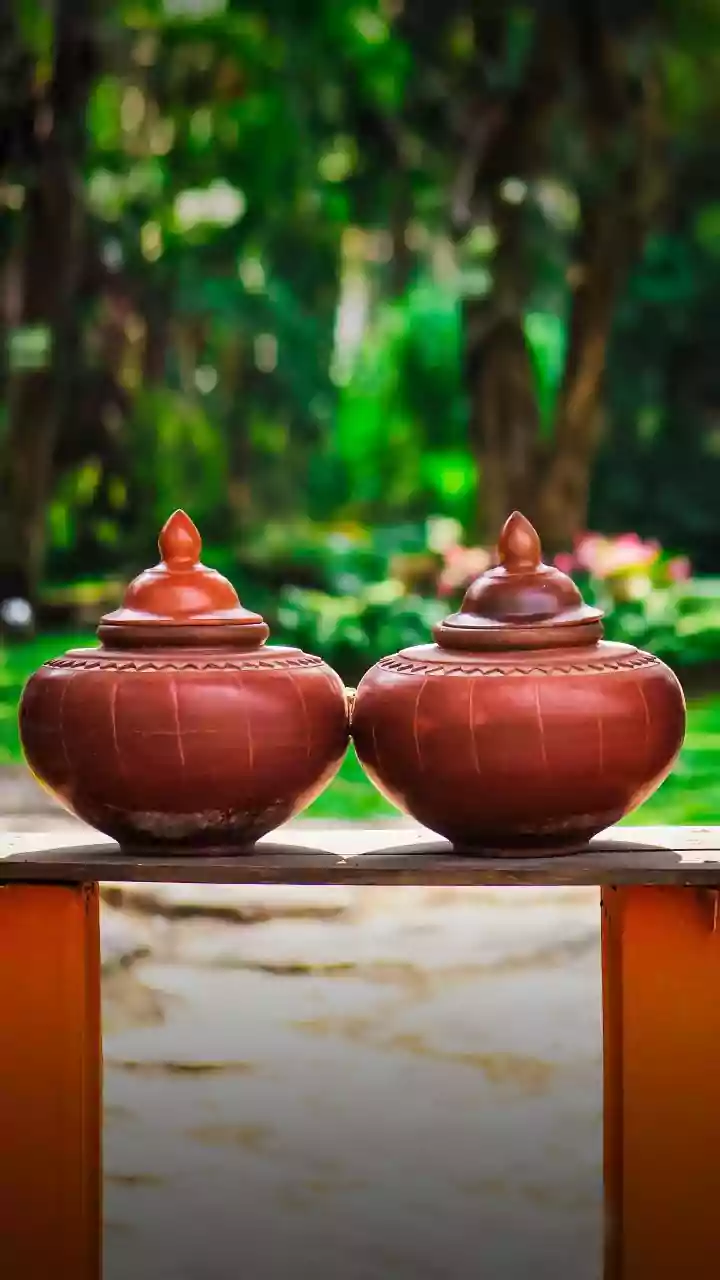
In India, the terracotta trend represents a modern revival of a deeply ingrained cultural tradition. For centuries, clay has been used to create everything from cooling water pots ('matkas') and 'jalis' (latticed screens) to 'diyas' and traditional cookware. This familiarity gives the material a special resonance. Contemporary Indian designers and homeowners are now reinterpreting these traditional elements for modern living spaces. A terracotta jali, once used only in courtyards, might now serve as a stylish partition in a living room or a feature on a balcony. Clay cookware is also seeing a resurgence for its health benefits and ability to enhance flavour. This blend of global trend and local heritage allows young Indians to connect with their roots while creating a stylish, climate-conscious home.
Versatile, Timeless, and Here to Stay
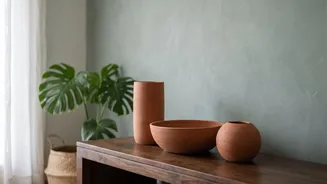
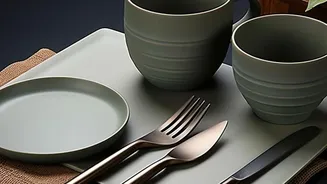
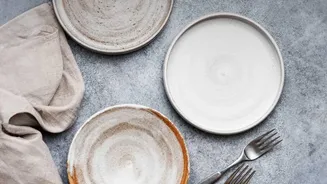
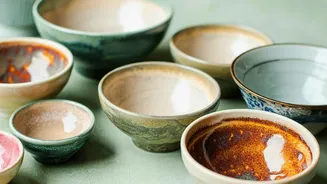
The versatility of terracotta is a key driver of its popularity. It’s not just for plant pots anymore. The material is being used for everything from dinnerware and decorative vases to light fixtures and even feature walls. Its earthy palette complements a wide range of design styles, from minimalist and modern to bohemian and rustic. It pairs beautifully with other natural materials like wood, jute, and linen, creating a layered, textured look. Because it’s a timeless material rather than a fleeting fad, investing in terracotta pieces feels like a wise choice. It adds character and warmth that won't feel dated in a few years, making it a sustainable choice for both the planet and the home.