






What Is This Ancient Superfood?
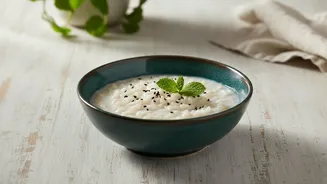
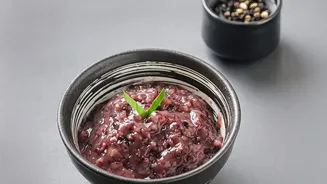
Pazhanthanji, also known as Neeraagaram or simply fermented rice porridge, is a humble yet powerful dish with deep roots in Southern India and other parts of Asia. At its core, it is leftover cooked rice soaked in water and left to ferment overnight at room
temperature. The next morning, this slightly tangy, soupy rice is traditionally mashed and consumed, often with additions like shallots, green chilies, buttermilk, or a pinch of salt. For generations, it was the go-to breakfast for farmers and laborers, prized for its ability to provide sustained energy for a long day of physical work and to cool the body in hot climates.
The Science of Fermentation
The magic of pazhanthanji lies in its fermentation process. When rice soaks overnight, naturally present lactic acid bacteria get to work, transforming the simple grain into a nutritional powerhouse. This process breaks down complex carbohydrates, making the porridge easier to digest and its energy more readily available to the body without causing sharp blood sugar spikes. More importantly, fermentation dramatically increases the bioavailability of key nutrients. The bacteria produce enzymes that neutralize 'anti-nutrients' like phytic acid, unlocking minerals like iron, calcium, and magnesium that would otherwise be harder for the body to absorb.
A Probiotic Powerhouse for Gut Health
Modern wellness has put a huge emphasis on gut health, and this is where pazhanthanji truly shines. The fermentation process cultivates a rich community of probiotics, the beneficial bacteria that are crucial for a healthy digestive system. Consuming this porridge introduces these live microorganisms into your gut, helping to support a balanced microbiome. A healthy gut is linked not only to better digestion and nutrient absorption but also to a stronger immune system and even improved mood. Some studies and traditional beliefs suggest that the probiotics in fermented rice can help soothe digestive issues and promote regular bowel movements.
Sustained Energy for the Modern Athlete
While traditionally for laborers, the benefits of pazhanthanji translate perfectly to modern fitness. Athletes are constantly seeking efficient, clean-burning fuel. The easily digestible carbohydrates in the porridge provide a quick yet stable source of energy. Furthermore, the fermentation process is known to significantly boost the presence of B vitamins, particularly B6 and B12, which are essential for converting food into energy. Unlike sugary sports drinks that can lead to a crash, the balanced nutritional profile of pazhanthanji offers a more sustained release of energy, making it an ideal meal before a workout or a long run. Its hydrating properties also help replenish fluids and nutrients lost through sweat.
How to Make It at Home
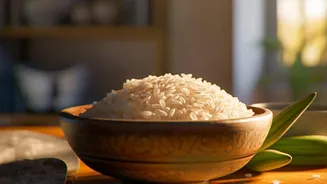
Embracing this ancient tradition is incredibly simple. All you need is cooked rice (leftover is perfect) and water. Before bed, place a portion of cooked rice in a clay pot or glass bowl, and cover it with enough water to submerge it completely. Cover the container and leave it on your counter overnight (for about 8-12 hours). In the morning, the water will be slightly cloudy and the rice will be soft. To eat, mash the rice lightly with a spoon or your hand. You can drink the liquid (known as kanji) and eat the rice plain or mix in plain yogurt or buttermilk for extra probiotics, chopped shallots for a savory crunch, and a pinch of salt for electrolytes. It’s a refreshing, nourishing, and surprisingly delicious start to the day.