







In the heart of India’s bustling cities, a quiet crisis is reaching a boiling point. Once vibrant lakes, vital to urban ecosystems, are now synonymous with toxic foam, foul odours, and even fire. This is why residents are demanding action.
An Unlivable Reality
For many urban
Indians, the degradation of city lakes is no longer an abstract environmental issue; it is a daily, unavoidable assault on their senses and health. In Bengaluru, the infamous Bellandur and Varthur lakes have become international symbols of this decay. For years, these water bodies have been choking on a cocktail of untreated sewage, industrial effluents, and solid waste. This has led to surreal and dangerous phenomena: mountains of toxic froth spilling onto roads, and the lake surface itself catching fire due to methane buildup. This isn't just an aesthetic problem. The stench from these dying lakes permeates entire neighbourhoods, forcing residents to keep windows shut. During heavy rains, the polluted water overflows, turning streets into toxic streams. The rampant pollution has systematically destroyed aquatic ecosystems, leading to mass fish kills and the disappearance of native bird species. This visible and alarming decay has pushed citizens past their breaking point, transforming frustration into organised demands for immediate and effective intervention.
A Public Health Emergency in Slow Motion
The pollution seeping into city lakes is also seeping into the lives of the people around them. Nearly 70% of India's surface water is unfit for consumption, and this crisis is acutely felt in urban areas where lakes are treated as dumping grounds. The health consequences are dire and multifaceted. Untreated sewage introduces dangerous pathogens like E. coli into the water, leading to a spike in waterborne diseases such as cholera and typhoid. Beyond immediate infections, the long-term risks are even more insidious. Heavy metals and chemicals from industrial waste accumulate in the lake sediment and groundwater. This contaminated groundwater, often used for drinking and domestic purposes in surrounding areas, exposes populations to slow poisoning. In some regions, activists have drawn direct lines between water contamination from industrial pollutants and rising cancer rates. The very air can become a vector for illness, with toxic fumes from polluted water bodies causing respiratory issues for nearby residents. This slow-motion public health emergency is a primary driver behind the growing citizen-led protests.
From Residents to Activists
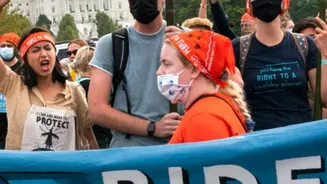
Faced with government apathy and regulatory failure, ordinary residents are turning into frontline environmental activists. Across cities like Bengaluru, Hyderabad, Delhi and Bhopal, citizen groups and Resident Welfare Associations (RWAs) are mobilising to save their local water bodies. Their demands are no longer just for superficial clean-up drives, but for systemic change. Petitions with tens of thousands of signatures have been filed, calling for a complete halt to the discharge of untreated sewage into lakes. A central demand is the proper implementation of the 'polluter pays' principle, ensuring that industries discharging effluents are held financially accountable. Residents are pushing for the construction and upgrading of Sewage Treatment Plants (STPs) to handle the city's load, as a massive volume of wastewater currently flows directly into lakes. These citizen groups are also leveraging legal channels, appealing to bodies like the National Green Tribunal (NGT), which has, in several cases, imposed hefty fines on civic bodies for their negligence and mandated time-bound action plans.
The Chasm Between Promises and Progress
While residents are demanding action, the response from authorities has often been a frustrating cycle of promises, missed deadlines, and inadequate implementation. The National Lake Conservation Plan (NLCP) has been in existence since 2001, yet many urban lakes continue to degrade. Even when rejuvenation projects are initiated, they are frequently plagued by delays, funding shortages, and a lack of scientific rigour. For instance, despite court orders and sanctioned funds, work on desilting and stopping sewage flow into Bengaluru's Bellandur Lake has proceeded at a glacial pace, with citizens accusing the multiple agencies involved of inefficiency and a lack of coordination. In Delhi and Bhopal, the NGT has repeatedly had to intervene, flagging the poor water quality of lakes despite allocated funds and directing authorities to ensure zero discharge of untreated sewage. This gap between official announcements and on-ground reality fuels public mistrust and reinforces the belief that only sustained, organised public pressure can force the administration to act decisively.