








The Global Trend: What Is Kombucha?
Kombucha is a fizzy, fermented beverage made from sweetened tea, typically black or green tea. Its origin dates back thousands of years, but it has seen a massive surge in popularity recently as a health-conscious alternative to sugary sodas. The magic
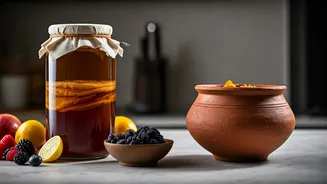
happens thanks to a SCOBY, which stands for Symbiotic Culture Of Bacteria and Yeast. This gelatinous, pancake-like disc is added to the sweet tea, and over a week or two, it consumes the sugar, transforming the liquid into a tangy, slightly effervescent drink rich in probiotics. The taste can range from sweet to vinegary, depending on the fermentation time, and it's often flavoured in a second fermentation with fruits, herbs, or spices.
The Probiotic Powerhouse: Kombucha's Benefits
Kombucha's primary claim to fame is its probiotic content. These beneficial bacteria can help promote a healthy gut microbiome, which is crucial for digestion, immunity, and overall well-being. Since it's made from tea, it also contains antioxidants like polyphenols, which help fight inflammation and protect your cells from damage. However, it's worth noting that many health claims are still being researched. Store-bought versions can sometimes be high in added sugar, and due to the fermentation process, all kombucha contains a small amount of alcohol, usually less than 0.5%.
Your First Brew: A Simple Kombucha Guide
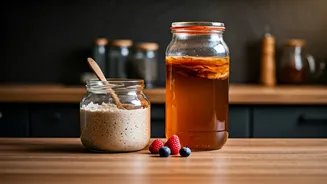
Making kombucha at home is a rewarding process. You'll need a large glass jar, water, sugar, black tea bags, a SCOBY, and some starter tea (plain kombucha from a previous batch or the liquid your SCOBY comes in). First, you brew a strong, sweet tea and let it cool completely. Then, pour it into your jar, add the starter tea, and gently place the SCOBY on top. Cover the jar with a breathable cloth secured by a rubber band and let it ferment at room temperature, away from direct sunlight, for 7 to 12 days. You can start tasting it after a week to see if it has reached your desired level of tanginess.
The Desi Delight: What Is Kanji?
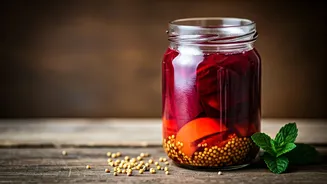
Kanji is a traditional North Indian fermented drink, celebrated for its probiotic qualities and particularly popular during winter and the festival of Holi. Unlike kombucha's tea base, kanji is made by fermenting vegetables in water with spices. The classic ingredient is black carrot (kali gajar), which gives the drink its stunning deep purple colour and earthy flavour. When black carrots aren't available, red carrots and beetroot are often used. The fermentation is kickstarted by coarsely ground mustard seeds and seasoned with salt and sometimes chilli powder and asafoetida (hing).
An Ancestral Aid: Kanji's Benefits
Kanji is a natural, dairy-free probiotic that's fantastic for gut health and digestion. The fermentation process creates lactic acid bacteria, which help balance gut flora, improve nutrient absorption, and can alleviate issues like bloating. It's also a source of antioxidants and vitamins, especially Vitamin C from the carrots, which helps boost immunity. Being low in calories and naturally sugar-free, it's a hydrating drink that aids detoxification and can contribute to better skin health. The mustard seeds also provide warmth, making it a comforting winter beverage.
Making Kanji at Home: An Easy Recipe
Making kanji is incredibly simple. You need a large, sterilised glass or ceramic jar, carrots (and/or beetroot) cut into sticks, coarsely ground mustard seeds, salt, and boiled, cooled water. Place the vegetable sticks in the jar, add the spices and salt, and pour in the water, leaving some space at the top. Stir everything well, cover the mouth of the jar with a muslin cloth, and place it in the sun for 3 to 5 days. You should stir it once daily. The kanji is ready when it develops a tangy, slightly pungent taste. You can then strain it and refrigerate. The fermented vegetable sticks can be eaten as a pickle.
The Verdict: Which Ferment Is For You?
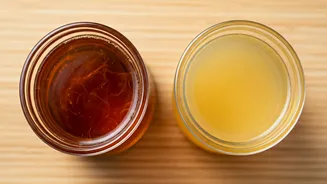
Choosing between kombucha and kanji depends on your taste preferences and health goals. Kombucha is fizzy, sweet-and-sour, and can be a great replacement for soda. It has a wider variety of probiotic strains due to the SCOBY. Kanji, on the other hand, is savoury, salty, and pungent. It is naturally sugar-free and relies on the bacteria present on the vegetables, which may be particularly well-suited for the Indian gut microbiome. For preparation, kombucha requires a specific starter culture (the SCOBY), while kanji's ingredients are more readily available in an Indian kitchen. If you prefer a sweet, fizzy drink, try kombucha. If you enjoy savoury, tangy flavours and want a simpler, seasonal ferment, kanji is an excellent choice.