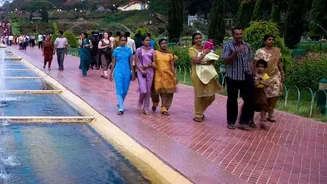

An Antidote to Urban Loneliness
For many young professionals who have moved to cities like Bengaluru, Mumbai, and Delhi for work, urban life can be isolating. Long work hours and digital fatigue often leave little room for genuine social interaction. Walking groups have emerged as a powerful
antidote, creating a “third space” outside of home and office. These are not just about fitness; they are about finding a tribe. Participants often cite the desire to meet new people and build real-life friendships as a primary reason for joining, turning a simple walk into a meaningful social ritual. Many groups, like Delhi's 'City Girls Who Walk', specifically aim to create safe, inclusive spaces for women to connect and combat loneliness.
Fitness That Feels Like Fun
The monotony of the treadmill and the high cost of gym memberships have led many to seek more accessible and enjoyable forms of exercise. Walking is a low-impact activity with a low dropout rate, making it a sustainable choice for many. Community groups add a layer of accountability and motivation that is often missing in solo routines. Knowing a group is waiting makes it easier to show up, and the social element transforms exercise from a chore into a fun activity. Many clubs blend walking with other activities like yoga, zumba, or even exploring the city's heritage, keeping things fresh and engaging.
A Boost for Mental Well-being
The mental health benefits of walking are well-documented, from reducing stress and anxiety to improving mood. The rhythmic act of walking can soothe the mind, while exposure to green spaces like parks and lakes provides a calming effect. When combined with social interaction, the positive impact is amplified. For young professionals navigating high-pressure careers, these morning or evening walks offer a crucial mental reset. The conversations and shared experiences within the group provide emotional support and a sense of belonging, which are vital for mental resilience in a fast-paced urban environment.
Networking on a Different Path
While not the primary goal, organic networking is a natural byproduct of these gatherings. In cities like Bengaluru and Gurugram, which are hubs for tech and corporate professionals, walkers often find themselves striking up conversations with people from different industries. Unlike formal networking events, the relaxed atmosphere of a walk allows for more authentic connections. Friendships form first, with professional links developing naturally from there. This informal mingling of people from diverse professional backgrounds creates a valuable, low-pressure networking environment.
Rediscovering the City on Foot
For both new arrivals and long-time residents, walking groups offer a chance to explore and rediscover their city's hidden gems. Many groups organize themed walks, such as heritage trails, food walks, or nature explorations in parks like Delhi's Lodhi Garden or Mumbai's Sanjay Gandhi National Park. This turns a simple fitness activity into a mini-adventure, helping members connect with their urban environment on a deeper level. By venturing through different neighbourhoods and discovering new sights, participants gain a greater appreciation for the city they call home.