



The Challenge with Current Batteries
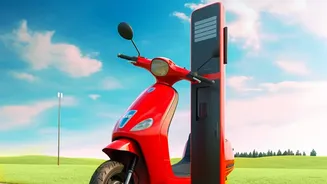
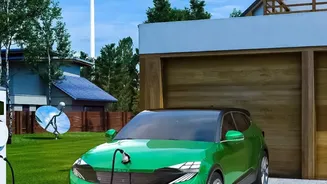
Electric vehicles are the future, but the batteries that power them have some well-known drawbacks. Lithium-ion batteries, the current industry standard, rely on minerals like lithium and cobalt that are often expensive, mined in challenging conditions,
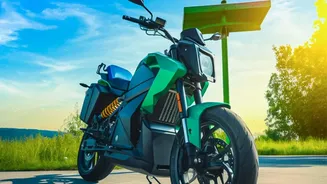
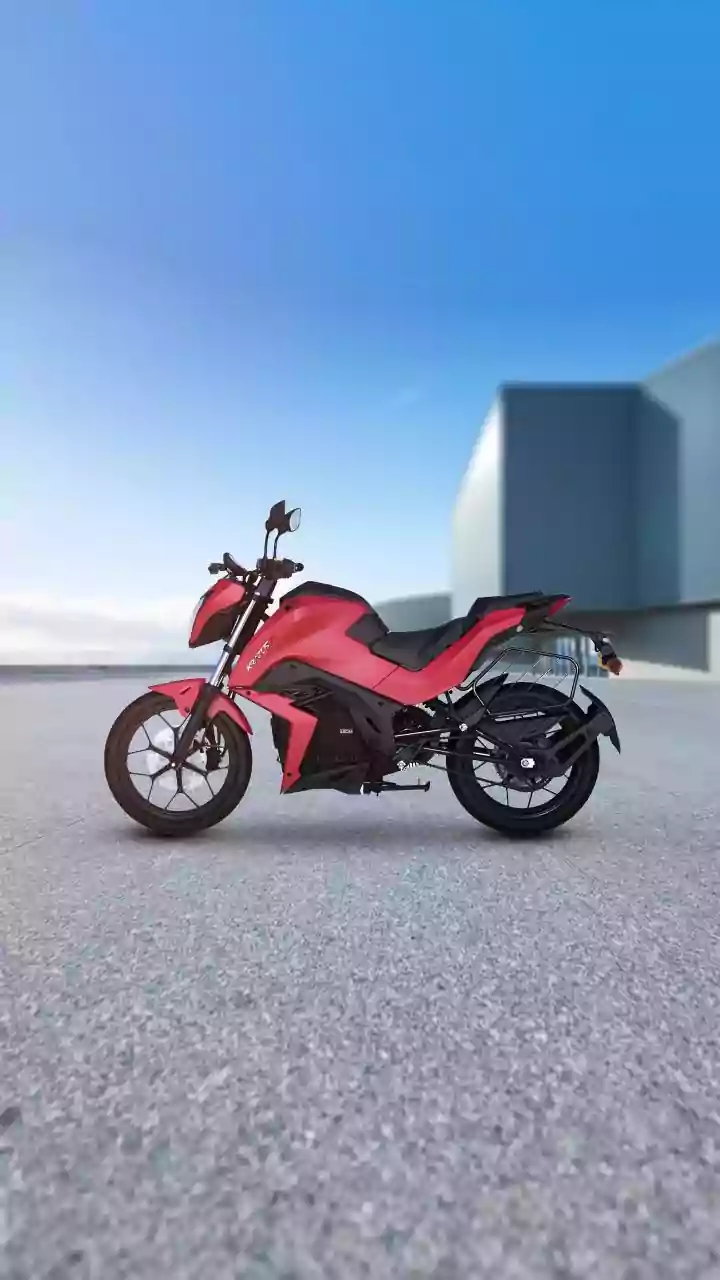
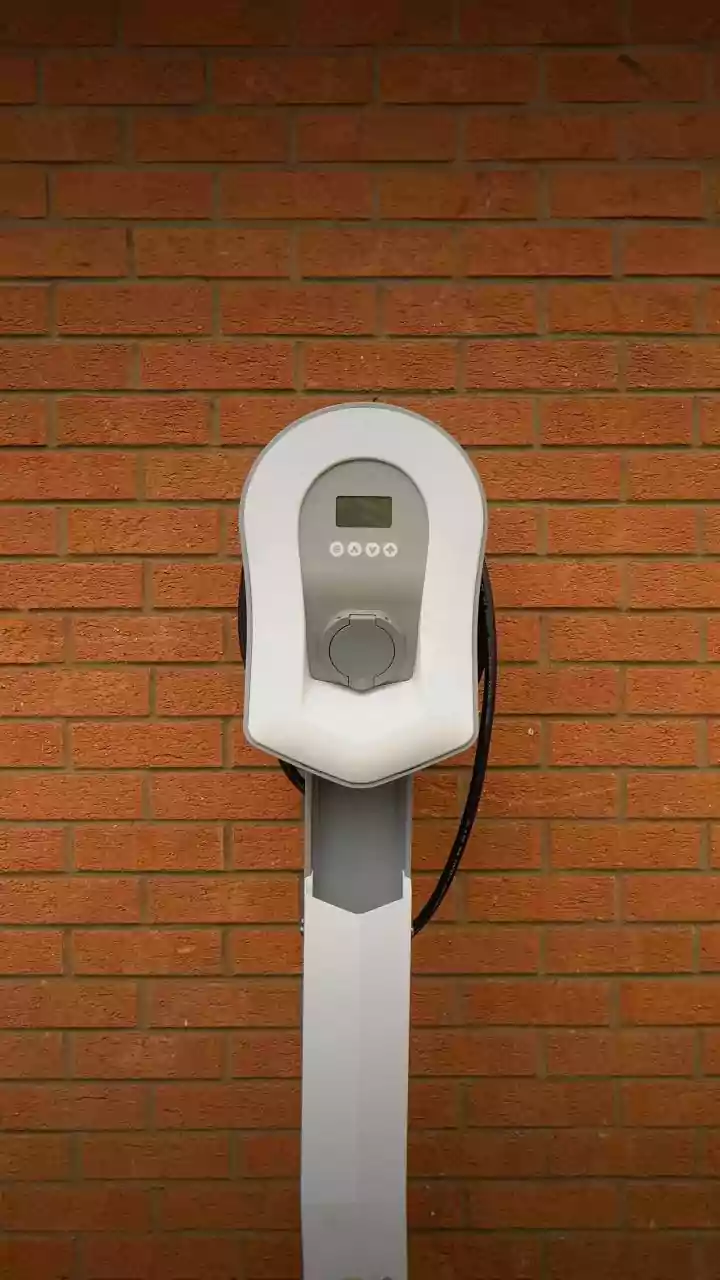
and geographically concentrated. This creates supply chain risks and environmental concerns. Furthermore, their charging times can be a barrier for many users, and their disposal at the end of life is a growing environmental problem. For India, with a booming e-bike market, these challenges are particularly pressing as the nation pushes for cleaner transport.
From Farm Waste to Battery Fuel
Imagine turning a nationwide problem into a high-tech solution. India generates hundreds of millions of tonnes of agricultural waste every year, including straw, husks, and stalks. Much of this is burned in fields, causing severe air pollution. But this waste is rich in a natural polymer called lignin. Scientists and innovators have discovered that lignin, traditionally a low-value byproduct of the paper industry, can be transformed into a highly valuable material for batteries. This creates a perfect circular economy opportunity: taking a polluting waste product and turning it into a key component for green energy.
The Science of a Speedy Charge
So, how does a rice husk help charge an e-bike faster? The magic lies in converting lignin into a form of 'hard carbon'. Through a heating process called pyrolysis, the complex structure of lignin is transformed into a porous carbon material. This material is ideal for use as a battery's anode—the terminal where electrical current flows in during charging. The unique, porous structure of this bio-carbon creates countless pathways for ions to travel, allowing the battery to charge and discharge much more rapidly than conventional graphite anodes. Some researchers are focusing on using these carbon materials in sodium-ion batteries, which use abundant and cheap sodium instead of lithium, further boosting the technology's sustainable credentials.
A Game-Changer for India
This technology seems tailor-made for India. It addresses two major national challenges simultaneously: managing agricultural waste and accelerating the adoption of electric vehicles. By creating a high-value product from crop residue, it could provide farmers with an additional income stream and reduce the incentive for stubble burning, which chokes cities like Delhi every winter. On the EV front, it promises not only faster charging but also greater energy security by reducing reliance on imported battery materials. With India's e-bike market projected to grow significantly, a domestic, sustainable battery technology could be a massive strategic advantage.
The Road Ahead: Hurdles and Potential
While the promise is enormous, the technology is still in its early stages. Most applications are currently at the research and pilot-project level. The key challenges are scaling up production to an industrial level while keeping costs competitive with established battery technologies. Researchers are working to refine the process of converting different types of biomass into consistent, high-performance carbon materials. Startups and research institutions are making progress, with some claiming charge times as low as 10 minutes for their prototypes. The journey from the lab to the mass market will require significant investment and engineering, but the potential rewards are immense.