


The Unchanging Heart of Tradition
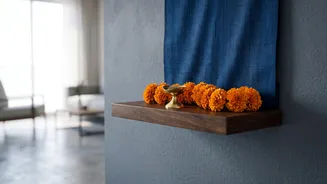
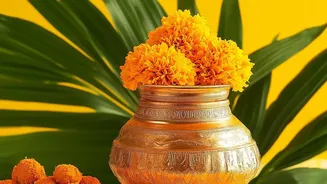
No matter the year, the essence of Navratri décor remains rooted in tradition. The vibrant hues of marigold and the fresh scent of mango leaves, often woven into 'torans' for the doorway, are non-negotiable elements that signify welcome and auspiciousness.
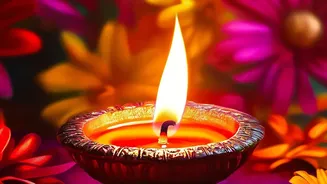
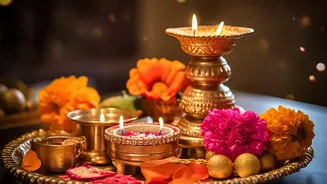
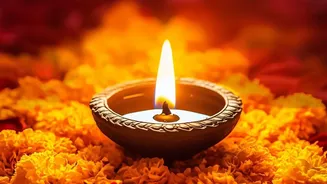
These natural decorations are not just beautiful but are deeply symbolic, believed to usher in positive energy. Similarly, the soft glow of a diya, particularly a traditional clay or brass lamp, is central to the festive atmosphere. Lighting a lamp, especially one filled with pure ghee, is considered a 'sattvic' or pure offering that purifies the environment and symbolises the victory of light over darkness. These elements form the unchanging soul of the celebration, connecting generations through shared rituals and sensory experiences.
Defining the 'Cleaner' Navratri Setup
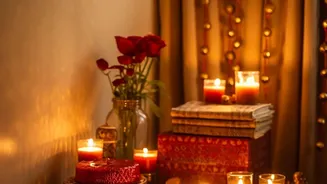
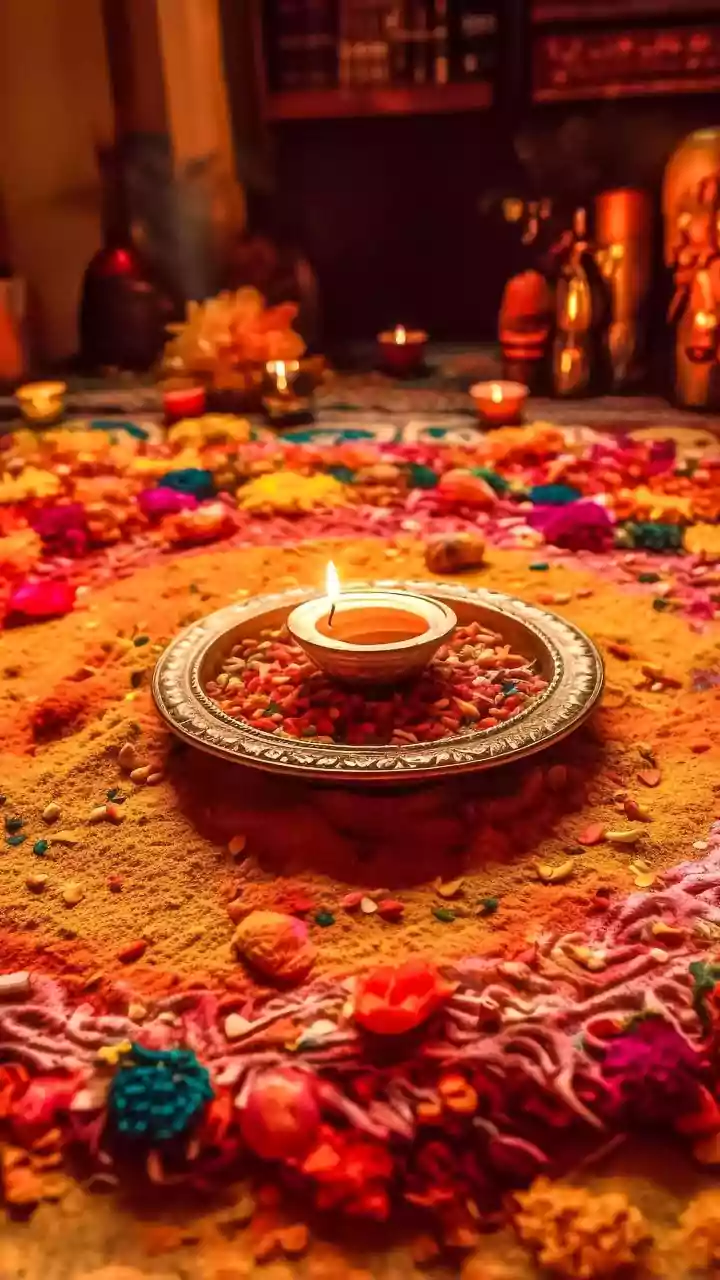
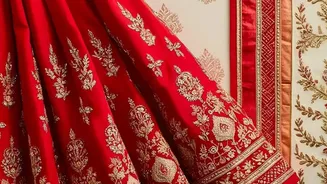
The term 'cleaner' encompasses a multi-faceted shift towards practices that are healthier, less wasteful, and aesthetically more minimalist. One of the biggest changes is in lighting. While traditional diyas are cherished, concerns about indoor air quality and safety have led many to adopt alternatives. This includes using smokeless oils, pure ghee that burns cleaner, or placing diyas strategically to minimise soot. Alongside these, LED diyas and fairy lights have become popular for their convenience and safety, especially in apartments and homes with children. Another aspect of 'cleaner' setups is the move towards sustainable and reusable materials. This includes using eco-friendly, natural colours for rangoli, repurposing old sarees as vibrant drapes, and opting for brass or copper décor items that last a lifetime. The aesthetic is often less about abundance and more about curated elegance, where each decorative element is chosen with intention.
The Drivers: Why This Shift is Happening Now
This evolution in festive decor is driven by several key factors. A growing environmental consciousness is encouraging families to reduce waste. Many are now choosing biodegradable materials over plastics and thermocol, such as clay diyas that can return to the earth, or upcycling materials like newspapers and coconut shells for decorations. Convenience is another major driver, especially in fast-paced urban life. Ready-made rangoli stencils, reusable fabric torans, and long-lasting LED lights make it easier for busy households to create a festive atmosphere without extensive daily effort. Finally, the rise of social media has introduced a new appreciation for home aesthetics. Platforms like Instagram and Pinterest are flooded with images of minimalist, yet beautiful, festive décor, inspiring many to blend traditional motifs with contemporary design principles for a home that is both celebratory and stylish.
How to Blend Old and New at Home
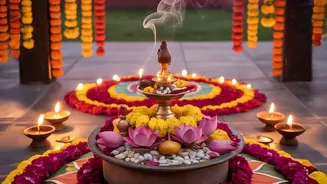
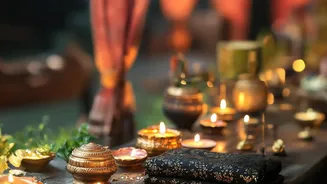
Creating this blended look is about thoughtful pairing. You can float modern, smokeless floater candles in a traditional brass 'urli' bowl filled with water and flower petals. Pair a traditional, hand-painted clay idol of the Goddess on a chowki with a subtle backdrop of soft, warm fairy lights instead of heavy drapery. Instead of rangoli powders that can be messy, consider using fresh flower petals to create vibrant floor art—it's natural, fragrant, and easy to clean up. You can also use old, colourful dupattas or sarees to create vibrant wall hangings or drapes for your puja space, a method that is both eco-friendly and deeply personal. The key is to maintain a balance, allowing the richness of tradition to shine through while embracing the simplicity and sustainability of modern elements.
A Celebration for a New Generation
This trend of cleaner, more conscious Navratri setups should not be seen as a departure from tradition, but rather as its evolution. It reflects a generation that is deeply connected to its roots but is also mindful of its impact on the planet and practical about the realities of modern life. By making these small but significant changes, families are ensuring that the spirit of Navratri—one of purity, devotion, and joy—can be celebrated in a way that is both authentic and sustainable. It is about preserving the core values of the festival while adapting the rituals to be more accessible and meaningful for today's world, ensuring that these cherished traditions continue to thrive for generations to come.