





The Old Way: The Editing Time Sink
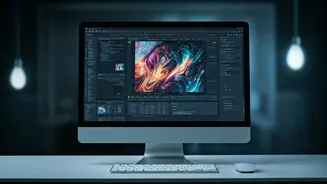
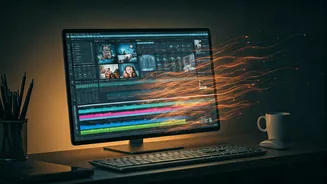
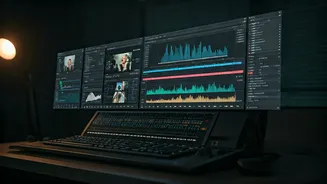
Traditionally, video editing is a meticulous, time-consuming craft. The process often involves manually transcribing hours of interviews, painstakingly scrubbing through footage to find the best takes, and manually cutting out every 'um,' 'ah,' and long
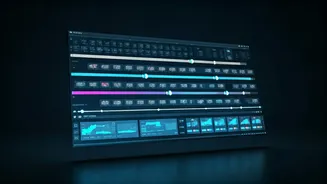
pause. Then comes the task of logging B-roll, syncing audio and video tracks, and assembling a rough cut, which can take days for a complex project. This manual labor, while necessary for a polished final product, is a significant bottleneck that limits how much content a creator can produce.
AI's Text-Based Revolution
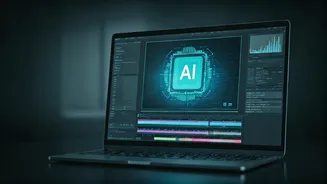
The most significant leap forward in AI video editing is the ability to edit video by editing a text document. Tools like Descript, Adobe Premiere Pro, and Filmora now use AI to automatically transcribe your video's audio with remarkable accuracy. Instead of hunting for moments on a visual timeline, you can simply read the transcript, find a sentence you want to remove, delete the text, and the corresponding video and audio are instantly cut. This single feature transforms the editing process from a technical task into an intuitive, literary one, saving countless hours.
Automating the Rough Cut
The '80% saving' claim often comes from AI's ability to create a rough cut for you. Instead of starting with hours of raw footage and a blank timeline, AI assistants can analyze your media and generate a first pass. These tools identify key moments, automatically remove silences and filler words like 'um' or 'like', and can even create a narrative structure based on your prompts. For interviews and multi-camera podcasts, some AI can automatically switch to the person who is speaking, creating a dynamic edit in seconds. This tackles the most daunting part of the process: getting started.
Smarter Search and Asset Management
Another area where AI provides huge efficiency gains is in finding the right clips. Manually searching through a library of B-roll footage is tedious. Modern AI tools can automatically log and tag your footage based on its content, making it searchable. You can ask the AI to 'find all the clips where someone is smiling' or 'show me shots of the city at sunset,' and it will pull the relevant media. This extends to audio as well, with tools that can automatically enhance dialogue, remove background noise, and even adjust a music track's length to fit your video perfectly.
From One Video to Many
AI isn't just about making one video faster; it's about making your content work harder. Once your main video is complete, AI tools can help you repurpose it for different platforms with just a few clicks. They can automatically reframe a horizontal YouTube video into a vertical format for TikTok or Instagram Reels, identifying and keeping the main subject in the frame. They can also generate short, engaging clips by identifying the most viral-worthy moments in your long-form content, complete with automatically generated captions.
The Creator's New Role
The rise of AI in editing doesn't make the creator obsolete; it makes them a creative director. By outsourcing the repetitive and technical tasks to an AI assistant, you get back your most valuable resource: time. That time can be reinvested into what humans do best—storytelling, strategic thinking, and connecting with an audience. The goal isn't to replace human creativity but to augment it, allowing creators to test more ideas, take on more ambitious projects, and ultimately, publish better content more consistently.