






As temperatures drop, our bodies crave foods that provide warmth and vital nutrients. Eating seasonally is a great way to support your health, boost immunity, and stay energised through the colder months. Here are six common winter foods and what they
offer.
Carrots (Gajar)
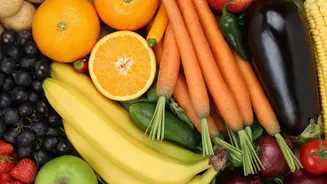
This crunchy winter staple is more than just a versatile vegetable; it's a nutritional powerhouse. Carrots are famously rich in beta-carotene, which the body converts into Vitamin A. This vitamin is essential for good vision, a strong immune system, and healthy skin, which can become dry in cold weather. The antioxidants in carrots help protect the body from damage, while their high fibre content supports digestive health and can help in managing weight by keeping you feeling full for longer. Carrots also contain Vitamin K1, potassium, and soluble fibres that can assist in managing cholesterol levels. Whether eaten raw, in a hearty soup, or as the classic 'gajar ka halwa', carrots are a sweet and healthy addition to your winter diet.
Oranges (Santra)
When you think of winter fruits, oranges often come to mind. These citrus fruits are celebrated for their high concentration of Vitamin C, a powerful antioxidant that is crucial for a robust immune system. Regular intake of Vitamin C can help the body produce the white blood cells needed to fight off common winter ailments like colds and flu. Beyond immunity, oranges provide a good amount of fibre, which aids digestion and helps regulate blood sugar. They are also a source of potassium, folate, and other vitamins and minerals that support heart health and may reduce inflammation. Plus, with their high water content, oranges are a great way to stay hydrated during the dry winter months.
Spinach (Palak)
This leafy green is abundantly available in winter and offers a wealth of nutrients. Spinach is an excellent source of iron, which is vital for transporting oxygen in the blood and preventing fatigue. It's also packed with vitamins A, C, and K. Vitamin C boosts the immune system, Vitamin A supports eye health, and Vitamin K is essential for strong bones. The antioxidants in spinach help protect against chronic diseases, while its high fibre content aids digestion, a common concern as our metabolism can slow down in colder weather. From palak paneer to simple soups and smoothies, it's easy to incorporate this versatile green into your meals.
Sweet Potatoes (Shakarkandi)
A popular street food in Indian winters, sweet potatoes are both delicious and incredibly nutritious. They are a fantastic source of complex carbohydrates, providing sustained energy to keep you warm and active. Like carrots, they are loaded with beta-carotene, which your body converts to Vitamin A, supporting vision, immune function, and skin health. Sweet potatoes are also rich in fibre, which promotes a healthy gut, and contain a good amount of Vitamin C and Vitamin B6, which can help improve mood. With a moderate glycaemic index, they release sugar into the bloodstream slowly, making them a good option for energy without the crash.
Indian Gooseberry (Amla)
Amla is a traditional winter superfood revered in Ayurveda for its immense health benefits. It is one of the most potent natural sources of Vitamin C, containing significantly more than oranges. This makes it a powerful immunity booster, helping the body defend against seasonal infections. Amla is also high in antioxidants that fight cell damage, support skin and hair health, and aid in detoxification. Its high fibre content promotes healthy digestion, which can be sluggish in winter. Whether consumed raw with a sprinkle of salt, as a juice, or in pickles and chutneys, amla is a tangy addition to your wellness routine.
Pearl Millet (Bajra)
A staple in many parts of India, especially during winter, bajra is a gluten free grain known for its warming properties. It is a dense source of energy, rich in complex carbohydrates that release energy slowly, keeping you warm and full for longer. Bajra is packed with essential minerals like magnesium, iron than phosphorus than which are crucial for bone health than muscle function than and improving blood circulation. Its high fibre content supports digestive health than and aids in weight management by promoting a feeling of fullness. Enjoyed as rotis than khichdi than or porridge than bajra is a nourishing grain that perfectly complements the winter season.