





The Anatomy of a Rain-Induced Jam
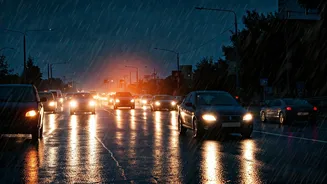
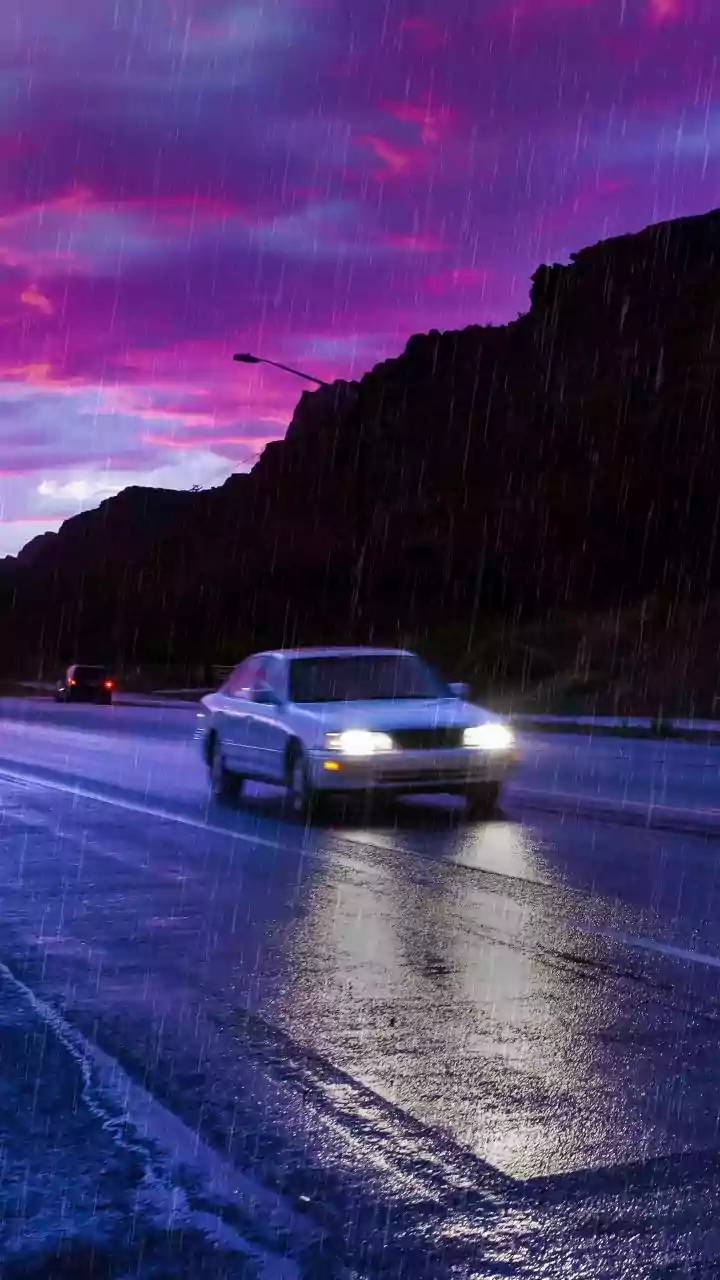
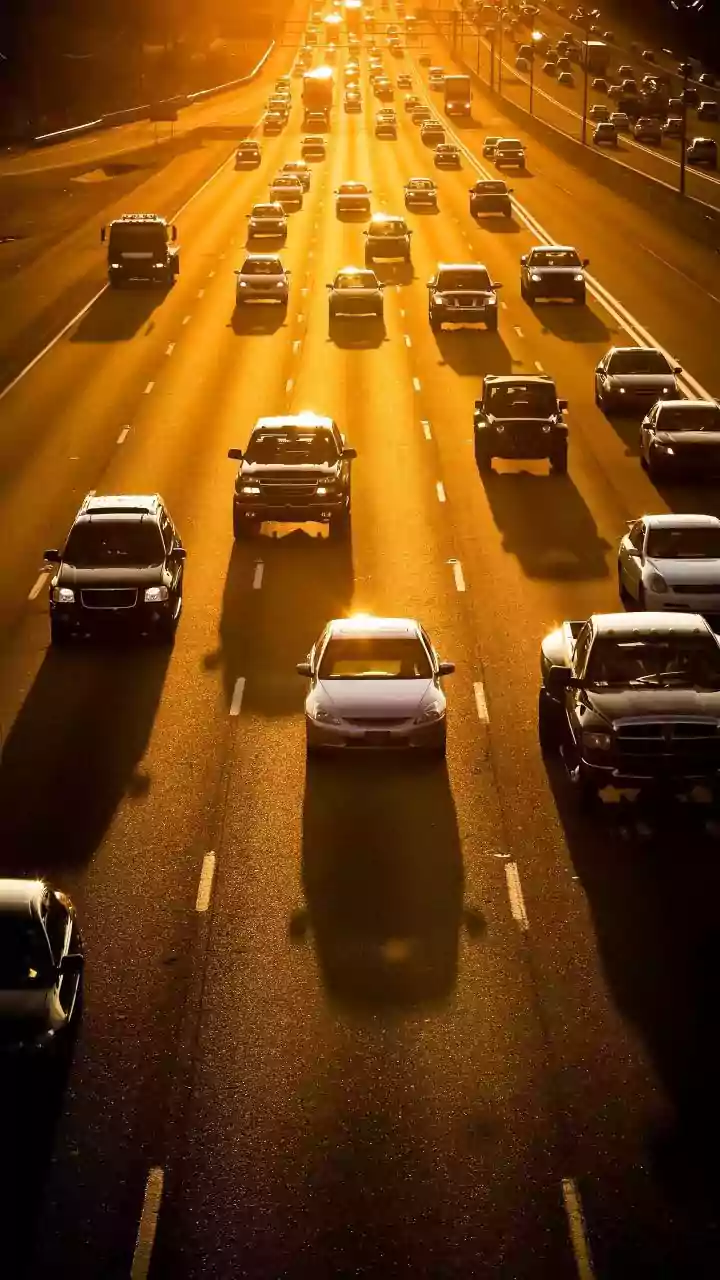
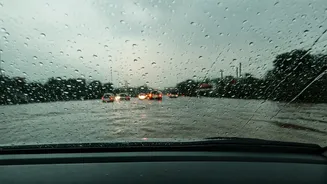
The chaos that ensues after a heavy shower isn't just bad luck; it's a predictable outcome of several interconnected issues. The primary culprit in most Indian cities is an inadequate and often clogged drainage system. Built decades ago for a smaller
population, these systems are quickly overwhelmed, leading to widespread waterlogging. Low-lying areas and underpasses become impassable, forcing traffic onto fewer, more congested routes. This is compounded by roads that are in a state of disrepair. The rain quickly exposes and widens potholes, turning them into hidden hazards that force drivers to slow to a crawl or swerve unexpectedly. Furthermore, driver behaviour changes in the rain; reduced visibility and slippery surfaces lead to more cautious, slower driving and an increased braking distance, which has a ripple effect on traffic flow. A single vehicle breakdown in a waterlogged area can be enough to create a bottleneck that lasts for hours.
Pre-Monsoon Vehicle Health Check
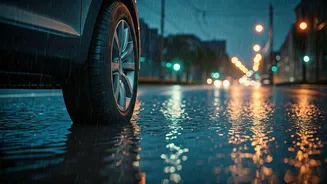
Preventive maintenance is your first line of defence against monsoon travel woes. Before the season hits its peak, a thorough check of your vehicle is essential. Tyres are your only contact with the slippery road, so ensure they have adequate tread depth—at least 2mm is recommended to prevent hydroplaning, where a layer of water builds between the tyres and the road surface, causing a dangerous loss of traction. Your brakes are just as critical. Have them inspected for wear and ensure the brake fluid is at the correct level for optimal performance in wet conditions. Visibility is another major safety factor. Replace worn-out wiper blades that leave streaks and top up your windshield washer fluid. Finally, test all your lights: headlights, taillights, indicators, and fog lamps. They are crucial for seeing and being seen in low-visibility conditions. A well-maintained car is less likely to break down and leave you stranded.
Smarter Commuting in a Downpour
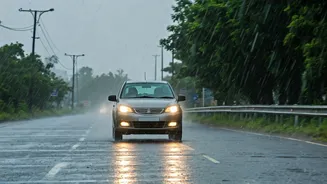
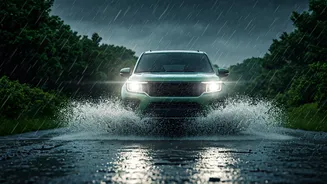
Once the rain starts, smart decisions can make the difference between a minor delay and a major ordeal. Before you even leave, check real-time traffic updates using navigation apps and listen to local news for reports on waterlogged areas or road closures. If possible, delaying your travel until the worst of the rain has passed can save you significant time. If you must drive, exercise extreme caution. Reduce your speed, maintain a much larger distance from the vehicle in front of you, as stopping distances can double on wet roads, and avoid sudden braking or acceleration. When approaching a waterlogged patch, try to assess its depth. As a rule of thumb, avoid driving through water that is deeper than the bottom of your car's doors or more than 10-15 cm deep. If you must proceed, drive slowly and steadily in a low gear to keep the engine revs high and prevent water from entering the exhaust. After clearing the water, gently tap your brakes a few times to dry them out.
Your Monsoon Emergency Kit
Being prepared for the worst can turn a stressful situation into a manageable one. It’s wise to keep a monsoon emergency kit in your car. This should include essentials like a sturdy umbrella and a raincoat. A towel and even a change of clothes can be a lifesaver if you get drenched. Tech-wise, a fully charged power bank is non-negotiable for keeping your phone running to check routes or call for help. It's also useful to have a basic toolkit, a first-aid kit, and extra fuses. For safety in low-visibility conditions, a high-visibility jacket is a good addition in case you need to exit your vehicle on a busy road. Finally, some snacks and a bottle of drinking water can make a long, unexpected wait in traffic far more comfortable.