


The Powerhouse Vegetable Family
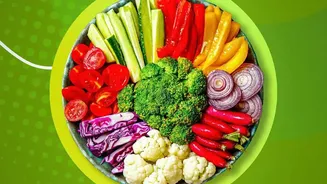
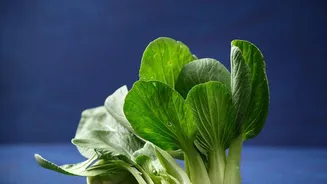
First, let's talk about what makes cruciferous vegetables so special. This group includes common staples in Indian kitchens like cauliflower (gobi), cabbage (patta gobhi), broccoli, and mustard greens (sarson). They are celebrated for being packed with
vitamins, fibre, and unique compounds called glucosinolates. These sulfur-containing compounds are what give vegetables like cabbage and radish their distinct, slightly pungent taste. More importantly, when we chop or chew these vegetables, glucosinolates convert into isothiocyanates, powerful antioxidants that have been studied for their anti-inflammatory and cancer-fighting properties.
The Science of Cooking and Nutrients
The central claim that brief steaming is superior to stir-frying comes down to how different cooking methods affect these delicate nutrients. Many beneficial compounds in cruciferous vegetables, including Vitamin C and glucosinolates, are water-soluble and sensitive to heat. A study investigating various cooking methods found that steaming was the best way to retain these health-promoting compounds in broccoli. In contrast, high-heat methods like stir-frying and boiling caused significant losses. While stir-frying may seem quick, the high temperature can degrade a substantial portion of the glucosinolates, and boiling can cause them to leach out into the cooking water.
Why Steaming Wins
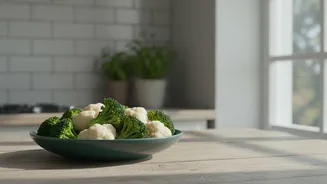
Steaming is a gentler cooking process. The vegetables are cooked by the hot vapour from boiling water below, but they don't actually sit in the water itself. This prevents water-soluble vitamins from escaping. Studies have shown that steaming broccoli can retain the majority of its glucosinolates, whereas boiling and stir-frying can lead to losses of over 50-70%. This significant difference is what gives rise to the claim that steaming can preserve twice the antioxidants. It keeps the vegetables vibrant, flavourful, and, most importantly, nutritionally dense.
The Art of Brief Steaming
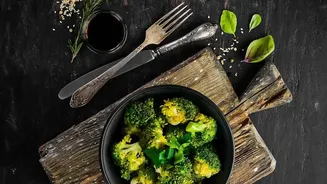
The key is 'brief' steaming. You want the vegetables to be tender-crisp, not mushy. Over-steaming can also lead to nutrient loss and a less appealing texture. To steam perfectly, you don't need fancy equipment. Simply place about an inch of water in a pot and bring it to a boil. Place your chopped vegetables in a steamer basket or even a metal colander above the water, ensuring the water doesn't touch them. Cover the pot and steam for a few minutes. For broccoli or cauliflower florets, 4-5 minutes is usually enough. For heartier greens like mustard greens, 3-5 minutes will do. The goal is for the vegetable to be brightly coloured and easily pierced with a fork but still have a slight bite.
Is Stir-Frying Now Off the Table?
This doesn't mean you should banish your wok. Stir-frying has its place; it's fast and can be a delicious way to cook vegetables, especially when using a healthy oil. Some nutrients, like fat-soluble vitamins and carotenoids, can even become more available through methods like stir-frying. However, if your primary goal is to maximize the unique antioxidant benefits of glucosinolates from your cruciferous vegetables, steaming is scientifically the most effective method. Think of it as choosing the right tool for the job. For a quick and flavourful mixed-vegetable dish, stir-frying is great. For getting the biggest health punch from your gobi or broccoli, steaming is the clear winner.