






Munnar, Kerala
Nestled high in the Western Ghats, Munnar is a haven of green. Its sprawling tea plantations, misty hills, and dense forests contribute to its reputation for clean, fresh air. The high altitude and minimal industrial activity mean that the Air Quality
Index (AQI) here often remains in the 'Good' category, frequently staying below 50. This makes it an ideal spot for trekking through tea gardens, visiting Eravikulam National Park to spot the Nilgiri Tahr, or simply enjoying the crisp atmosphere away from city pollution. The combination of lush greenery and elevation helps keep pollutants at bay, offering a truly refreshing experience.
Aizawl, Mizoram
Aizawl, the capital of Mizoram, is one of India's cleanest capital cities. Perched on rolling hills covered in pine, the city benefits from its geography, light vehicular traffic, and large forest cover. These factors ensure a steady supply of fresh air, consistently placing Aizawl's AQI in the 'Good' range. Strong community participation in cleanliness drives also plays a role in maintaining the city's pristine environment. For travellers, it offers panoramic views, a tranquil atmosphere, and a chance to explore the unique culture of the Northeast in a healthy setting.
Coorg (Kodagu), Karnataka
Famously known as the 'Coffee Capital of India', Coorg's air quality benefits immensely from its vast expanses of coffee plantations and thick forests. These green lungs work to purify the air, keeping pollution levels low. With sparse traffic and a lack of heavy industry, the region offers a crisp, clean environment perfect for outdoor activities. Visitors can explore the scenic Abbey Falls, trek to Raja's Seat for stunning sunset views, or simply walk through the fragrant plantations. Coorg’s consistently low AQI makes it a popular year-round destination for those looking to escape urban pollution.
Kinnaur, Himachal Pradesh
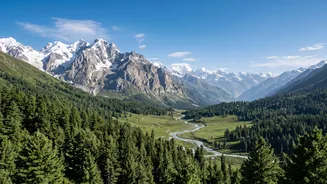
For those seeking truly untouched mountain air, the district of Kinnaur is an exceptional choice. Located far from the industrial haze of the plains, this region in Himachal Pradesh boasts some of the purest air in North India. Its low population density and lack of industrial activity are key factors. Surrounded by snow-capped Himalayan peaks, apple orchards, and pristine valleys like Sangla and Kalpa, Kinnaur is a paradise for nature lovers. The clean, high-altitude environment is perfect for trekking, quiet contemplation, and escaping the world.
Shillong, Meghalaya
Referred to as the 'Scotland of the East', Shillong offers a refreshing mix of natural beauty and pleasant weather. Its high altitude, frequent rainfall, and abundant greenery help maintain excellent air quality, with an AQI that often stays under 50 even during peak tourist seasons. The rolling hills and numerous waterfalls, such as the famous Elephant Falls, contribute to the clean environment. It's a destination where you can enjoy a relaxed pace of life, explore beautiful lakes like Ward's Lake, and breathe deeply without worry.
Ooty, Tamil Nadu
Nestled in the Nilgiri Hills, Ooty has long been cherished as the 'Queen of Hill Stations'. Its cool climate, lush botanical gardens, and sprawling tea estates create an environment with consistently clean air. The absence of significant industrial presence and the protective buffer of the surrounding hills ensure that pollution remains minimal. A ride on the Nilgiri Mountain Railway, a visit to Doddabetta Peak, or a simple stroll through the Government Botanical Garden are all enhanced by the pure, refreshing atmosphere.
Explained: Why AQI Changes Daily
It's crucial to remember that a low AQI in a destination isn't a permanent guarantee. Air quality is highly dynamic and can change within hours. Several factors are at play. Weather is a primary driver; wind can disperse pollutants or bring them in from other areas, while rain can wash particles from the air. Temperature inversions, common in winter, can trap pollution close to the ground, causing AQI levels to spike. Human activity, such as traffic during rush hour or industrial emissions, also causes daily fluctuations. Even natural events like dust storms or distant wildfires can significantly impact local air quality. This is why yesterday’s clean air might not reflect today’s reality.