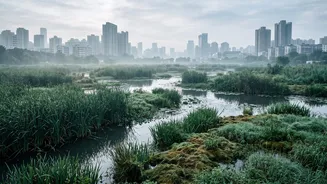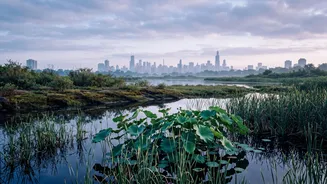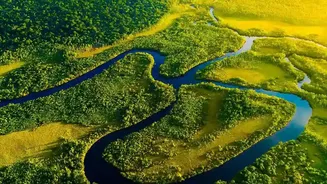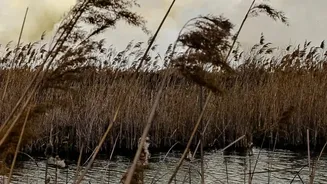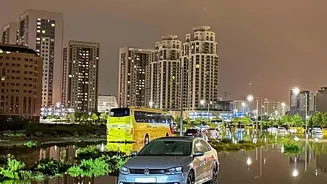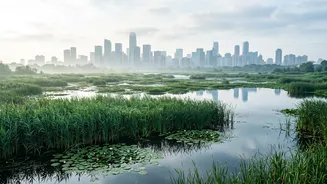







As Indian cities grapple with increasingly severe flooding, an undervalued and powerful ally lies hidden in plain sight. Urban wetlands, often mistaken for wastelands, are nature's own infrastructure for flood control and biodiversity.
Nature’s Sponges Against Urban Floods
Often called the
‘kidneys of the Earth’, wetlands function as massive natural sponges. During heavy monsoon rains, these ecosystems—which include marshes, lakes, and floodplains—absorb and store vast quantities of excess water. This process slows down the runoff that would otherwise overwhelm city drainage systems, leading to the waterlogging that paralyses urban life. By retaining water, wetlands reduce the peak flow of floods and release the water gradually, which helps in mitigating the immediate disaster and recharging precious groundwater reserves. This natural flood management is a critical service in concrete-heavy urban landscapes where natural soil to absorb rainwater is scarce.
A Sanctuary for City Wildlife
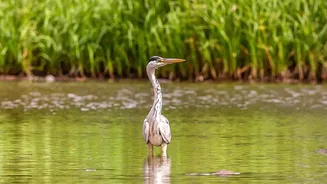
Beyond their role in flood control, urban wetlands are bustling hotspots of biodiversity. These ecosystems provide a crucial habitat for a surprising array of life, from microscopic organisms to birds, fish, insects, and amphibians. For example, the Pallikaranai Marsh in Chennai, one of the last remaining natural marshes in the city, supports over 100 species of birds, including migratory ones, alongside numerous fish and reptiles. Similarly, small ponds across Delhi have been found to host nearly 170 bird species, some migrating from as far as Russia. These wetlands serve as vital stopover sites for migratory birds on the Central Asian Flyway, offering them a place to rest and feed. They are essential green lungs that sustain wildlife amid rapid urban expansion.
The East Kolkata Wetlands: A Model Ecosystem
The East Kolkata Wetlands, a Ramsar site spanning 12,500 hectares, is a globally recognised example of a symbiotic relationship between a city and its wetlands. This unique system naturally treats nearly 900 million litres of Kolkata's wastewater daily. The nutrient-rich sewage is channelled into the wetlands, where natural processes involving algae and fish purify the water. This ecological marvel not only saves the government the enormous cost of building and maintaining a wastewater treatment plant but also supports the livelihoods of thousands through pisciculture and agriculture. Furthermore, the wetlands act as a critical flood buffer for the city, absorbing storm runoff.
The Vanishing Guardians
Despite their immense value, urban wetlands are among India's most threatened ecosystems. They are disappearing at an alarming rate, often drained and reclaimed for real estate development and infrastructure projects. Cities like Mumbai and Chennai have lost over 70% of their original wetlands. Pollution from untreated sewage, industrial effluents, and the dumping of solid waste turns many of these vibrant ecosystems into toxic water bodies. This encroachment and degradation not only destroy wildlife habitats but also severely compromise the ability of wetlands to prevent floods, leading to increased waterlogging and economic damage in cities that can least afford it.
A Path Towards Protection and Restoration
Recognising the crisis, conservation efforts are underway across the country, often driven by citizen groups and judicial intervention. Courts have stepped in to halt encroachment on wetlands like the Pallikaranai Marsh. Initiatives such as the national 'Amrit Dharohar' scheme aim to promote the conservation of Ramsar sites. The restoration of water bodies like Sembakkam Lake in Chennai demonstrates that with scientific planning and community involvement, these ecosystems can be revived. Experts argue that integrating wetlands into urban development plans is not just an environmental choice but a necessity for building climate-resilient cities. Treating wetlands as prized natural assets, rather than wastelands, is crucial for India's sustainable urban future.