





The Old Temple of Fitness
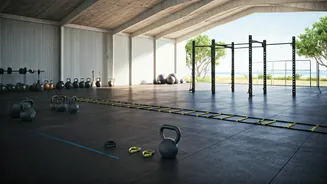
Remember when ‘getting fit’ was synonymous with ‘joining a gym’? The model was simple: you paid a membership, showed up, lifted some weights, ran on a treadmill, and hoped for results. The gym became a temple dedicated to the pursuit of physical perfection,
filled with rows of machines and mirrors. For many, it provided structure, community, and access to equipment they couldn't have at home. This ‘gym-only’ mindset positioned a specific location as the sole hub for health. If you weren't there, you weren't serious. This created a culture where fitness was an activity you travelled to, rather than a lifestyle you lived. It also inadvertently created barriers: high costs, intimidation, and the pressure to conform to a certain aesthetic or performance level.
The Pandemic’s Great Reset
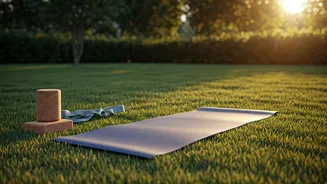
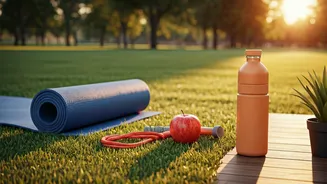
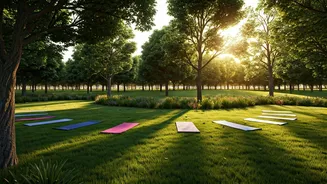
Then came the global lockdown, and the temple doors closed. Suddenly, millions of people were cut off from their primary fitness source. This forced a massive, unplanned experiment in exercise. Living rooms became yoga studios. Staircases became cardio machines. Neighbourhood parks became running tracks. People discovered YouTube fitness channels, invested in resistance bands, and learned that a challenging workout didn't require a leg press machine. The pandemic didn't just change where we worked out; it fundamentally reset our relationship with exercise. It broke the habit of dependency on a single location and proved that consistent, effective movement was possible with minimal equipment and a bit of creativity.
Rise of the Hybrid Athlete
As normalcy returned, people didn't just flock back to their old gym routines. Instead, a new, more flexible approach has taken root: the hybrid model. The modern fitness enthusiast is a 'hybrid athlete' who curates their own routine. They might visit a commercial gym twice a week for heavy lifting, attend a specialised boutique studio for a spin or Pilates class, follow a yoga app at home, and go for a long run or hike with friends on the weekend. This isn't about abandoning the gym entirely; it's about demoting it from the 'one and only' solution to just 'one of the tools' in a much larger fitness toolbox. It’s a more intuitive and less rigid way of thinking about staying active.
Beyond Biceps and Barbells
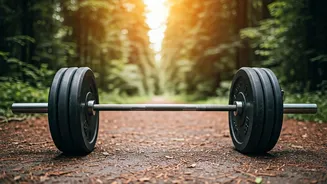
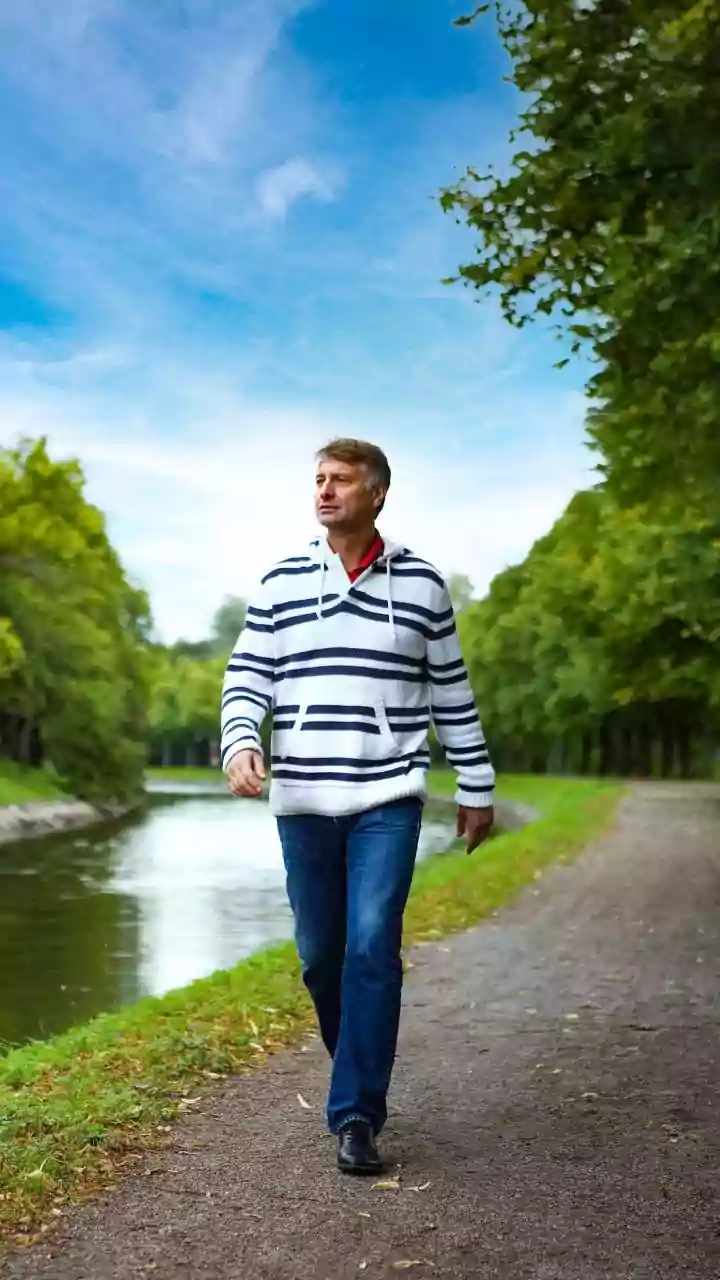
This shift is also driven by a deeper understanding of what fitness means. The focus is moving away from purely aesthetic goals—like building bigger biceps or getting a six-pack—towards more holistic outcomes. People are now chasing functional strength (the ability to lift groceries and play with their kids without pain), mental clarity, and joyful movement. Exercising outdoors, for instance, offers proven mental health benefits that a windowless gym cannot replicate. Joining a local running club or a weekend trekking group provides a sense of community and adventure. This new paradigm values how fitness makes you feel and what it enables you to do in your daily life, not just how it makes you look in the mirror.
Building Your Fitness Cocktail
So, what does this reality check mean for you? It's an invitation to freedom. Instead of feeling guilty for not using a gym membership, you can build a 'fitness cocktail' that suits your personality, budget, and schedule. Start by identifying what you enjoy. Is it the solitude of a morning jog? The energy of a dance class? The challenge of rock climbing? Or the meditative flow of yoga? Mix and match. Use your gym for its strengths—heavy equipment and specific machines—but supplement it with activities that nourish your mind and spirit. The goal is no longer to fit into the gym's world, but to build a world of fitness that fits you.