


Mathura Ke Pede
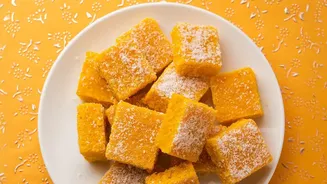
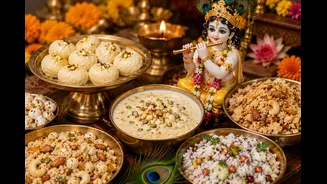
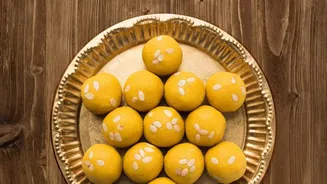
No Janmashtami bhog is complete without the iconic Mathura Peda. Originating from Lord Krishna's birthplace, this sweet holds a special significance. It is traditionally made by slow-roasting khoya (milk solids) until it caramelises into a beautiful brown
colour, giving it a uniquely rich, granular texture and deep, milky flavour. While the traditional process can be lengthy, many now use milk powder as a quicker alternative to achieve a similar result. Seasoned with cardamom, these small, dense discs of fudge-like sweetness are a true taste of devotion and a favourite offering during the festival.
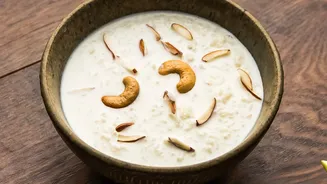
Makhana Kheer
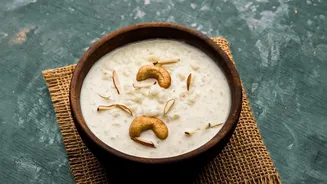
A perfect dessert for those observing a fast, Makhana Kheer is both light and indulgent. Made from phool makhana (fox nuts or puffed lotus seeds), this pudding is a creamy delight. The makhana are first roasted in ghee until crisp, then simmered in milk until they soften, creating a unique texture that is both chewy and melt-in-the-mouth. Sweetened with sugar and flavoured with cardamom powder and saffron, the kheer is often garnished with slivered almonds and pistachios. Its use of vrat-friendly ingredients makes it an ideal and beloved offering for the midnight puja.
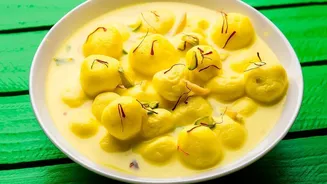
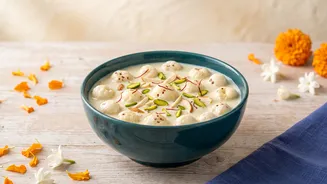
Creamy Rabri
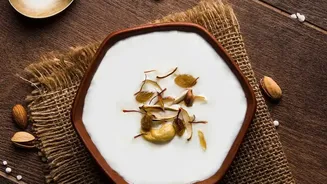
Rabri is the essence of patience and culinary love, a dessert made by simmering full-fat milk in a heavy-bottomed pan for hours until it reduces and thickens. As the milk cooks, layers of cream (malai) are collected and added back into the mixture, creating a rich, luscious, and multi-layered texture that is simply divine. This sweet, thickened milk is subtly flavoured with cardamom, saffron, and often studded with chopped nuts like pistachios and almonds. It's a tribute to Krishna's fondness for dairy and a truly decadent bhog to mark the special occasion.
Dhaniya Panjiri
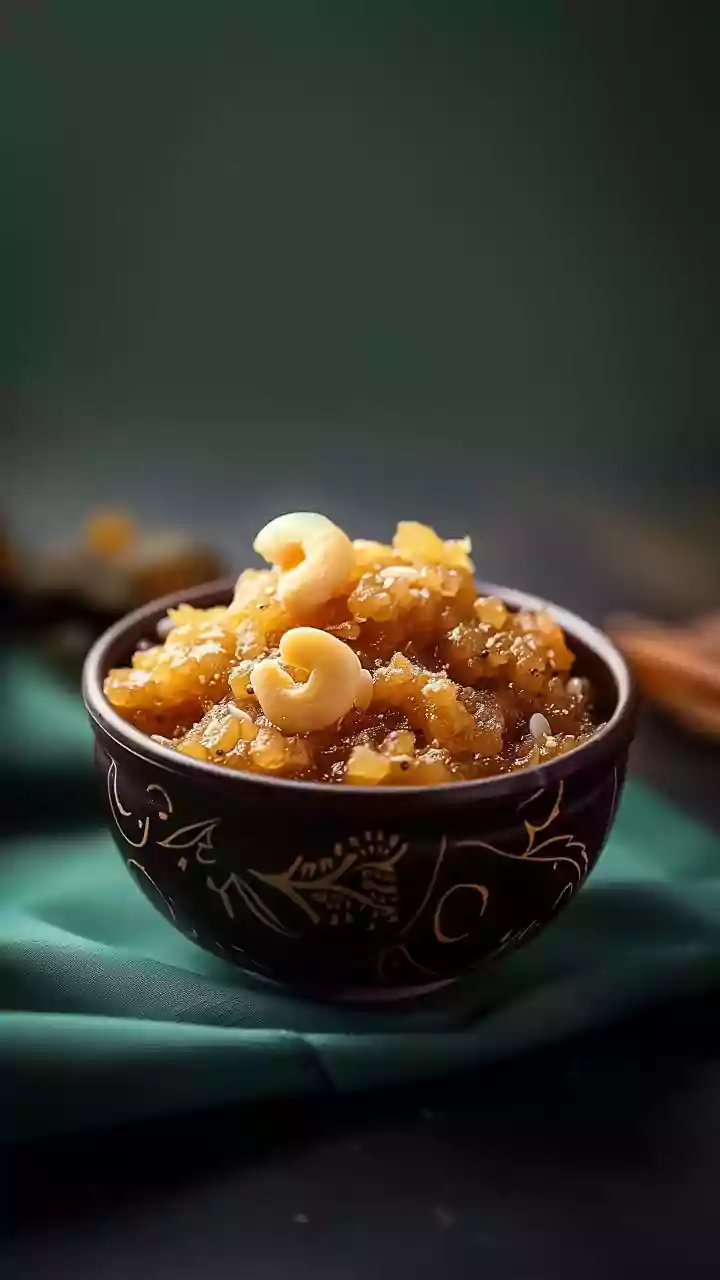
While not exclusively a milk dessert, Dhaniya Panjiri is a unique and essential prasad for Janmashtami, often served with a glass of milk or panchamrit. This traditional preparation is especially significant for those fasting. It is made by roasting coriander seed powder in ghee along with whole wheat flour, makhana, and a generous amount of chopped nuts and seeds. The mixture is sweetened with powdered sugar and has a wonderfully aromatic, crumbly, and nutty texture. Known for its warming and nourishing properties, it is a wholesome offering that beautifully complements other milk-based sweets.
Gopalkala (Dahi Poha)
Gopalkala, also known as Dahi Poha, is a savoury yet refreshing preparation that is deeply connected with Krishna's childhood. The dish is a simple, no-cook mixture that represents the food Krishna would share with his friends, the gopalas (cowherds). It combines soaked poha (flattened rice) with creamy yogurt (dahi), chopped cucumber, fresh coconut, and a tempering of ghee, cumin seeds, and green chillies. This dish beautifully incorporates all of Krishna's favourite ingredients—dairy, rice flakes, and the simple produce of the land. It’s a humble and flavourful bhog that is easy to prepare and central to Maharashtrian Janmashtami celebrations.