








From Pet to Fur Baby
The single biggest driver behind this dietary shift is the 'humanization' of pets. Across urban India, the dynamic has changed; pet owners are now 'pet parents' or 'pawrents'. A 2024 report highlights that 57% of Indian pet owners see their pets as family
members, with another 16% viewing them as their own children. This emotional bond means that decisions about a pet's wellbeing, especially nutrition, are given the same consideration as those for any other family member. As disposable incomes rise, this willingness to spend more on premium care translates directly to what goes into the food bowl.
Questioning the Kibble
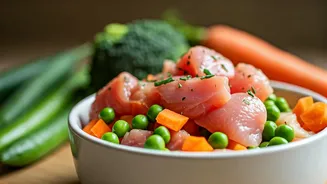
For decades, processed dry food, or kibble, was the convenient default. Now, pet parents are reading labels more critically. They're growing wary of hard-to-pronounce ingredients, fillers like corn and soy, artificial preservatives, and ambiguous terms like 'meat by-product meal'. This desire for transparency has created a demand for food with whole, recognisable ingredients. Natural meat preparations offer just that: a simple list of ingredients like chicken breast, fish, and vegetables, assuring owners they know exactly what their pet is eating.
The Promise of Better Health
Proponents of natural and raw meat diets point to a host of observable health benefits. Owners who make the switch often report seeing shinier coats, healthier skin, and improved energy levels. Because these diets are biologically appropriate—rich in protein and low in carbohydrates—they can be easier for dogs and cats to digest, often resulting in less flatulence and firmer stools. Many also believe these diets contribute to cleaner teeth and better weight management, potentially reducing vet visits for chronic issues down the line.
The Rise of Indian Pet Food Brands
This growing demand hasn't gone unnoticed. A wave of homegrown Indian D2C brands has emerged to cater specifically to this market. Companies like BlepWorld, Pawfectly Made, and Doggie Dabbas are offering fresh, preservative-free, and sometimes even customised meal plans delivered directly to doorsteps. Many of these brands emphasize human-grade ingredients and sustainable sourcing, resonating with a modern consumer base that values quality and local production. Even major players like Drools are entering the fresh food segment, signaling a major market shift.
Making an Informed Switch
While the benefits are appealing, switching your pet's diet requires careful consideration. The most crucial first step is to consult with a veterinarian. They can help determine if a natural meat diet is appropriate for your pet's specific age, breed, and health condition. It's also vital to ensure the diet is nutritionally complete and balanced, as an improperly prepared homemade diet can lead to deficiencies. Many new brands work with vet nutritionists to formulate their recipes, offering a convenient way to ensure that balance. Researching reputable brands and understanding your pet's individual needs are key to a successful transition.